

Overlooking the initial signs of bed bugs in your couch can result in costly problems. Learn how to spot the indicators, why they matter, and when it’s time to call Magic City Pest Control.
Key Takeaways About Couch Bed Bugs
- Bed bugs can settle into couch cushions, seams, and nearby furniture, not just beds, making sofas a common hiding spot that homeowners may overlook.
- Identifying bed bugs early on your couch involves looking for small blood spots, fecal streaks, and discarded skins in fabric folds and crevices.
- DIY foggers generally do not reach bed bugs tucked inside couch fabric and crevices, so professional treatment is typically needed for lasting results.
- Proper preparation before treatment, including laundering loose fabrics in hot wash and dry cycles, helps support a thorough service.
How to Identify Couch Bed Bugs
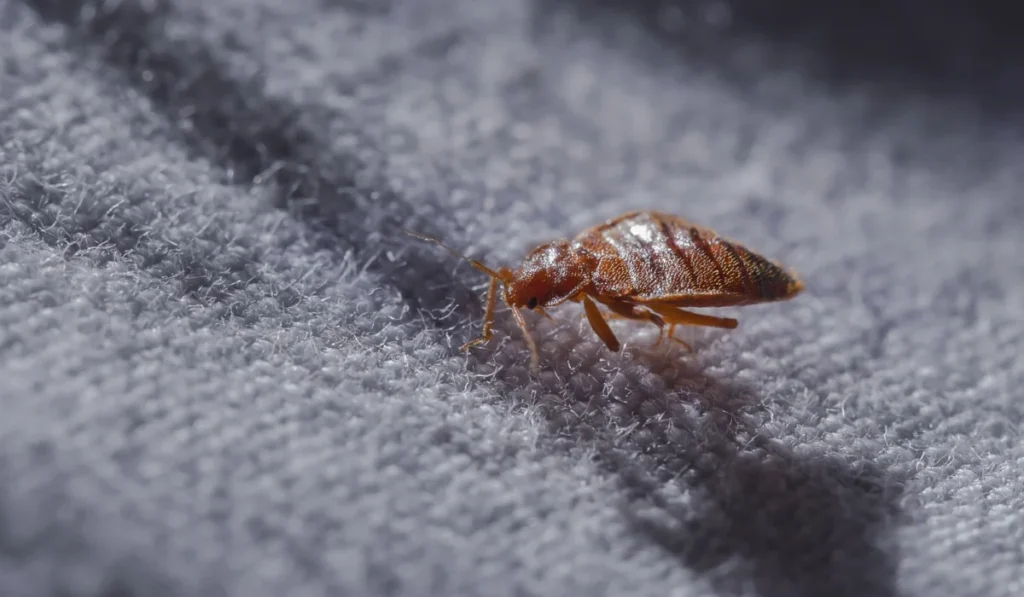
If you have unexplained bites and suspect your couch might be the source, knowing what to look for is the first step. Bed bugs are small, oval-shaped insects that grow to about five to seven millimeters, roughly the size of an apple seed. In their nymph stage, they appear creamy white and darken to a reddish-brown as they mature into adults. Their tiny size, especially as nymphs, can make them difficult to spot with the naked eye.
How to Identify Different Signs of Bed Bugs in Your Couch
The difference between nymph and adult bed bugs matters when you are searching your couch. Nymphs are nearly translucent and easy to overlook against light-colored fabric. Adults are darker, reddish-brown, and more visible. Both stages feed on blood from humans and warm-blooded animals. If you notice pale, tiny insects along with larger brown ones, you may be looking at multiple life stages of the same infestation.
How to Spot Bed Bug Activity Inside Your Couch
Bed bugs gravitate to tight fabric areas like the cracks between cushions and seams of upholstered furniture. When inspecting your couch, use a flashlight and look along seams, under cushion folds, and in any stitched edges. Signs include small red dots of blood on fabric, brown or tan streaks of fecal matter, and discarded skins or egg casings. Before treating delicate fabrics on your own, test a small portion first to make sure any product will not stain the material, as Purdue Extension recommends.
Where Bed Bugs Hide in and Around Your Couch
While your couch may be the primary resting spot where you notice bites, bed bugs can live throughout your home. They tend to hide near wherever you spend the most time sleeping or resting, drawn by your body warmth and the carbon dioxide you exhale. Roughly 80% of bed bugs cluster within three to five feet of where you rest most often. That means side tables, nearby picture frames, electrical outlets, and windows close to your couch are all worth checking.
How Bed Bugs Get Into Your Couch
Bed bugs are not a sign of poor hygiene. They travel into homes on personal belongings, luggage, and secondhand furniture. A used couch brought into your living room can carry bed bugs that go undetected for days. Since not everyone reacts to bed bug bites, and reactions may take anywhere from a few hours to nine days to appear, an infestation can become established before you notice any symptoms at all.
Why Bed Bug Problems Develop in Couch
Your couch may seem like an unlikely place for bed bugs, but these pests gravitate toward anywhere you rest for extended periods. Understanding why they settle into living room furniture can help you spot a problem before it grows.
Where Bed Bugs Nest Before Reaching Your Couch
Bed bugs are indoor pests and do not nest outdoors. However, they can arrive on personal belongings brought into your home from other locations. According to Texas A&M AgriLife Extension, they can be found in high-end hotels as well as budget accommodations. Any item that travels between locations, such as luggage or secondhand furniture, can carry bed bugs into your living space.
Why Bed Bugs Are Attracted to Your Couch
Bed bugs feed on blood and are drawn to the warmth and carbon dioxide you produce while resting. They usually feed at night and hide in dark cracks and crevices during the day. A couch offers plenty of tight seams, cushion folds, and fabric layers where these flat, oval-shaped insects can tuck themselves out of sight between feedings.
Within your home, harborages include cracks and crevices in walls and furniture, behind wallpaper and wood paneling, or under carpeting. Your couch provides many of these same sheltered gaps, making it a comfortable hiding spot close to a regular food source.
How Bed Bugs Spread Through Your Couch
Once established in a bedroom, bed bugs can spread to nearby rooms by traveling through wall voids or hitchhiking on items you carry from room to room. A couch where your family spends hours each evening becomes a natural secondary location for an expanding infestation.
Common Entry Points Bed Bugs Use to Reach Your Couch
Bed bugs are usually only active during the night but will feed during the day when hungry. They travel short distances between their hiding spots and wherever you sit or sleep. On a couch, common hiding points include the seams between cushions, the underside of the frame, and crevices in armrests or legs. Traps placed near furniture legs can intercept bugs moving to or from other furniture.
Sealing as many cracks and crevices as possible throughout your home can reduce the number of places bed bugs use to harbor and travel. Inspecting your couch regularly, especially along seams and in folds, helps you catch activity early.
Risks From Couch Bed Bugs
Health Risks Linked to Couch Bed Bugs
Bite reactions vary widely. Some people develop a sensitivity to bed bug saliva, which can cause lesions that closely resemble mosquito bites. Because not everyone reacts, you may not realize your couch has become a resting spot for these pests until another family member starts noticing bites. If you suspect bites, it is best to seek medical attention to determine the type of bug bite you have.
Property Damage From Bed Bugs in Couch
While bed bugs do not cause structural damage to your home, they can turn a couch from a comfortable gathering spot into a source of ongoing frustration. According to Purdue Extension, once these pests become established, they often move from room to room by crawling through cracks and openings in walls and ceilings. A single infested couch can serve as a launching point for pests to spread into bedrooms, guest rooms, and other living areas.
As Kansas State University Extension notes, infestations begin when pests are introduced on luggage, clothing, and furniture. Bringing discarded mattresses or other used furniture into your home raises the risk of starting an infestation that extends well beyond the original piece.
Bed Bug Activity Near Food Areas in Your Home
A couch near a kitchen or dining area does not attract bed bugs because of food. Instead, the time you spend sitting or napping on that furniture is what draws them. This means every upholstered resting area in your home deserves attention during an inspection.
When to Look Closer at Bed Bug Activity in Couch
Use a bright flashlight to inspect along the seams of upholstered furniture and in nearby cracks and crevices. Look for blood spots, fecal streaks, and shed skins. Activity concentrates near your primary resting spots, so inspect every seam, fold, and crevice of furniture and surrounding areas.
Thorough vacuuming of furniture and surrounding crevices can help remove some bed bugs. Change your vacuum bag after each use and seal it in plastic before throwing it away. Regular inspection is especially important where furniture moves between rooms or between homes, since these pests thrive wherever occupant turnover or furniture swapping is common.
Professional Pest Control for Bed Bugs in Couch
Finding bed bugs in your couch can feel overwhelming, but a structured approach makes all the difference. Prevention, thorough inspection, and professional treatment work together to address infestations in upholstered furniture. Here is what you should know about each step.
How to Reduce Attractants for Bed Bugs in Couch
Reducing hiding spots is one of the most practical steps you can take. Mattress and box spring encasements keep bed bugs from entering those surfaces and make future inspections easier, according to Purdue Extension.
Remove all loose items and clothing from areas near your couch and sleeping spaces. Launder sheets, blankets, and removable cushion covers in a hot wash cycle and hot dry cycle to address any active bed bugs, larvae, or eggs. Keep laundered items in airtight bags until treatment is completed.
Do not move furniture out of a room before treatment unless it is first wrapped tightly in plastic sheeting. Bed bugs can fall off items while being moved and spread to different areas of your home.
Why Bed Bug Control in Couch Starts With Inspection
A single bug does not constitute an infestation. You should only treat confirmed infestations with breeding bugs, as the EPA notes. That is why inspection comes first. Use a flashlight to search along seams, folds, and crevices of your couch.
Look for the bugs themselves along with the visual signs outlined earlier in this article. In multi-family buildings, all rooms and common areas need to be inspected and, if bed bugs are found, treated.
What to Expect During Professional Bed Bug Treatment in Couch
Pest management professionals are trained to apply treatments that involve heat, vacuuming, and other methods. According to the University of Minnesota Extension, pest control services use heat treatment at 118°F maintained for at least 70 minutes in target areas. Steam equipment can be used to kill bed bugs, and vacuum machines can physically remove them from heavily infested areas.
At Magic City Pest Control, the technician starts at the farthest point in the room and works back toward the exit, treating with heat and then repeating with an aerosol. All molding, cracks, crevices, bed frames, headboards, box springs, and side tables are treated. Couches and other upholstered furniture where you rest receive the same careful attention.
All occupants and pets must leave the structure for a minimum of three hours. Treated areas that can be closed should remain closed and unoccupied during that time.
What to Expect From a Couch Bed Bug Control Plan
Magic City Pest Control uses a combination of liquids, sprays, and dusts to treat bed bug infestations. Every initial service includes a complimentary two-week follow-up to apply an insect growth regulator and stop the life stage cycle. Follow-up visits occur every seven days with dust applications until the infestation is resolved.
Treatment pricing starts at $500 per bedroom with a minimum of $750. A whole-home treatment comes with a 90-day guarantee, while a single-room treatment carries a 30-day guarantee.
The process begins with a phone call or consultation. Magic City’s trained team can often identify bed bugs via photos or a description of symptoms before booking a formal appointment. A prep sheet is provided so you know exactly what to do before the technician arrives.
Bottom Line on Bed Bugs in Couch
Bed bugs gravitate toward couches and upholstered furniture because these pieces offer fabric seams and cushion folds where the insects can settle close to a resting host. Early inspection with a bright flashlight, prompt laundering of removable fabric covers in hot wash and dry cycles, and avoiding secondhand furniture without thorough checks are your strongest first steps. Because bed bugs can spread from room to room through cracks and crevices, a couch infestation rarely stays contained on its own.
Magic City Pest Control starts every case with a consultation to confirm the pest, provides a detailed prep sheet, and follows up with treatments on a weekly schedule until the problem is resolved. If you suspect bed bugs in your couch or bedroom, contact Magic City Pest Control to schedule a consultation.
Frequently Asked Questions About Bed Bugs in Couch
How Do I Check My Couch for Bed Bugs?
Use a bright flashlight to look along the seams, piping, and folds of each cushion. Check the underside of the couch and any crevices in the frame. A couch you relax on regularly can be a prime spot because most bed bugs concentrate close to where you rest.
Can Bed Bugs Spread From a Couch to the Rest of My Home?
Yes. Bed bugs can crawl from furniture through cracks and crevices to reach other rooms. If you need to move an infested couch, wrap it tightly in plastic sheeting first so bugs do not fall off and spread during transit.
Should I Throw Away a Couch With Bed Bugs?
Not necessarily. Professional treatment can address bed bugs in upholstered furniture. If you do decide to discard the piece, wrap it in plastic before moving it to prevent spreading the infestation. Do not bring discarded furniture into your home without a thorough inspection.