

If you spend time in your basement and notice spider webs in corners or along storage boxes, you’re not alone. Many Birmingham homeowners see different types of spiders in basements, crawl spaces, garages, and other quiet areas of the home, and some homeowners seek spider control in Birmingham, AL, when spider activity increases.
Basements create an ideal environment for arachnids. These areas often stay dark, cool, and undisturbed for long periods. In Alabama homes, that combination attracts several spider species that hunt insects or build webs where food sources are easy to catch.
Seeing a few spiders downstairs does not always mean there is a serious spider problem. However, frequent spider activity can indicate other pest problems inside the home. Spiders usually appear where insects already exist, so their presence can reveal hidden pest activity in basements or storage areas.
Knowing the common basement spiders in Birmingham helps homeowners distinguish normal spider activity from the early signs of a spider infestation.
Key Takeaways
- Basements in Birmingham homes attract several spider species because they provide dark, undisturbed areas and steady food sources.
- The most common basement spiders in Alabama include cellar spiders, common house spiders, jumping spiders, wolf spiders, and orb weavers.
- Increased spider activity often signals other pest problems since spiders follow insects that serve as food sources.
- Sealing entry points, reducing clutter, and scheduling professional spider control services can help reduce spider activity in your basement.
What You’re Seeing in Basement Corners
Basements across the Birmingham area tend to attract spiders that prefer low-traffic spaces. These areas provide hiding spots, year-round steady temperatures, and easy access to insects that wander indoors.
Cellar Spiders
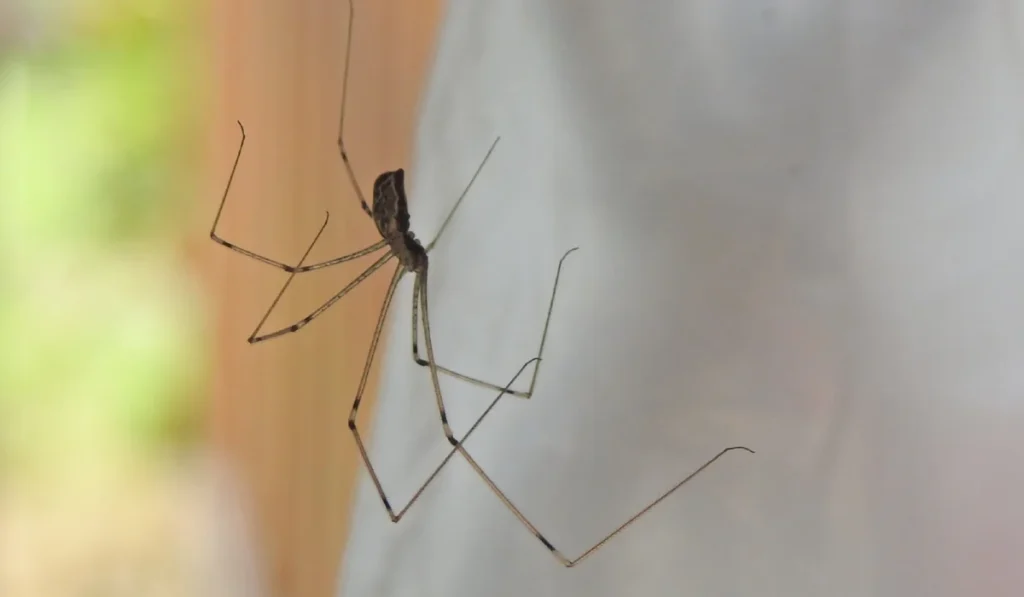
The cellar spider is one of the most common spiders found in basements across Birmingham homes. You will often notice them hanging upside down in loose spider webs near basement ceilings or tucked into quiet corners.
These spiders have very long legs and small bodies, which is why many people call them “daddy long-legs.” Their webs appear messier than those of other spider species.
Cellar spiders prefer undisturbed areas such as crawl spaces, storage areas, and basement rafters. While their webs can build up quickly, they rarely create serious pest problems for homeowners.
Common House Spiders
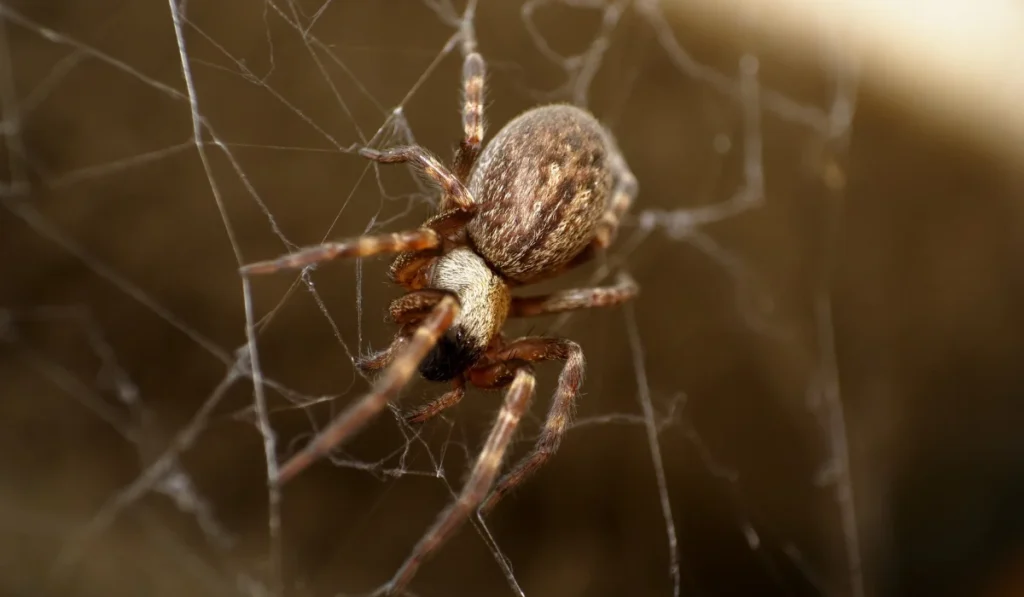
The common house spider frequently appears in basements, garages, and utility rooms throughout Alabama homes. These spiders build webs in corners where insects commonly travel.
They are small brown spiders with rounded bodies. Their spider webs often appear near window frames, foundation walls, and basement lights where insects gather.
House spiders usually stay hidden during the day and become active at night. When multiple webs appear in the same area, it may indicate a steady supply of insects indoors.
Jumping Spiders

Jumping spiders behave very differently from other basement spiders. Instead of building webs, they actively hunt insects and leap short distances to catch their prey.
In Birmingham homes, jumping spiders often appear near basement windows, doors, or walls where insects enter. Their compact bodies and quick movements make them easy to recognize.
These arachnids are generally harmless and even help reduce pest populations. However, frequent sightings can suggest insects are present inside the home.
Wolf Spiders
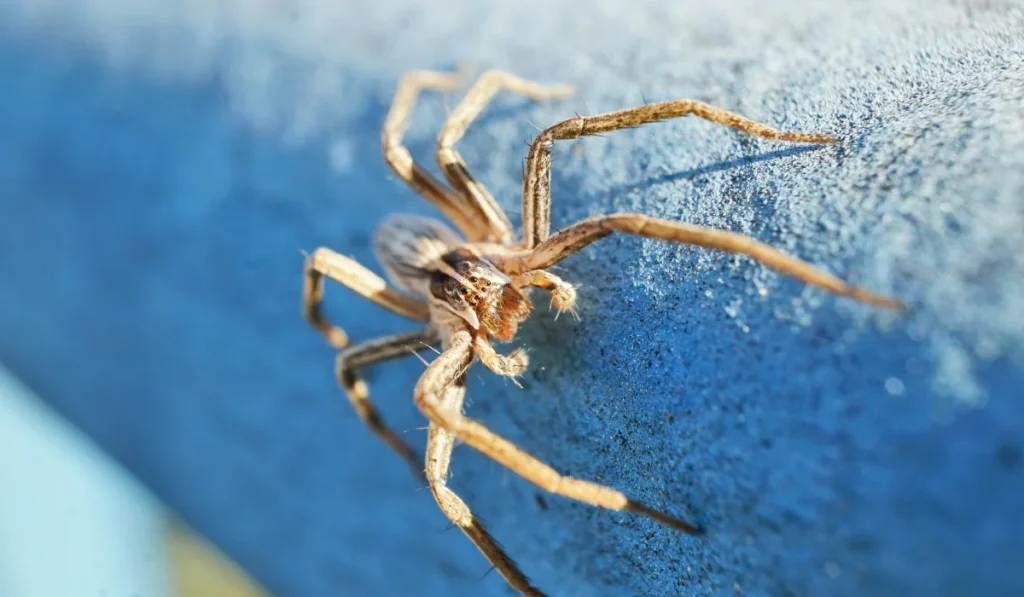
Wolf spiders are another species of spiders often found in Alabama basements. Unlike web-building spiders, wolf spiders hunt insects along the floor or walls.
They are larger than many house spiders and have thick bodies with visible markings. Because they move quickly, they sometimes startle homeowners.
Wolf spiders may enter through crawl spaces, garages, or foundation gaps. They commonly follow insects inside from nearby woodpiles or outdoor hiding spots.
Orb Weavers
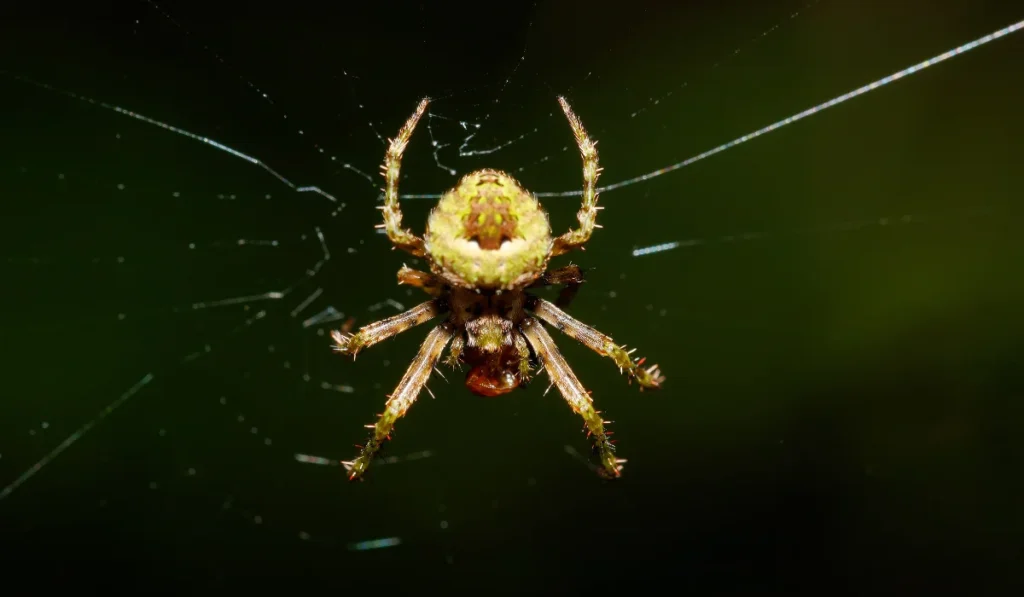
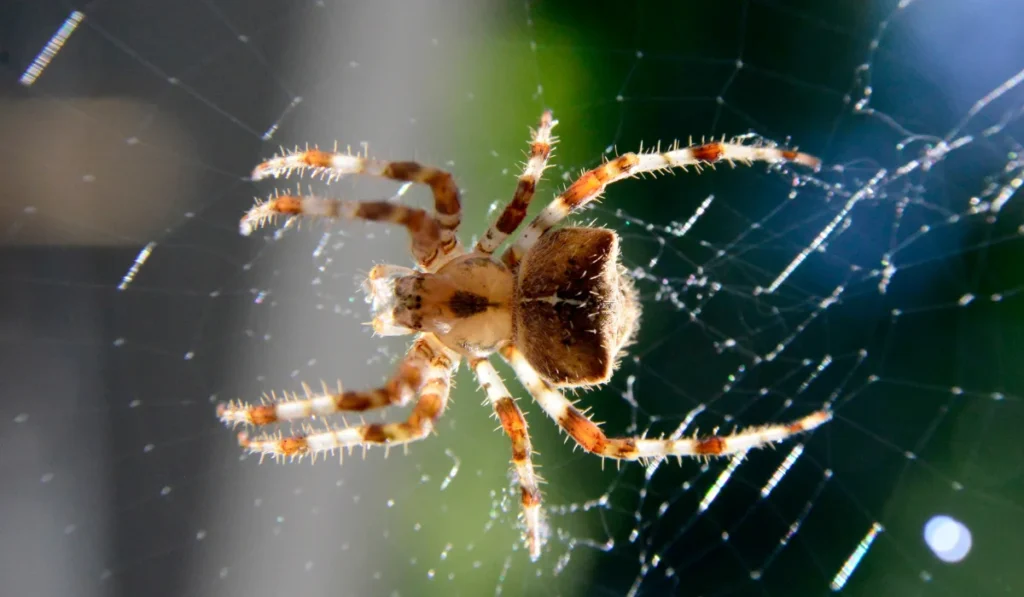
Orb weaver spiders occasionally appear in basement entry areas, especially if windows or doors connect to the outside. These spiders create circular webs designed to trap flying insects.
Orb weavers usually stay outdoors, but they sometimes move into garages or basement doorways where insects gather near lights.
Their large webs often appear more organized and symmetrical than those of other spiders. Although their size may seem intimidating, they rarely interact with people.
Quick Clues to Identify Them
When you notice spiders in your basement, a few visual clues can help identify which types of spiders you may be seeing.
Long Legs and Loose Webs
Spiders with extremely long legs sitting in tangled webs are usually cellar spiders. Their webs often appear messy and spread across basement corners or ceiling edges.
Because cellar spiders remain in the same area for long periods, their webs may grow larger if left undisturbed.
Compact Bodies and Quick Movement
Jumping spiders stand out because of their short legs and sudden movements. Instead of webs, they rely on their eyesight to hunt insects.
You may see them moving along basement walls or windows where insects are active.
Large Ground-Hunting Spiders
If you notice a larger spider running across the basement floor without a web nearby, it may be a wolf spider. These spiders hunt insects directly rather than trapping them.
Wolf spiders often hide under boxes, along foundation edges, or inside small crevices during the day.
Red Hourglass Marking
Black widow spiders are one of the venomous spiders occasionally found in Alabama basements. Female black widow spiders have a distinct red hourglass marking on the underside of their abdomen.
Black widow spiders prefer quiet storage areas, garages, and woodpiles where they can remain undisturbed. While spider bites are uncommon, bites from black widow spiders can cause symptoms that may require medical attention.
Violin-Shaped Marking
Brown recluse spiders are another venomous spider species found in parts of Alabama. They are known for the violin-shaped marking on their back.
The scientific name for brown recluse spiders is Loxosceles reclusa. These spiders prefer dark hiding spots such as storage boxes, closets, and basement crevices.
Bites from brown recluse spiders are uncommon but may require medical attention in some cases.
What It Means When They’re Downstairs
Finding spiders in the basement often points to conditions inside the home that attract them.
Hidden Food Sources
Spiders stay where insects are available. If spiders appear regularly, it usually means there are food sources nearby, such as flies, ants, or beetles.
Reducing those insects usually lowers spider activity as well.
Undisturbed Areas
Basements often contain undisturbed areas filled with storage items, furniture, or boxes. These spaces allow spiders to build webs or hide without interruption. Cluttered storage areas create ideal hiding spots for many spider species.
Moisture and Basement Conditions
Crawl spaces and basements often hold more moisture than other parts of the home. These conditions attract insects, which in turn attract spiders. Reducing humidity and improving airflow can make the environment less attractive to pests.
Early Signs of a Spider Infestation
Seeing a single spider does not mean you have a spider infestation. However, large numbers of spider webs or frequent sightings may suggest an infestation or another pest issue. In these cases, professional pest management can help identify the underlying pest issues attracting spiders.
What to Do to Cut Spider Activity
Reducing spider activity often involves addressing the conditions that attract them in the first place.
Seal Cracks and Entry Points
Spiders often enter through small gaps around windows, doors, and foundation lines. Sealing cracks and closing entry points can prevent spiders from entering basements or crawl spaces. This step also helps stop other pests that spiders rely on as food sources.
Reduce Clutter in Storage Areas
Basements filled with boxes, furniture, and stored items create hiding spots for spiders. Keeping storage areas organized reduces the number of undisturbed areas where spiders can build webs.
Simple cleaning routines also remove egg sacs and spider webs before they grow.
Manage Outdoor Conditions
Woodpiles, debris, and dense vegetation near the home can attract spiders. Keeping these materials away from the foundation reduces the chances of spiders entering garages or basements.
Outdoor lighting that attracts insects can also increase spider activity around basement windows.
Schedule Professional Spider Control
When spider activity becomes frequent, professional spider control services can identify the root of the problem.
A pest control company usually starts with an inspection, followed by targeted treatments and recommendations to reduce conditions that attract pests. This approach helps prevent a spider infestation before it spreads.
Schedule a Pest Inspection for Your Birmingham Home
Seeing spiders in your basement does not always mean something is wrong. However, frequent spider webs or sightings may indicate other pest problems inside the home.
A professional pest inspection can identify spider activity, locate hiding spots, and show what conditions attract spiders to your basement.
If you want to reduce spider activity and keep your home spider-free year-round, our team at Magic City Pest Control can help. Our experienced technicians provide residential pest control, commercial pest control, and targeted spider control services throughout the Birmingham area and Huntsville.
Contact us today to schedule a pest inspection and discuss treatment options for your home. Professional pest control can help identify pest activity and provide treatment options that reduce spider problems in Birmingham homes.
FAQs
What types of spiders are common in Birmingham basements?
Basements in the Birmingham area commonly contain cellar spiders, common house spiders, jumping spiders, wolf spiders, and occasionally orb weavers. In rare cases, venomous spiders such as black widow spiders or brown recluse spiders may appear in quiet storage areas.
Are basement spiders dangerous to homeowners?
Most basement spiders in Alabama are harmless and help control other insects. However, venomous spiders such as black widow spiders and brown recluse spiders can cause spider bites that may require medical attention in certain situations.
How do you prevent spiders in Birmingham homes?
Spider prevention includes sealing entry points, removing clutter from storage areas, reducing moisture in crawl spaces, and addressing insect food sources. Professional spider control services can help reduce spider activity and address the conditions that attract spiders.