

Hearing rat noises in your walls can be unsettling. Many homeowners in Huntsville notice scratching sounds, scurrying, or even squeaking late at night or early morning.
These sounds often come from rats moving through wall voids. Once inside, they move between rooms, search for food, and build nests in hidden areas. What may seem like a small issue can turn into a larger rodent problem if ignored.
Understanding what rat sounds mean can help you act early. This guide explains what these noises signal, why rats move through walls, and when to call pest control.
Key Takeaways
- Rat noises like scratching sounds, scurrying, and squeaking often mean rats are active in the walls.
- Gnawing sounds can lead to property damage and even a fire hazard.
- Droppings, grease marks, and repeated noise are common signs of rats.
- Rats use wall voids to travel, find food sources, and build nests.
- Professional pest control and wildlife removal help solve rodent problems and prevent future issues.
What Rat Noises in Walls Usually Mean
Different rat sounds can point to different levels of activity inside your home.
Active Movement Inside Walls
Scratching noises, scurrying, and rustling are common signs of rats moving through wall voids. These sounds often happen at night when rats are most active.
You may hear movement near baseboards, ceilings, or behind drywall as they travel through your home.
Nesting and Breeding Activity
If you hear squeaking or soft chirps, it may mean rats are building nests or raising young. Rats build nests in quiet, hidden areas where they feel safe.
This is a strong sign of a growing rat infestation that needs attention.
Gnawing and Chewing Sounds
Gnawing sounds often mean rats are chewing through materials. They may chew on wood, drywall, or even electrical wiring.
This can lead to property damage and increase the risk of a fire hazard inside your home.
Larger Animal Confusion
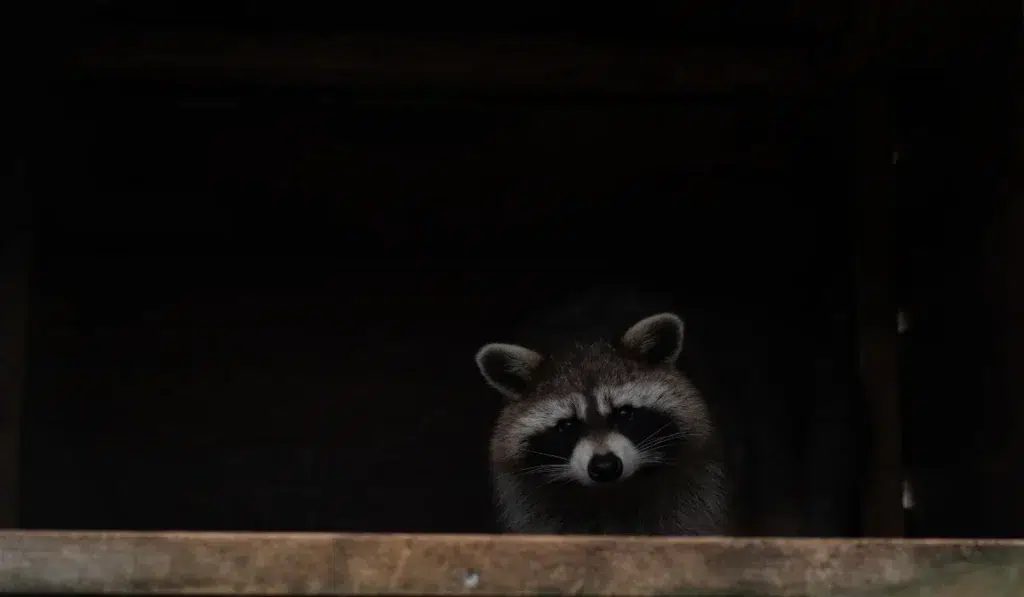
Some noises may sound heavier, like thumping. While rats can make noise, louder sounds may point to a larger animal like a raccoon or other wildlife.
This is where proper wildlife removal may be needed to confirm the source.
Why Rats Move Through Wall Voids
Rats do not stay in one place. They move through walls for several reasons.
Searching for Food Sources
Rats travel through wall voids to find food sources. Kitchens, pantries, and areas with pet food attract them.
Once they find food, they return often, which increases activity and noise.
Using Walls as Safe Pathways
Wall voids give rats a safe place to move without being seen. These hidden paths allow them to travel between rooms.
This makes it harder for homeowners to spot the problem early.
Entering Through Small Entry Points
Rats can squeeze through small entry points around the home. Gaps near pipes, vents, or the roofline are common.
Once inside, they use walls to move freely and expand the infestation.
Looking for Warm Nesting Areas
Rats prefer warm, quiet areas to build nests. Walls, basements, and hidden spaces provide ideal conditions.
These areas protect them from outside threats and allow them to multiply.
When Wall Noises Suggest a Larger Infestation
Some warning signs show that the problem is more serious.
Frequent Noises Every Night
If you hear rat sounds every night, it likely indicates an active rodent infestation.
Consistent noise is one of the most common signs that rats have settled inside your home.
Visible Droppings and Grease Marks
Droppings near baseboards or along walls are clear signs of rats. You may also see grease marks where rats travel often.
These are strong signs of rats and should not be ignored.
Damage Around the Home
Gnaw marks on wood, wires, or drywall show that rats are active. This type of damage can lead to safety issues.
Chewing on electrical wiring can create a fire hazard and requires quick action.
Health Risks and Odors
Rats can carry bacteria and create health risks. Their droppings and nesting areas can affect air quality and living conditions.
These pest problems can grow worse over time if not treated.
Rat Inspection for Huntsville Wall Voids
A professional inspection is the best way to confirm a rat infestation. A pest control company will check wall voids, basements, and other hidden areas for activity.
This includes looking for entry points, droppings, gnaw marks, and nesting areas. Pest control experts can also determine if the noise is from rats or other wildlife.
Magic City Pest Control provides pest control and wildlife removal services in Huntsville. Their team can identify the source of rat noises, remove pests, and apply rodent control methods to prevent future problems.
Professional pest control focuses on long-term pest management. This helps protect your home from property damage and recurring infestations.
Schedule Rat Inspection in Huntsville
Rat noises in your walls are often a sign of a growing rodent problem that needs quick attention. DIY methods may reduce activity for a short time, but they often do not remove the source or seal entry points.
Magic City Pest Control offers pest control and wildlife removal services in Huntsville. Our team can inspect wall voids, locate entry points, and apply effective rodent control solutions. Contact us today for a free quote and take the first step toward a safer, pest-free home.
FAQs
What do rat noises in the walls sound like?
Rat noises often include scratching, scurrying, squeaking, and gnawing. These usually happen at night or early morning.
How do I know if I have a rat infestation?
Common signs of rats include droppings, grease marks, gnaw marks, and repeated noises in walls. These signs often point to an active infestation.
Should I call pest control for rats in the walls?
Yes, professional pest control can identify the source, remove the rats, and prevent future infestations more effectively than DIY methods.