


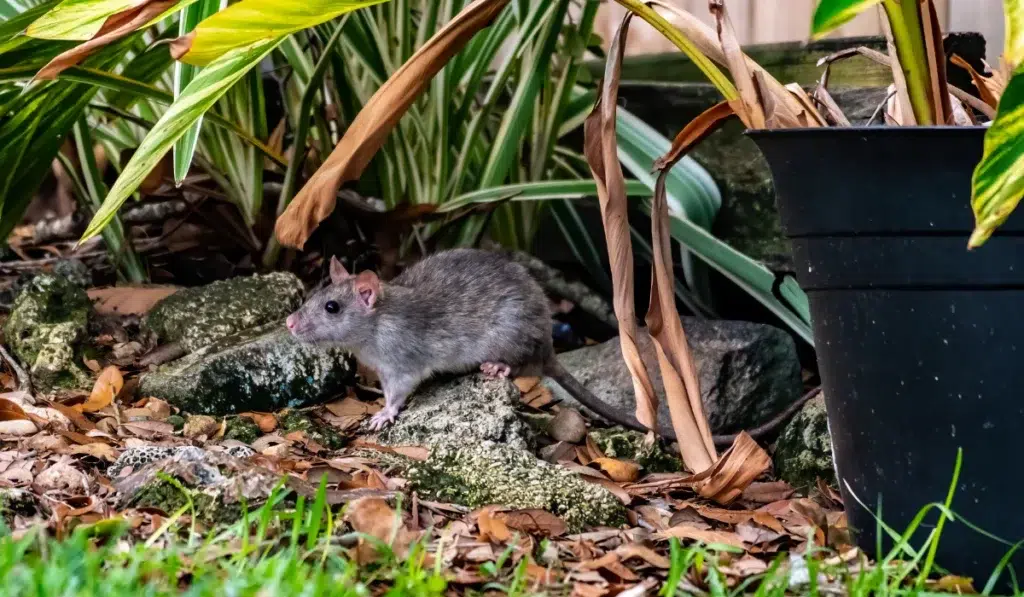
Seeing a rat cross your yard after dark can be unsettling, but a live sighting is not the only clue that deserves attention. Rats often stay hidden while leaving signs along the routes they use between shelter, food, and water.
For Madison homeowners, the most useful response starts with observation. Look for fresh droppings, gnaw marks, burrow openings, worn paths, greasy rub marks, nesting material, and activity near food or shelter. One clue may not confirm an active infestation, but several signs in the same area make a closer inspection worthwhile.
This guide explains how to recognize rat activity around your yard, which areas to inspect, how roof-rat and Norway-rat patterns can differ, and when professional support may be the right next step.
Key Takeaways
- Fresh droppings, gnaw marks, active burrows, runways, rub marks, and live sightings are among the most useful signs of rodent activity.
- Norway rats are more closely associated with ground-level burrows, foundations, and debris. Roof rats are agile climbers and may use trees, vines, fences, rooflines, or elevated spaces.
- A single hole in the soil does not automatically confirm a rat burrow. Look for fresh soil, smooth edges, tracks, droppings, or repeated nighttime activity nearby.
- Accessible trash, pet food, birdseed, fallen fruit, clutter, leaf piles, deep mulch, and standing water can make a yard more attractive to rodents.
- Check exterior gaps around the foundation, doors, vents, pipes, utility lines, soffits, and rooflines.
- Do not sweep or vacuum dry droppings. Follow CDC cleanup guidance to avoid disturbing contaminated material.
- Do not place rodent poison where children, pets, or wildlife can reach it. Ask a professional for a treatment plan when activity continues.
- Request an inspection when several signs appear, indoor activity develops, or the source remains difficult to locate.
How to Tell Whether Rats Are Active in Your Yard
Rats can remain difficult to spot because they are often more active after dark. The CDC neighborhood rat-management study used six inspection signs to evaluate activity: fresh tracks, fresh droppings, active burrows, runways and rub marks, fresh gnawing marks, and live rats.
For homeowners, the most useful approach is to look for a pattern. Several clues clustered near the same wall, fence line, shed, trash area, or foundation edge provide stronger evidence than one isolated mark.
Fresh droppings
Droppings may appear near trash-storage areas, sheds, garages, outdoor kitchens, pet-food storage, or sheltered edges around the home. The CDC guide to rodent infestations notes that droppings can be found wherever rodents have gained access and that new droppings after safe cleanup point to active rodent presence.
Do not handle droppings with bare hands. Do not sweep or vacuum them while dry.
Gnaw marks
Rats gnaw on materials as they move through a property and look for access. Check trash-can lids, food-storage containers, shed doors, wood, plastic bins, and gaps around structures for fresh damage.
CDC notes that gnaw marks can indicate rodent activity, although a mark by itself may reflect earlier rather than current use. Look for nearby droppings, rub marks, or recurring activity.
Burrow openings
Possible rat burrows may appear along foundations, beneath sheds, near stacked materials, beside fences, or where hard surfaces meet soil.
An active-looking opening may have smooth edges, fresh soil, or a worn route leading away from it. Do not place your hand inside the hole or disturb the surrounding area.
Runways and worn paths
Rats often reuse the same protected routes. A narrow trail through grass, mulch, or vegetation can connect shelter with trash bins, food sources, or exterior openings.
Pay attention to paths along walls, fences, sheds, and landscaping borders.
Greasy rub marks
Rats may leave dark marks where their bodies repeatedly contact a wall, fence, pipe, or other surface. These rub marks can help you identify a travel route.
Inspect narrow passages and exterior edges where rodents are more likely to stay close to cover.
Nesting material
The EPA rodent-prevention guide lists shredded paper, fabric, and dried plant matter among the signs of rodent nesting.
In a yard, nesting material may appear near a shed, garage, stacked items, or another sheltered area. Avoid handling it directly.
Live sightings and noises
A rat moving along a fence, beneath a shed, or across a yard at dusk deserves attention. Indoor scratching or scurrying noises can also point to activity closer to the structure.
A daytime sighting may justify a faster inspection, especially when other signs appear nearby.
Norway Rats vs. Roof Rats: Which Signs Should You Look For?
Different rat species use yards and structures differently. Identification can help you inspect the right areas without assuming that every sign comes from the same rodent.
Norway rats are more closely associated with burrows
The Texas A&M rodent IPM guide describes Norway rats as burrowers that may nest along foundations and beneath debris. They are more closely associated with ground-level activity.
Check the soil beside exterior walls, fences, sheds, patios, and stacked materials. Look for openings, fresh soil, worn paths, droppings, or rub marks near the ground.
Roof rats are agile climbers
Roof rats may use trees, vines, fences, utility lines, rooflines, and elevated shelter. A yard inspection should include the upper parts of the property as well as the soil.
Check whether branches touch the roof, vines cover exterior walls, or gaps remain near soffits, vents, and attic lines. These conditions do not confirm rats, but they can create access routes worth addressing.
Dropping shape can help, but it is not the only clue
Droppings can vary by species and size. Avoid trying to identify the rodent from one pellet alone.
Use the location of the signs, the travel route, burrows, climbing access, and professional identification when needed.
Where to Look for Rat Signs in a Madison Yard
A systematic inspection helps you cover the areas that rats are most likely to use.
Along the foundation
Walk around the exterior of your home and look for burrow openings, rub marks, droppings, gnawing, and gaps where the foundation meets the ground.
Pay closer attention near utility lines, vents, crawl-space openings, and low-traffic corners.
Near trash cans and outdoor food areas
Check around garbage bins, grills, outdoor kitchens, compost areas, and recycling containers. Spilled food and damaged lids can give rats a steady food source.
Use trash cans with tight-fitting lids and clean residue promptly.
Around sheds and storage areas
Sheds, stacked materials, cardboard, and outdoor storage can create protected hiding places. Look behind and beneath stored items for droppings, gnaw marks, nesting material, and openings in the soil.
Keep storage organized and off the floor where practical so new signs remain easier to notice.
Near bird feeders, pet food, and fallen fruit
Birdseed, outdoor pet food, and fallen fruit can attract rodents. Check the ground beneath feeders and around feeding areas for scattered food, droppings, or worn paths.
CDC recommends keeping outdoor areas clean and food sources away from the home. EPA also recommends reducing food and water sources while controlling a rodent problem.
Along fences, vines, and tree branches
Inspect fence lines, dense shrubs, vines, and tree branches near the structure. These areas can conceal travel routes or give climbing rats easier access to the home.
Trim vegetation so it does not touch the roof or exterior walls.
Near patios, walkways, and concrete edges
Norway rats may burrow where hard surfaces meet soil. Check slab edges, patios, driveways, and walkways for openings or fresh soil.
Inside garages and outbuildings
Rodent activity in the yard can move closer to the structure. Inspect garages, sheds, and outbuildings for droppings, gnaw marks, nesting material, food disturbances, and gaps around doors or utility lines.
What Attracts Rats to Residential Yards?
Rats stay closer to properties that provide food, water, shelter, and reliable travel routes. Removing these resources can make your yard less favorable and improve the results of a professional control plan.
Accessible trash
Use outdoor garbage containers with tight-fitting lids. Clean spills and residue around the bin area and remove loose trash promptly.
Pet food and birdseed
Do not leave pet food outdoors overnight. Store pet supplies and birdseed in sturdy containers with secure lids.
Fallen fruit and garden produce
Collect fallen fruit and damaged produce from the ground. Check beneath trees and around garden beds regularly.
Leaf piles, deep mulch, and clutter
EPA recommends removing potential nesting sites such as leaf piles and deep mulch. Clear unnecessary clutter, stacked debris, and unused materials near the home.
Water sources
Check for leaky outdoor faucets, standing water, pet bowls, irrigation issues, and poor drainage. Fix recurring moisture where practical.
Structural gaps
The CDC guide to sealing up rodent entry points recommends inspecting inside and outside the home for holes and gaps. Check doors, windows, vents, pipes, utility lines, roof edges, eaves, and the space between the foundation and the ground.
Do Rat Signs in a Yard Create Health or Property Concerns?
Rat activity deserves attention because rodents can contaminate food, damage materials, and move closer to living areas. However, the presence of one yard sign does not mean every possible risk has already developed.
Contamination concerns
Rodents may leave droppings, urine, and nesting material near storage areas, garages, sheds, and other spaces. CDC notes that some diseases can spread through direct or indirect contact with rodents or contaminated material.
Avoid unnecessary contact and follow safe cleanup guidance.
Property concerns
Gnawing can affect containers, stored items, and access points around structures. Burrows can also disturb landscaping and soil near hard surfaces.
Inspect signs early so the issue does not move closer to walls, attics, garages, or crawl spaces.
Indoor movement
Rats can use exterior gaps to move into garages, attics, sheds, crawl spaces, and wall voids. Yard activity becomes more urgent when you also notice indoor noises, droppings, or gnaw marks.
How to Inspect Your Yard Safely
Begin with a visual walkaround during daylight. Document what you see and avoid reaching into burrows or concealed spaces.
Take notes and photos
Record the location of burrows, droppings, gnaw marks, rub marks, runways, and food sources. Clear photos can help a professional assess the pattern.
Keep children and pets away from active areas
Use a temporary barrier or choose another route when droppings, burrows, or repeated rodent activity appear near a play area, patio, or walkway.
Do not sweep or vacuum dry droppings
The CDC cleanup guide recommends wearing rubber or plastic gloves and wetting droppings with disinfectant before removing them. Do not sweep or vacuum dry rodent waste because this can disturb contaminated material.
Do not disturb burrows
Avoid reaching into holes, digging into suspected burrows, or placing your hands near concealed areas. Mark the location and request help when activity appears established.
What Not to Do When You Find Rat Signs
Do not rely on one sign alone
A hole in the ground may come from another animal. A single gnaw mark may reflect older activity. Look for a pattern before drawing conclusions.
Do not leave food accessible
Secure trash, pet food, birdseed, and stored supplies. Clean spills and remove fallen fruit.
Do not use poison where children, pets, or wildlife can reach it
Rodent-control products can create serious risks when used incorrectly. Ask a professional for a plan that protects your household and follows label requirements.
Do not seal an opening without considering indoor activity
Sealing gaps supports prevention, but timing matters when rodents may already be inside a wall, attic, garage, or crawl space. A professional can help determine the right sequence.
Do not handle nests or dead rodents with bare hands
Follow CDC cleanup guidance and request professional assistance when the area is difficult to access or contamination is extensive.
When to Request Professional Rodent Control
A single possible sign may justify closer monitoring. Professional support becomes more useful when several signs appear, activity continues, or the source remains difficult to locate.
Consider requesting an inspection when:
- You find fresh droppings, gnaw marks, runways, rub marks, or burrows in several areas.
- New droppings appear after safe cleanup.
- Burrow openings sit close to the foundation, patio, shed, or garage.
- You notice rats moving along fences, vines, branches, or rooflines.
- Indoor scratching, droppings, or gnaw marks appear alongside yard activity.
- Trash, pet-food storage, birdseed, or outdoor cooking areas show repeated disturbance.
- You suspect a roof-rat route toward the attic or a Norway-rat burrow near the structure.
- You want help selecting a household-conscious control plan.
Magic City Pest Control provides rodent-control services in Madison, AL. Its local service page describes an approach built around interior and exterior inspection, exclusion, sanitation, prevention, targeted trapping, outdoor tamper-resistant bait stations, monitoring, and follow-up.
What a professional inspection should cover
A professional inspection should evaluate the yard, foundation edges, burrows, runways, droppings, gnaw marks, vegetation, trash areas, sheds, garages, attic lines, utility penetrations, and possible food or water sources.
The goal is to identify the likely rodent, determine whether activity remains outdoors, and locate the routes that may lead toward the home.
What a rodent-control plan may include
The right plan depends on what the inspection reveals. Recommendations may include sanitation changes, exclusion work, monitoring, targeted trapping, professionally installed tamper-resistant outdoor bait stations, and follow-up visits.
Long-term improvement depends on reducing the food, water, shelter, and access points that allow rats to remain active around the property.
Look for Patterns, Not One Isolated Clue
Rat activity in a Madison yard often becomes visible through the evidence rodents leave behind: droppings, gnaw marks, burrows, worn runways, rub marks, nesting material, and repeated nighttime movement.
Start with a visual inspection. Check the foundation, sheds, trash areas, bird feeders, pet-food storage, fences, vines, branches, and concrete edges. Reduce food and shelter sources, keep exterior gaps visible, and follow CDC guidance for safe cleanup.
If rat signs continue or activity moves closer to the home, request a free quote from Magic City Pest Control to discuss rodent activity around your Madison property.
Frequently Asked Questions
What are the clearest signs of rats in a yard?
Look for fresh droppings, gnaw marks, active burrows, worn paths, greasy rub marks, nesting material, and live sightings. Several clues in the same area provide stronger evidence than one isolated sign.
What does a rat burrow look like?
A possible rat burrow may appear as an opening in soil near a foundation, shed, fence, or concrete edge. Fresh soil, smooth edges, nearby tracks, and repeated activity can make the opening more suspicious.
Where should I look for roof-rat activity?
Check trees, vines, fences, rooflines, soffits, attic lines, and utility routes. Roof rats are agile climbers and may use elevated paths toward a structure.
Where should I look for Norway-rat activity?
Check ground-level areas near foundations, debris, sheds, fences, patios, and concrete edges. Norway rats are more closely associated with burrows and low-level travel routes.
Should I sweep up rat droppings?
Do not sweep or vacuum dry droppings. Follow CDC cleanup guidance: wear gloves, wet contaminated material with disinfectant, and remove it carefully.
How can I make my yard less attractive to rats?
Secure trash, store pet food and birdseed in sturdy containers, collect fallen fruit, remove leaf piles and deep mulch, reduce clutter, fix leaks, and inspect exterior gaps.
Should I seal an exterior hole immediately?
Sealing gaps supports prevention, but ask for guidance when rats may already be inside a wall, attic, garage, or crawl space. Closing the wrong route at the wrong time can complicate the problem.
When should I call a pest-control professional?
Request an inspection when several signs appear, new droppings return after safe cleanup, burrows sit close to the home, indoor activity develops, or the source remains unclear.


