


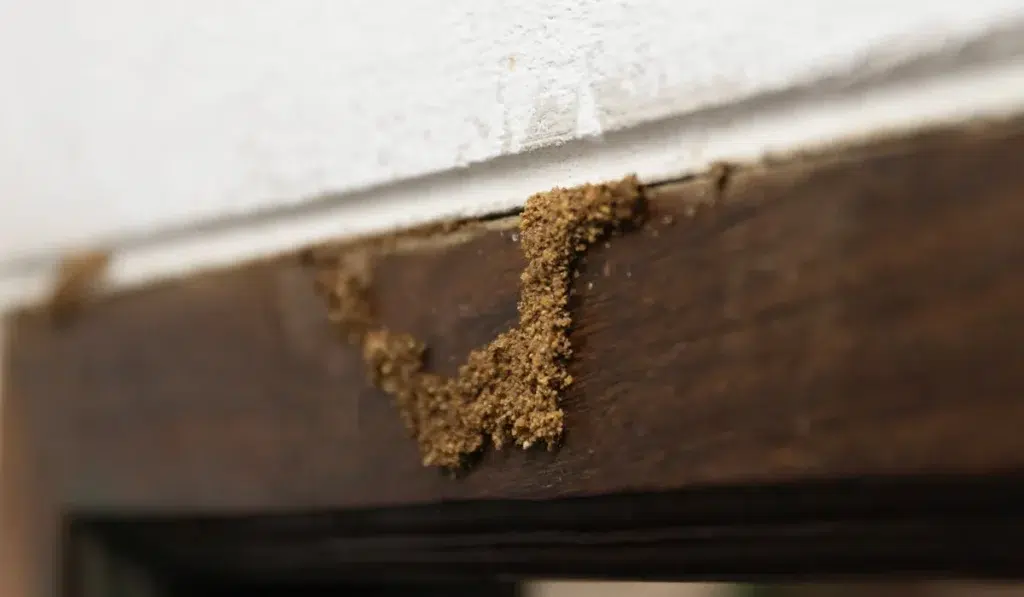
Summer in Birmingham is termite season whether you’re ready for it or not. By June, the heat and humidity have created exactly the conditions subterranean termites thrive in — and if you’ve seen what looks like flying ants around your windows or found soft spots in your wood trim, it’s worth taking seriously. Here’s what termite activity actually looks like in Alabama homes this time of year, and how to tell if you have a problem before it turns into a repair bill.
Key Takeaways
- Termite swarmers in Birmingham typically appear in late spring through summer — spotting them indoors is a red flag
- Mud tubes on your foundation or crawl space walls are the clearest sign of subterranean termite activity
- Alabama’s heat and humidity accelerate termite damage, so early detection genuinely matters
- A professional inspection is the only reliable way to confirm an active infestation
Why Birmingham Summers Create the Perfect Storm for Termite Activity
Alabama’s climate isn’t a coincidence when it comes to termite pressure. Birmingham sits in one of the highest termite-risk zones in the country. The combination of clay-heavy soil that retains moisture, warm winters that don’t kill colonies back, and summer humidity creates conditions where subterranean termite colonies can grow large and go undetected for years.
Homes in older neighborhoods like Avondale, Woodlawn, and parts of Homewood often have pier-and-beam foundations or aging wood that makes them especially vulnerable. But newer construction in Hoover, Helena, and Alabaster isn’t off the hook either — termites don’t care how old your house is, only how accessible the wood is.
Summer is also when termite swarms happen. A swarm is when reproductive termites — called alates or swarmers — leave an established colony to start new ones. If you’re seeing them, there’s already a mature colony nearby.
The Most Common Termite Signs Alabama Homeowners Notice in Summer
Flying Insects That Look Like Ants
Termite swarmers are often mistaken for flying ants, and it’s an easy mistake to make. The difference: termite swarmers have equal-length wings, a straight body with no visible waist, and straight antennae. Flying ants have a pinched waist, bent antennae, and unequal wing sizes.
Finding swarmers outside near your foundation isn’t necessarily cause for alarm. Finding them inside your home, especially near windows or light sources, is a different story. That typically means a colony is active somewhere inside the structure.
Mud Tubes on Your Foundation
This is the most reliable visual sign of subterranean termite activity. Termites build pencil-width tubes out of soil, wood particles, and saliva to travel between the ground and the wood they’re feeding on. You’ll often find them running up concrete block foundations, along crawl space walls, or on pier footings.
Check your exterior foundation perimeter and any exposed areas under the house. Active mud tubes may have live termites inside if you break one open.
Wood That Sounds Hollow
Termites eat wood from the inside out, which means surface damage often doesn’t appear until significant structural damage has already occurred. Tap on wood trim, door frames, baseboards, and floor joists. Wood that sounds hollow or papery when you knock on it — especially if it looks fine on the outside — is worth investigating further.
Blistering or Bubbling Paint
Paint that looks like it has water damage — blistering, bubbling, or slightly raised in places — isn’t always a moisture problem. Termites feeding just beneath the surface can cause the same appearance. If you’re noticing this on baseboards, door frames, or windowsills without an obvious moisture source, it’s worth getting eyes under the house.
Frass (Termite Droppings)
This sign is more common with drywood termites. Frass looks like fine sawdust or tiny pellets — usually tan to brown in color — near baseboards, windowsills, or below wooden furniture. Finding frass indoors often means there’s an active drywood termite gallery somewhere in the wall or ceiling above.
What to Do if You Spot These Warning Signs
Don’t seal up the mud tube and hope for the best. A few practical steps:
- Document what you found. Take a photo of mud tubes, swarmers, or damage. Note whether it’s near the garage slab, crawl space, porch, or interior wall.
- Don’t disturb the area. Breaking open mud tubes or treating with store-bought products can scatter termites further into the structure.
- Get a professional inspection. Treatment options vary depending on whether the colony is active, where it’s located, and what species is involved.
Termite damage isn’t covered by most homeowners insurance policies in Alabama — it’s considered a maintenance issue. The sooner you know what you’re dealing with, the better your options.
Magic City Pest Control Can Inspect Your Birmingham Home for Termite Activity
If you’ve spotted any of these termite signs in Alabama this summer, don’t wait to get it looked at. Magic City Pest Control serves homeowners across Birmingham, Hoover, Vestavia Hills, Mountain Brook, Pelham, Helena, Alabaster, Huntsville, and Madison with professional termite control and year-round protection through our residential pest control plans. Our Iron and Steel Unlimited plans include termite coverage. Reach out or give us a call at (205) 538-1435 to schedule an inspection.
Frequently Asked Questions
When Is Termite Season in Alabama?
Termite swarms in Alabama typically happen between March and June, though activity continues well into summer. Subterranean termite colonies are active year-round in our climate — the warm winters don’t kill them back the way they do in northern states. June and July are peak months for new colony formation after spring swarms.
How Do I Tell the Difference Between Termite Damage and Water Damage?
Termite damage often reveals hollow or papery wood when probed, sometimes with mud or soil packed into galleries inside the wood. Water damage tends to involve soft, spongy wood that smells musty. That said, the two frequently occur together — moisture attracts termites — so if you have one, it’s smart to check for the other.
Can I Treat Termites Myself?
Over-the-counter termite products can kill individual termites on contact, but they won’t eliminate a colony. Effective treatment requires either a liquid termiticide applied to the soil around the structure or a baiting system that workers carry back to the colony. Both require professional application to work reliably.
Does Magic City Pest Control Cover Termites in Their Plans?
Yes. Magic City Pest Control’s Iron and Steel Unlimited plans both include termite protection. If you’re currently on the Coal plan, you can speak with the team about upgrading to add termite coverage. Call (205) 538-1435 to ask about termite coverage options.


