

Spiders are common in Alabama homes, especially in basements, garages, and crawl spaces. Many homeowners see a large spider and wonder if it is dangerous or just a common house spider.
Two of the most commonly confused spiders are wolf spiders and house spiders. While both are common across North America, they look and act very differently. Knowing the difference can help you understand the risk and decide if pest control is needed.
This guide breaks down how to tell wolf spiders and house spiders apart, what their behavior means, and when to take action.
Key Takeaways
- Wolf spiders are larger, fast-moving hunters that do not build webs.
- House spiders are smaller and build webs like cobwebs in corners.
- Wolf spiders are often found on floors, while house spiders stay near webs.
- Most spider bites are mild, but proper identification is important.
- Professional pest control services help manage spider infestations and reduce future activity.
Wolf Spider vs House Spider Appearance
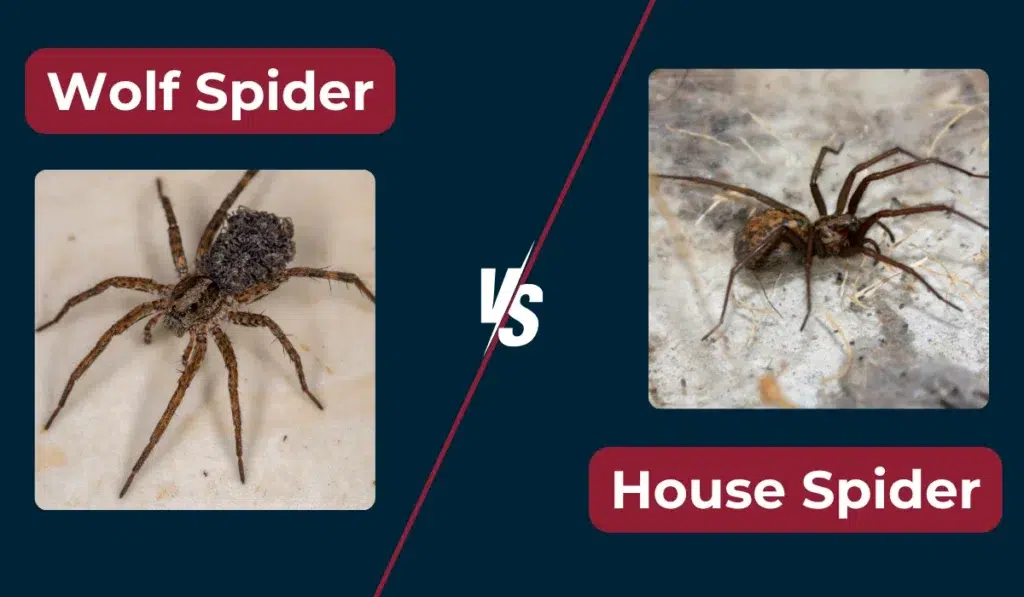
Wolf spiders and house spiders can look similar at first, but there are clear visual differences.
Size and Body Shape
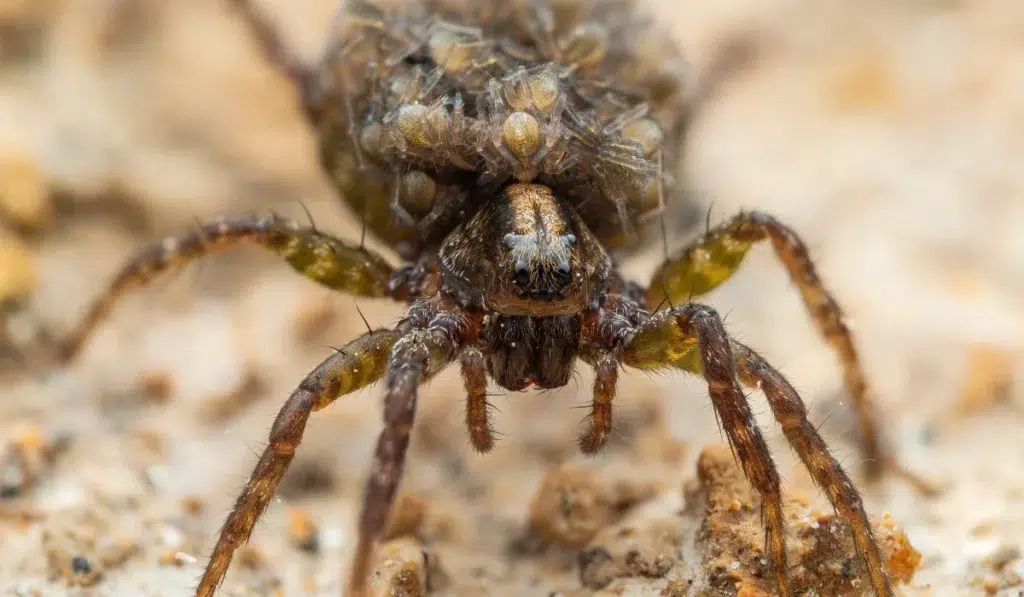
Wolf spiders are larger and have a thicker body. Their body length and leg span are usually bigger than a house spider. They often look strong and fast.
A house spider is smaller with long legs and a lighter build. The common house spider has a more delicate appearance than wolf spiders.
Color and Markings
Wolf spiders are usually dark brown with patterns on their body. Some may have stripes or mixed coloration that helps them blend into leaf litter or wood piles.
House spiders are often light brown or tan. Some types, like hobo spiders or grass spiders, may have faint markings but are less bold in appearance.
Eye Arrangement
Wolf spiders have a unique eye arrangement. Their eyes are larger and set in rows, which helps them hunt at night.
House spiders have smaller eyes that are harder to notice. Most homeowners do not see this detail, but it is one way to tell them apart.
Egg Sacs and Spiderlings
Female wolf spiders carry egg sacs attached to their body. After hatching, spiderlings may stay on the mother’s back for a short time.
House spiders leave egg sacs in webs or in hidden areas rather than carrying them.
Wolf Spider vs House Spider Behavior
Behavior is one of the easiest ways to tell these spiders apart.
Hunting vs Web Building
Wolf spiders do not build webs to catch food. They hunt on the ground and move quickly to catch insects.
A house spider builds webs to trap prey. You will often see cobwebs or spider webs in corners, ceilings, or quiet areas.
Where They Stay
Wolf spiders are often found in basements, garages, crawl spaces, or near entry points. They may also come inside from wood piles or outdoor areas.
House spiders stay in one place and build webs in corners, crevices, and quiet rooms.
Activity Levels
Wolf spiders are active hunters. You may see them moving across floors, especially at night.
House spiders stay near their webs. Their spider activity is usually limited to the area where they build webs.
Bites and Risk
Wolf spider bites are rare but can happen if handled. These spider bites are usually mild.
A house spider bite is also uncommon and not considered dangerous. However, it is important to avoid confusion with more serious spiders like the brown recluse or black widow spider, which can cause stronger reactions.
Wolf Spider vs House Spider Indoor Clues
The signs you see inside your home can help you identify which spider you are dealing with.
Presence of Spider Webs
If you see many spider webs or cobwebs, you are likely dealing with house spiders. They rely on webs to catch food.
Wolf spiders do not build webs, so you will not see webs where they are active.
Movement Patterns
Seeing a spider run across the floor points to wolf spiders. They move quickly and do not stay in one spot.
House spiders stay near their webs and are less likely to roam.
Common Locations Indoors
Wolf spiders are often found near entry points like doors, gaps, or areas near the foundation. Door sweeps can help reduce entry.
House spiders are more common in corners, ceilings, and quiet areas of basements and garages.
Outdoor Sources
Wolf spiders often come from outdoor areas like leaf litter, wood piles, and yards. Once inside, they may move through the home.
House spiders usually stay indoors once they build webs and find food sources.
Spider Identification Inspection in Alabama
If you are unsure what type of spider you are seeing, a professional inspection can help. A pest control service looks at spider activity, entry points, and hiding areas.
This includes checking basements, crawl spaces, garages, and other dark areas where spiders gather. It also helps rule out more serious spiders like the brown recluse spider or black widow spider.
Magic City Pest Control provides pest control services for Alabama homes dealing with spider infestations. Their team can identify the type of spider, locate problem areas, and provide spider control solutions.
Professional pest control helps reduce spider activity and keeps your home pest-free by addressing both indoor and outdoor sources.
Schedule Spider Control for Your Alabama Home
Seeing spiders inside your home can be frustrating, especially when you are not sure what type you are dealing with. While some spiders are harmless, ongoing spider activity may point to a larger infestation or easy entry points.
Magic City Pest Control offers pest control services in Alabama to identify and treat spider problems. Our team can locate hiding areas, reduce spider activity, and provide effective spider control solutions. If you want to keep your home pest-free, contact us today to schedule service.
FAQs
Are wolf spiders dangerous?
Wolf spiders can bite, but wolf spider bites are usually mild and not dangerous. They are more of a nuisance than a threat.
How can I tell if I have house spiders?
If you see spider webs or cobwebs in corners, ceilings, or garages, you likely have a house spider. They stay near their webs.
Should I call pest control for spiders?
If you see frequent spider activity or signs of infestation, pest control can help identify the species and reduce the problem.