

Ants are a common problem in Alabama homes, especially during warm, humid months. If you want to get rid of ants without relying on store products, there are simple steps that can help slow an ant invasion and reduce activity indoors.
Many homeowners deal with the same ant problem again and again because the entire colony is never fully addressed. This guide explains how to follow ant trails, apply natural remedies, and use a natural way to manage ants while knowing when to call a pest control company like Magic City Pest Control.
Key Takeaways
- Ant trails often lead to entry points, food sources, or an outdoor ant nest.
- Natural remedies like borax, lemon juice, white vinegar, and food-grade diatomaceous earth can help kill ants or repel ants.
- Sealing crevices with caulk and keeping countertops clean helps keep ants out.
- If the ant infestation keeps returning, a pest control company can locate the entire colony and solve the issue.
Find Where Ants Are Coming From
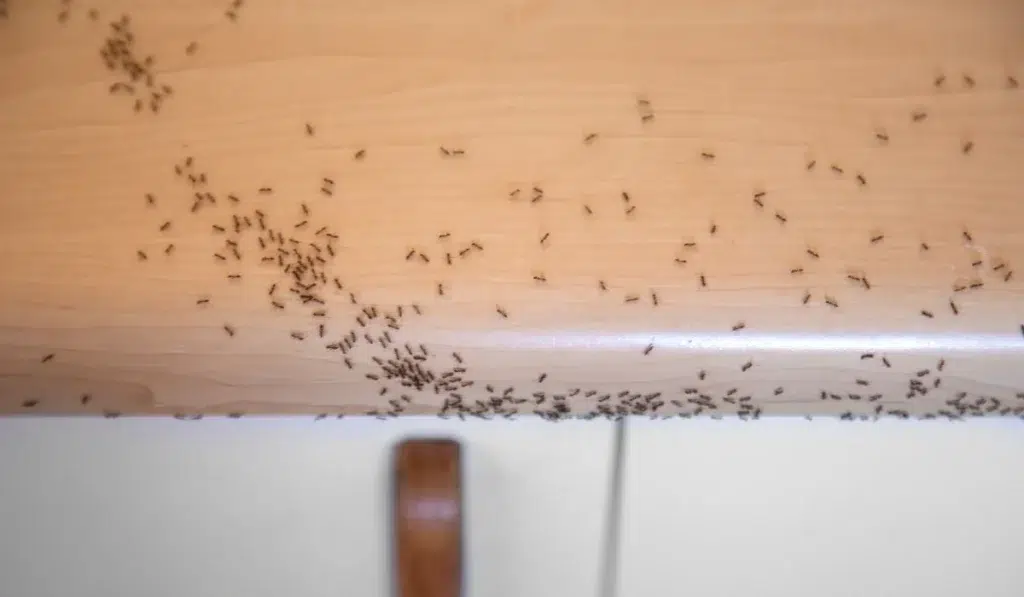
Before using any ant killer or diy method, start by identifying how ants are entering your home. Ant trails along baseboards, windowsills, and countertops usually connect back to an ant nest or nearby ant hills.
The type of ants matters because different species of ants behave differently. Carpenter ants, for example, may signal moisture issues, while other types follow steady scent trails from outdoor food sources. If the source is unclear, a pest control company can identify the species of ants and locate hidden nesting areas.
Check Windowsills
Windowsills are common entry points where small gaps allow ants inside. Clean these areas with white vinegar or lemon juice to remove pheromones and disrupt scent trails.
Check outside for ant hills, mulch, or aphids, which attract ants and support continued activity.
Inspect Baseboards
Baseboards often hide cracks where ants travel from wall voids. Following ant trails along these areas can help locate a nearby ant colony.
If you notice carpenter ants, moisture damage, or debris, there may be a larger concern. In some cases, termite activity can look similar, so unusual signs should be inspected.
Look at Countertops
Countertops attract ants because of exposed food sources. Sugar, crumbs, grease, and even pet food can trigger an ant invasion.
Regular cleaning products or a mix of dish soap and water can remove residue. This helps eliminate scent trails and reduce attraction.
Examine Doors and Other Crevices
Doors, thresholds, and small crevices around pipes or wiring are common entry points. Even small openings can support an ant infestation.
Sealing these areas with caulk acts as a strong deterrent and helps limit future access.
Natural Ways to Get Rid of Ants
After locating the source, natural remedies can help reduce activity. These methods may kill ants or act as an ant repellent, but they often work best for smaller problems.
If ants continue to return, the ant colony is likely deeper in the structure or outside the home.
Use Borax and Powdered Sugar
Borax mixed with powdered sugar works as an effective ant bait. The sugar attracts ants, and the borax is carried back to the ant colony.
This approach can help reduce the entire colony over time. Products like Terro use a similar concept, but larger infestations may still require pest control.
Apply Food-Grade Diatomaceous Earth
Food-grade diatomaceous earth acts as a dry ant killer. It works by damaging the ant’s exoskeleton, which leads to dehydration.
Apply it near baseboards, windowsills, and entry points. It can also be used around ant hills, but it must stay dry to remain effective.
Spray White Vinegar, Lemon Juice, or Dish Soap
A spray bottle filled with white vinegar or lemon juice can act as a quick ant repellent. These solutions remove pheromones and disrupt scent trails.
Dish soap mixtures can help kill ants on contact and clean surfaces at the same time. These are helpful for short-term control but will not eliminate the ant nest.
Try Baking Soda, Cornmeal, Coffee Grounds, and Spices
Baking soda mixed with powdered sugar is another diy option that may help kill ants. Cornmeal and coffee grounds are often used around foundations and entry points as a deterrent.
Ground cinnamon, peppermint essential oil, and tea tree oil can also repel ants. An essential oil spray can be applied using a spray bottle, though these natural remedies fade quickly in warm weather.
Pour Boiling Water on Outdoor Ant Hills
Boiling water can reduce activity in visible ant hills and disturb part of the ant nest. This may help slow an ant invasion coming from outside.
However, it rarely reaches the entire colony. If ants continue to come indoors, a deeper treatment is usually needed.
Natural Prevention for Your Alabama Home
Prevention is the most reliable natural way to keep ants out. Removing food sources, cleaning spills, and storing food properly all help reduce attraction.
Sealing entry points, maintaining baseboards, and keeping countertops clean also limit access. These steps support long-term control, but they may not stop a persistent ant infestation on their own.
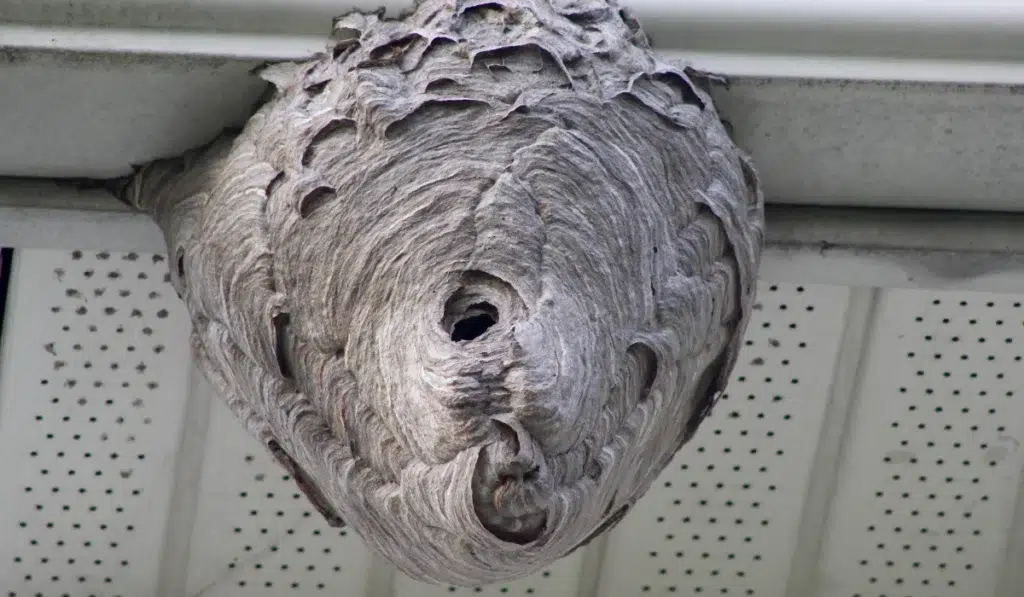
For many homeowners, ongoing pest control provides more consistent protection. It helps manage not just ants, but also other pests like wasps that are active in Alabama.
Schedule an Ant Inspection in Alabama
A recurring ant problem usually means the ant colony is still active nearby. Natural remedies and diy methods may reduce surface activity, but they often do not remove the source, which allows the infestation to return.
Magic City Pest Control offers pest control services designed for Alabama homes. An experienced exterminator can identify the type of ants, locate the ant nest, and treat the infestation at its source. If you are ready to get rid of ants and prevent them from coming back, contact us today to schedule an inspection.
FAQs
How do I know if I have an ant infestation?
You may have an ant infestation if you keep seeing ant trails, notice ants near food sources or pet food, or find ant hills around your home. Ongoing activity often means an active ant colony nearby.
What is the best natural way to get rid of ants?
The best natural way depends on the situation. Borax bait, white vinegar, lemon juice, and food-grade diatomaceous earth can help kill ants or act as a repellent, but they may not eliminate the entire colony.
When should I call an exterminator for ants?
Call an exterminator if diy methods stop working, the ant invasion keeps returning, or you suspect carpenter ants or termites. A pest control company can locate the source and treat the infestation effectively.