

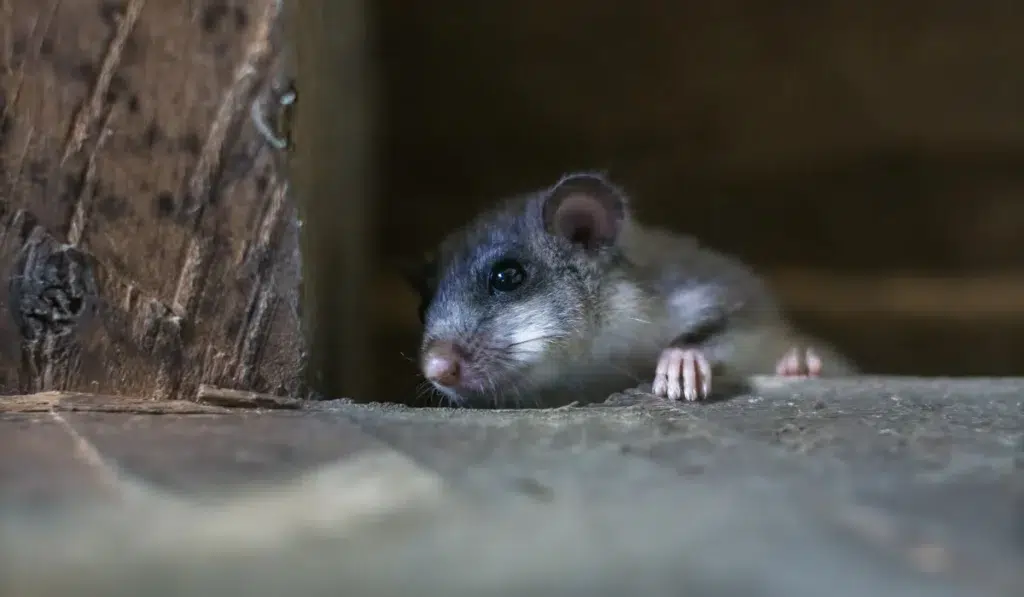
Rats in the attic can become a serious rodent problem fast. Homeowners in Birmingham often hear scratching or scurrying sounds above the ceiling at night. These sounds often mean roof rats or other rodents are active in the attic.
Rats damage attic insulation, chew electrical wires, and leave droppings in storage areas. A rat infestation also creates health risks and strong odors.
There are clear steps you can take to get rid of rats and stop the infestation, or contact a rodent control service in Birmingham for full removal.
Key Takeaways
- Roof rats enter attics through small openings in the roof.
- Droppings, gnaw marks, and scurrying sounds are signs of rats.
- Snap traps and baited traps help control a rat problem.
- A pest control company often handles large infestations.
What to Do First for Attic Rats
If you suspect rats in your attic, start with a quick inspection. These steps confirm rat activity and guide your next move.
Look for Droppings and Gnaw Marks
Rat droppings are a clear sign of rat activity. You may find them along rafters, attic insulation, or storage boxes.
You may also notice gnaw marks on wood, pipes, or electrical wires. Rats often chew to keep their teeth short, and these marks confirm a rat infestation.
Listen for Scurrying at Night
You may hear scurrying sounds after dark when roof rats are active. If you hear movement near the rafters or attic insulation, it often indicates a rodent infestation.
Remove Easy Food Sources
Food attracts rats. Pet food left in garages, open trash, or bird seed can attract rats to your home.
Clean up outdoor food sources and store pet food in sealed containers to help reduce a rat problem.
How to Get Rid of Rats in the Attic
After you confirm rat activity, you can start removing them. These methods remove rats safely.
Set Rat Traps in Active Areas
Snap traps and baited traps work well for small infestations. Place rat traps in areas where rats are active, especially along walls or beams they travel along.
Use Peanut Butter as Bait
Peanut butter works well as bait because of its strong smell. A small amount can improve trap results when trying to get rid of rats.
Avoid Overusing Rat Poison
Rat poison can cause new problems. A poisoned rat can die in the attic, causing strong odors and attracting insects. Many pest control professionals recommend using traps before resorting to poison.
Try Repellents Carefully
Homeowners may try repellents like peppermint oil. These products may give short-term relief, but do not stop a full rat infestation.
Repellents work best with other rat control methods.
How Rats Are Getting In
Rats need a way inside. Finding entry points stops future infestations.
Small Openings in the Roof
Roof rats fit through small openings. Cracks near shingles or roof edges create easy access and act as entry points, especially after storm damage.
Gaps Near Gutters and Soffits
Gutters and soffits create weak spots in the roofline. Rats climb walls to reach these areas, where the attic provides warmth and shelter.
Damaged Vents or Roof Edges
Roof vents, shingles, and attic vents become entry points when damaged. Rats also enter through loose flashing or worn materials.
Sealing these areas supports rodent exclusion.
When Attic Rat Removal Needs a Pro
Some infestations become too large for DIY control. Knowing when to call an expert helps limit damage.
Droppings Are Everywhere
Large amounts of rat droppings often mean a larger infestation and may require professional rodent removal and attic clean-up due to health risks.
Rats Keep Returning
If traps keep catching rats but new ones appear, there may be hidden entry points. A pest control company can inspect the home and identify entry points to help reduce future infestations.
Fixing entry points helps stop future infestations.
Damage to Wires or Insulation
Rats chewing electrical wires can create fire hazards. If the attic insulation or wiring is damaged, call an exterminator or rodent control professional.
Quick action helps prevent costly repairs.
Book Attic Rat Control in Birmingham
Rats in the attic can become a large infestation. Droppings, gnaw marks, and scurrying sounds are warning signs.
Homeowners can start with traps, removing food sources, and sealing entry points. These steps reduce rat activity.
Many infestations require professional help. A pest control service can inspect your attic, locate entry points, and create a plan for rat control.
At Magic City Pest Control, we provide rodent control and pest control services for homeowners in Birmingham and the surrounding areas. Our team can remove rats, identify likely entry points, and recommend steps to help prevent future infestations.
If you suspect a rat infestation in your attic, contact us today.
FAQs
What are the first signs of rats in an attic?
Common signs of rats include droppings, gnaw marks, and scurrying sounds at night. You may also notice damaged attic insulation or chewed materials.
Can rats damage electrical wires?
Yes. Rats chew constantly and may damage electrical wires in the attic. Damaged wires can create fire hazards if the damage is severe.
Should homeowners use rat poison in the attic?
Rat poison may kill rats, but it can leave a dead rat inside the attic. Many pest control professionals recommend rat traps or professional rodent removal instead.