

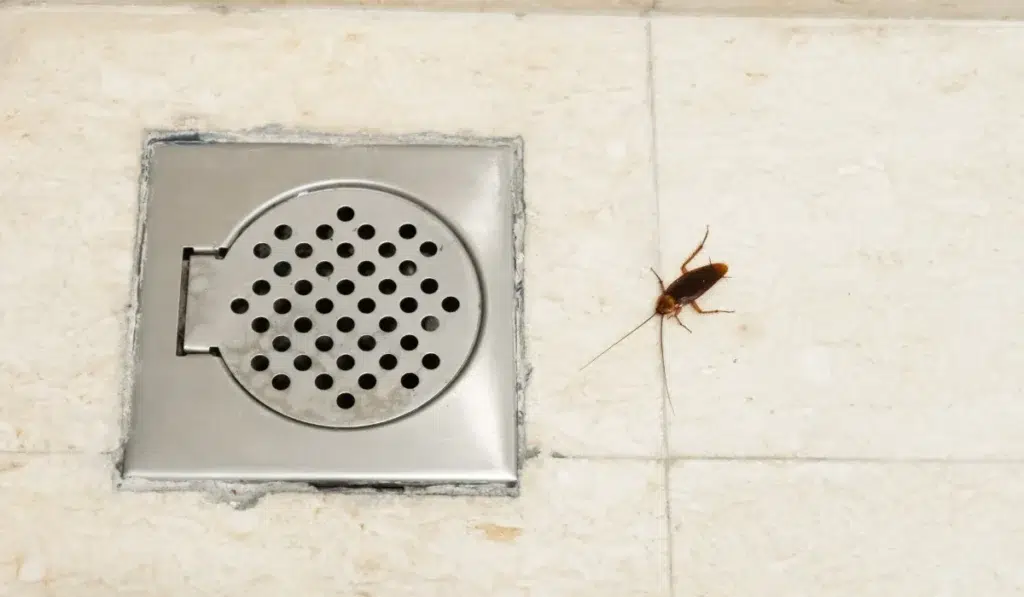
Seeing a cockroach near the sink, bathtub, toilet, or bathroom vanity can be unsettling. A bathroom may not contain the same food sources as a kitchen, but it can still offer the conditions cockroaches look for: moisture, dark hiding places, and small gaps around plumbing or cabinetry.
A single sighting does not automatically confirm a large infestation. Some outdoor species may wander inside, while indoor-breeding species can move between bathrooms, kitchens, laundry rooms, and wall voids. For Huntsville homeowners, the most useful response starts with inspection: identify where moisture collects, check the surrounding gaps, monitor activity, and avoid relying on broad sprays or foggers.
This guide explains how to keep roaches out of your bathroom, which warning signs matter, and when recurring activity may justify professional pest-control support.
Key Takeaways
- Bathrooms can attract roaches when leaks, condensation, standing water, or damp cabinets provide a reliable moisture source.
- Check beneath sinks, behind toilets, around tubs, near plumbing penetrations, along baseboards, and inside vanity cabinets.
- Sticky traps placed along wall edges can help show where roaches travel and whether activity extends beyond one room.
- Species identification matters. Some cockroaches live and breed indoors, while others usually come inside from outdoor areas.
- Fix leaks, improve ventilation, remove clutter, and seal visible gaps after you understand the activity pattern.
- Do not spray pesticides into drains, outlets, wall voids, or bathroom fixtures unless the product label specifically permits that use.
- Do not use foggers, roach bombs, or broad aerosol sprays as your main strategy.
- Request professional support when sightings continue, traps catch roaches repeatedly, or activity appears in several rooms.
Why Roaches Show Up in Bathrooms
Cockroaches survive where they can find food, water, and shelter. Bathrooms often provide water more reliably than food. A dripping faucet, damp vanity cabinet, wet bath mat, or plumbing leak can make the room more attractive, especially when nearby cracks or wall voids offer hiding places.
The UC IPM guide to cockroaches explains that roaches hide in warm, dark, moist areas during the day and come out at night to feed. It also recommends sanitation, leak repair, exclusion, and sticky-trap monitoring rather than relying on pesticides alone.
Leaks Beneath the Sink
Inspect the cabinet beneath the sink for damp wood, stains, loose plumbing connections, and standing water. A slow drip can remain easy to miss when bottles, cleaning supplies, or stored items cover the cabinet floor.
Remove unnecessary clutter so you can see the plumbing clearly. Ask a qualified plumber to repair leaks that go beyond a basic homeowner task.
Condensation and Poor Ventilation
Warm showers can leave moisture on walls, windows, and floors. Use the bathroom fan during and after bathing when appropriate, and wipe up recurring condensation.
Ventilation will not eliminate an established infestation, but reducing moisture can make the room less favorable and improve the results of a broader control plan.
Standing Water Around Fixtures
Check around the bathtub, shower, toilet base, sink, and any floor drains. Wipe up water that remains after normal bathroom use.
If water returns repeatedly, look for the underlying cause rather than treating the visible puddle as the full problem.
Gaps Around Pipes and Cabinets
Roaches can move through cracks and openings around plumbing, baseboards, cabinets, and wall voids. Their flat bodies allow them to use narrow spaces that are easy to overlook.
Do not seal every opening immediately if you are still trying to determine where activity is concentrated. Start with monitoring, then close appropriate gaps as part of the prevention plan.
Signs of Roach Activity in a Bathroom
A live cockroach is only one clue. Look for a combination of signs to determine whether activity is isolated or ongoing.
Live Roaches After Dark
Cockroaches are often more active at night. Check the bathroom after the room has been quiet and note where insects move when the light turns on.
The direction they travel can help you identify a cabinet edge, plumbing gap, baseboard seam, or wall opening worth inspecting.
Droppings Near Hidden Edges
Droppings may appear beneath the vanity, along baseboards, inside cabinets, behind the toilet, or near protected gaps. Their appearance varies by species and size.
Wear gloves during cleanup and avoid spreading debris to other areas.
Shed Skins and Egg Cases
Shed skins and egg cases can point to activity that is more established than a single wandering insect. Look along cabinet corners, wall edges, and other quiet areas.
Persistent Odor
A musty or unpleasant odor can accompany a heavier infestation, but odor alone does not identify the source. Check for physical evidence before assuming roaches are responsible.
Repeated Sticky-Trap Captures
Sticky traps can help show whether roaches are passing through the bathroom regularly. The UC IPM cockroach quick guide recommends placing traps along wall edges, in cupboards, under appliances, and in other likely feeding areas, then checking them daily until the main activity areas become clear.
Which Cockroach Species May Appear in Huntsville Bathrooms?
Species identification matters because the right response depends on whether the roaches are breeding indoors or entering from outside.
German Cockroaches
German cockroaches live and breed indoors. They are usually associated with kitchens and food-preparation areas, but they may also appear in bathrooms, laundry rooms, and connected wall voids where moisture is available.
Small roaches, nymphs, or repeated sightings in several rooms deserve closer attention because German cockroaches can establish indoor populations.
American Cockroaches
American cockroaches are larger and may move indoors from outdoor or utility areas. A single large roach in a bathroom may be a temporary invader rather than evidence of a breeding population in the room.
Repeated sightings still justify inspection, especially when gaps, drains, crawl-space access, or moisture problems remain unaddressed.
Smokybrown Cockroaches
Smokybrown cockroaches are another outdoor-associated species relevant in Alabama. Alabama Extension groups American, smokybrown, and Oriental cockroaches among species that can survive outdoors but move into buildings when conditions change.
Inspect exterior gaps, vegetation, porch areas, crawl spaces, and other routes when large roaches continue appearing indoors.
Brownbanded Cockroaches
Brownbanded cockroaches can live and breed indoors but are less closely tied to moisture than German cockroaches. They may appear in higher or drier areas, including furniture and electronics.
A bathroom sighting does not rule out activity elsewhere in the home. Monitor connected rooms as well.
How to Inspect Your Bathroom for Roaches
A structured inspection can help you find the conditions supporting activity before you treat blindly.
Step 1: Check Beneath the Vanity
Remove stored items and inspect the cabinet floor, plumbing lines, wall openings, and corners. Look for moisture, droppings, egg cases, shed skins, and gaps.
Step 2: Inspect Around the Toilet
Check behind the toilet, around the base, and near the water-supply line. Look for leaks, dampness, and narrow spaces where roaches could hide.
Step 3: Look Around the Tub and Shower
Inspect the caulk lines, access panels, corners, and floor edges. Replace damaged caulk when appropriate and address recurring moisture.
Step 4: Check Baseboards and Wall Gaps
Use a flashlight to examine the seams where the floor meets the wall, especially near plumbing and cabinetry.
Step 5: Place Sticky Traps
Place traps in dry areas along wall edges, beneath the vanity, and near suspected travel routes. Keep traps away from children, pets, and areas where they may contact water.
The National Pesticide Information Center guide to cockroaches recommends monitoring bathrooms, kitchens, sinks, cabinets, wall voids, and pipes to locate hiding and travel areas.
Step 6: Check Nearby Rooms
Inspect the kitchen, laundry room, garage, or hallway when the bathroom is not the only place where roaches appear. Activity in one room can be connected to a broader pattern.
How to Keep Roaches Out of the Bathroom
Fix Plumbing Leaks
Repair dripping faucets, loose supply lines, and leaking pipes. Moisture control matters because water can keep roaches active even when the room appears clean.
Dry Wet Surfaces
Wipe up standing water around the sink, tub, toilet, and floor. Hang wet towels and bath mats so they can dry fully.
Improve Ventilation
Use the exhaust fan during and after showers when possible. Clean the fan according to the manufacturer’s guidance so it can work effectively.
Reduce Clutter
Remove cardboard, paper bags, and unnecessary stored items from vanity cabinets and bathroom closets. UC IPM recommends reducing clutter, especially in kitchens and bathrooms, because it creates hiding places.
Seal Appropriate Gaps
Once you understand the activity pattern, seal suitable openings around pipes, baseboards, cabinets, and utility lines. Repair worn weather stripping and door sweeps when exterior access may be involved.
Keep Trash Covered
Use a bathroom trash can with a liner and empty it regularly. Remove items that may hold moisture or residue.
Monitor After Cleanup
Continue checking traps after you fix moisture and remove clutter. A drop in captures can show that the environment is becoming less favorable.
What Not to Do When Roaches Appear in the Bathroom
Do Not Use Foggers or Roach Bombs
UC IPM advises against foggers, bombs, and broad aerosol sprays because they can be hazardous and may disperse cockroaches to other areas without solving the infestation.
Do Not Spray Into Drains or Fixtures
Do not apply pesticide into drains, outlets, wall voids, plumbing openings, or bathroom fixtures unless the product label specifically permits that use.
Follow label instructions carefully and keep pesticide products away from children and pets.
Do Not Rely on Sprays Alone
Sprays do not address the food, water, shelter, and entry points supporting activity. A stronger approach combines monitoring, sanitation, moisture control, exclusion, and targeted treatment when needed.
Do Not Place Baits Far From Activity
Baits work best when roaches encounter them near hiding places or travel routes. More bait is not always better. Placement should reflect what the inspection reveals.
Do Not Ignore Daytime Sightings
A roach visible during the day may deserve faster attention, especially when you also find nymphs, droppings, egg cases, or repeated trap captures.
Health Concerns Linked to Cockroach Activity
Roach activity matters because cockroach debris can contribute to allergies and asthma symptoms in some people.
The EPA guidance on asthma triggers explains that proteins in cockroach feces and saliva can cause allergic reactions or trigger asthma symptoms. EPA also notes that droppings and body parts may contribute to asthma symptoms.
Clean Debris Carefully
Remove droppings, egg cases, and shed material from accessible surfaces after the infestation has been addressed. Wear gloves and avoid spreading debris into other rooms.
Reduce Ongoing Exposure
Moisture control and targeted pest management can help reduce the conditions that allow roaches to remain active in the bathroom.
When to Request Professional Roach Control
A single outdoor-associated cockroach may be an isolated invader. Professional support becomes more useful when roaches continue appearing, monitoring traps confirm regular activity, or the problem extends beyond the bathroom.
Consider requesting an inspection when:
- You continue seeing roaches after fixing leaks and drying the room.
- Sticky traps catch cockroaches repeatedly over several days.
- You find nymphs, egg cases, droppings, or shed skins.
- Roaches appear during the day.
- Activity also appears in the kitchen, laundry room, garage, or other connected areas.
- You suspect gaps around plumbing, wall voids, crawl spaces, or exterior access points.
- You are unsure which cockroach species is present.
- You want a treatment plan designed around children, pets, or sensitive household areas.
Magic City Pest Control provides cockroach-control services in Huntsville, AL. Its local service page describes an approach that starts with species identification and active-harborage inspection, followed by targeted treatment for the type of roach present, crack-and-crevice treatment, and follow-up when needed.
What a Professional Inspection Should Cover
A professional inspection should evaluate the bathroom, vanity cabinets, plumbing penetrations, baseboards, drains, closets, nearby rooms, exterior gaps, crawl-space routes, and the results from sticky traps.
The goal is to identify the species, determine whether the roaches are breeding indoors or invading from outside, and locate the moisture and shelter conditions supporting activity.
What a Roach-Control Plan May Include
The right plan depends on the species and the scope of the infestation. Recommendations may include moisture correction, sanitation, exclusion work, monitoring, baits, insect growth regulators for German cockroaches, targeted treatment in cracks and voids, and follow-up visits.
Long-term improvement depends on reducing the water, shelter, and access routes that allow roaches to remain active.
Reduce Moisture and Monitor the Room
Keeping roaches out of your Huntsville bathroom starts with the conditions you can control. Fix leaks, dry wet surfaces, improve ventilation, reduce clutter, inspect plumbing gaps, and use sticky traps to understand where activity is concentrated.
Do not rely on foggers or broad sprays. A bathroom sighting may be isolated, but repeated captures, nymphs, droppings, or daytime activity deserve a closer look.
If roaches keep returning, request a free quote from Magic City Pest Control to discuss activity in your Huntsville home.
Frequently Asked Questions
Why do roaches show up in bathrooms?
Bathrooms can provide water, warmth, and dark hiding places. Check for leaks, condensation, standing water, damp cabinets, and gaps around plumbing.
Does one roach in the bathroom mean I have an infestation?
Not always. A single large roach may have wandered inside. Repeated sightings, nymphs, egg cases, droppings, or ongoing trap captures provide stronger evidence of a broader problem.
Where should I place sticky traps in a bathroom?
Place traps in dry areas along wall edges, beneath the vanity, and near suspected travel routes. Keep them away from water, children, and pets.
Can roaches come through bathroom drains?
Roaches may use plumbing areas, wall gaps, and utility routes around a bathroom. Do not assume the drain itself is the only source. Inspect around pipes, fixtures, cabinets, and connected rooms.
Should I spray pesticide into a bathroom drain?
Do not apply pesticide into drains, fixtures, or plumbing openings unless the product label specifically permits that use. Follow the label and request professional guidance when activity continues.
How can I make my bathroom less attractive to roaches?
Fix leaks, wipe up standing water, improve ventilation, dry towels and mats, reduce clutter, clean cabinets, seal appropriate gaps, and monitor activity with sticky traps.
Should I use a roach bomb in the bathroom?
No. Foggers and roach bombs may disperse cockroaches without solving the infestation. Focus on monitoring, sanitation, moisture control, exclusion, and targeted treatment.
When should I call a pest-control professional?
Request an inspection when roaches keep returning, traps catch insects repeatedly, nymphs or egg cases appear, daytime activity develops, or several rooms show signs of infestation.