

If you’ve spent any time in a Birmingham backyard this summer, you’ve probably already had a close encounter with something that buzzes. Stinging insects in Alabama are at peak activity from late spring straight through September, and the combination of heat, humidity, and mature tree canopy across neighborhoods like Mountain Brook, Vestavia Hills, and Hoover gives them plenty of places to nest and forage. Most are manageable once you know what you’re dealing with. A few deserve real respect.
Key Takeaways
Alabama stinging insects, identified
Birmingham summers bring wasps, hornets, and bees out in force. Here is what each one looks like, where it nests, and how much room to give it.
- Alabama summers create near-perfect conditions for wasps, hornets, and yellow jackets to build large, aggressive colonies
- Several common stinging insects are actually beneficial — knowing which is which matters before you act
- Nest location tells you a lot about species and risk level
- Some nests are safe DIY territory; others are genuinely dangerous to approach without protection
The Most Common Stinging Insects Alabama Homeowners Find
Paper Wasps
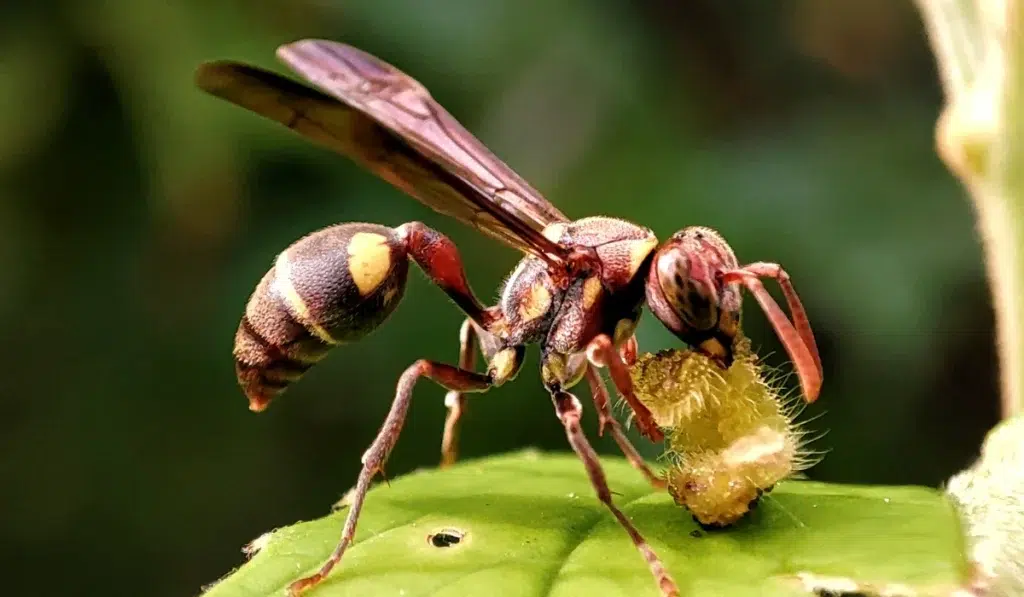
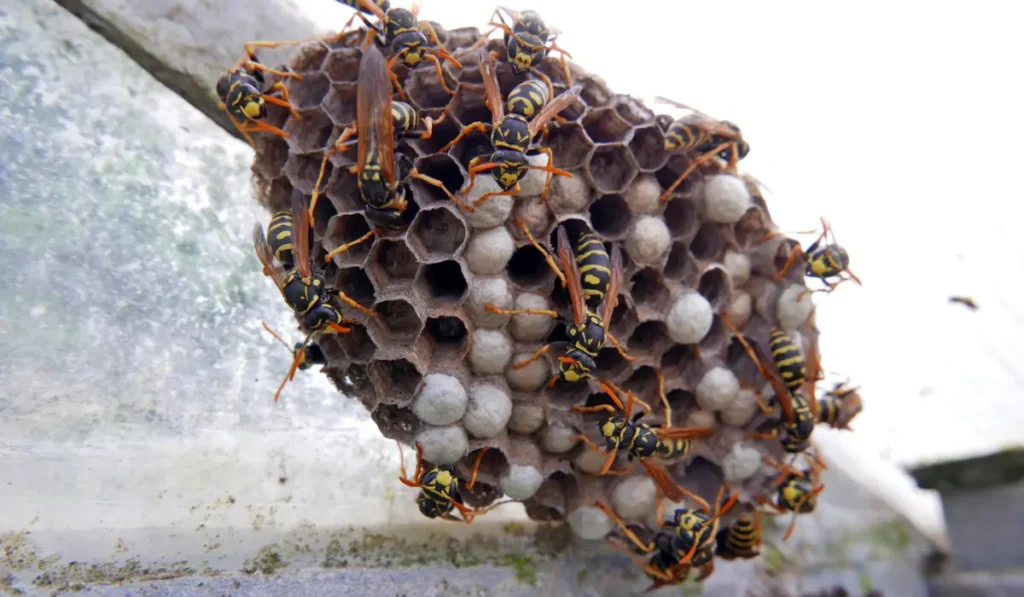
Paper wasps are probably the stinging insect you’ll encounter most often around your home. They build those open, umbrella-shaped nests that show up under eaves, inside grill covers, behind shutters, and tucked under deck railings. In June, those nests are growing fast.
Paper wasps aren’t looking for a fight. They’ll leave you alone if you leave them alone. The problem is that people often reach into a grill or grab a garden tool without noticing a nest. Check potential hiding spots before you dig in, especially early morning when wasps are slower.
Yellow Jackets
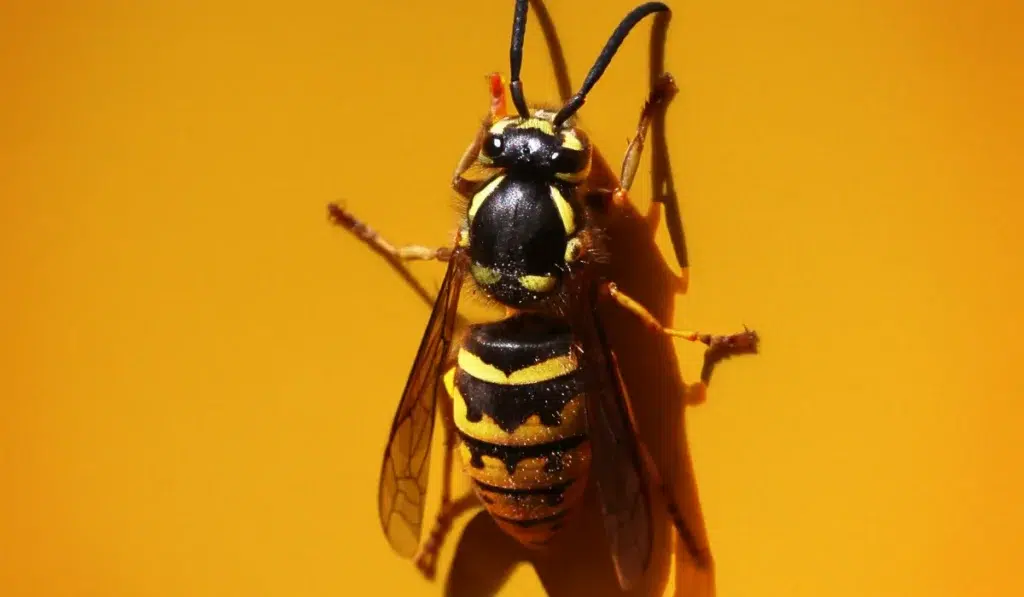
Yellow jackets are a different story. They’re more aggressive than paper wasps, quicker to sting with little provocation, and they can sting repeatedly. In Alabama, they’re especially active mid-summer and into fall.
What makes yellow jackets tricky is where they nest. They often build underground, in wall voids, or inside old stumps and wood piles. Homeowners in older Birmingham neighborhoods sometimes discover yellow jacket colonies when mowing or doing landscape work. If you find a yellow jacket nest in the ground or inside a wall, don’t pour water on it, don’t spray it with a garden hose, and don’t try to plug the entrance. Get professional help.
Bald-Faced Hornets
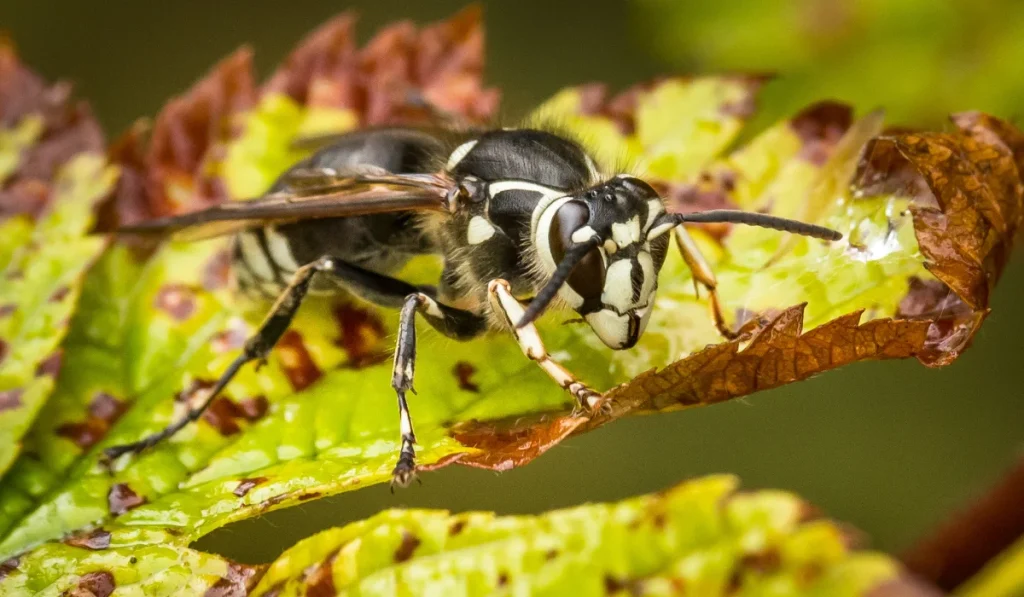
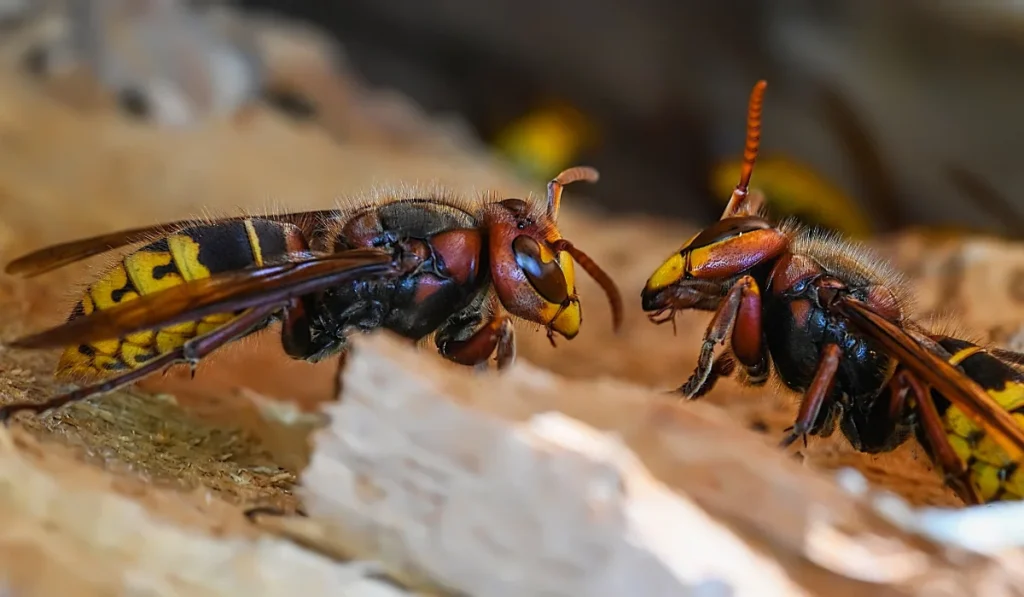
Bald-faced hornets build those large, football-shaped paper nests you see hanging in trees, on power lines, or sometimes attached to the side of a house. By June, nests that started the size of a baseball in April may already be approaching softball size and growing.
These insects are aggressive defenders of their colony. The safe distance from an active nest is farther than most people think. If you spot one in a tree near your porch or kids’ play area, treat it as a serious hazard and call someone who can handle it properly.
Mud Daubers
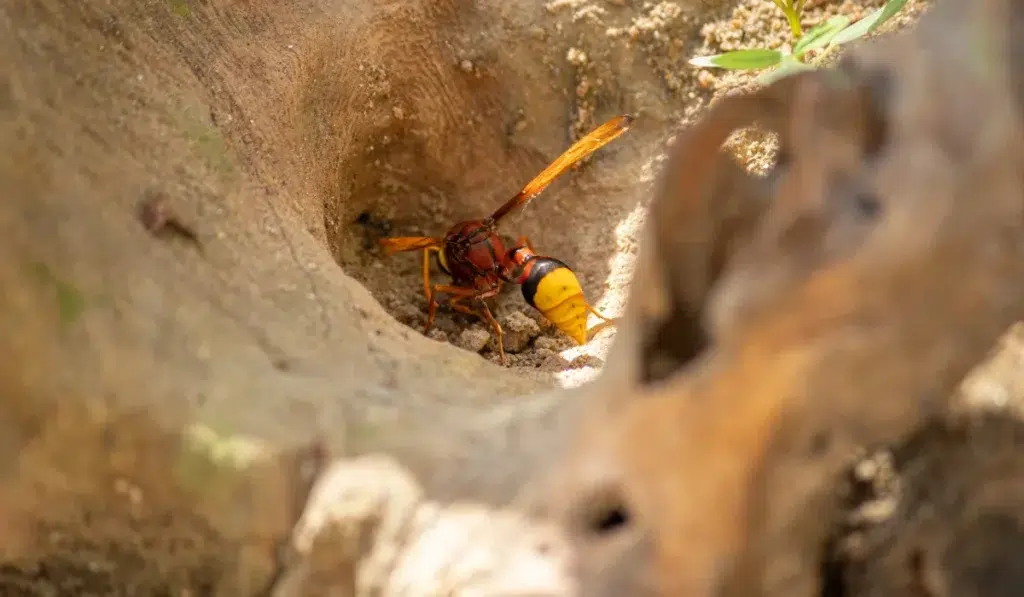
Mud daubers build long, tube-shaped mud structures on brick walls, under porch ceilings, and along window frames. They’re solitary, and they’re genuinely one of the more docile stinging insects you’ll find. They also kill spiders — specifically the kind they provision their nests with to feed their larvae. Many homeowners choose to leave them alone.
Honeybees and Bumble Bees
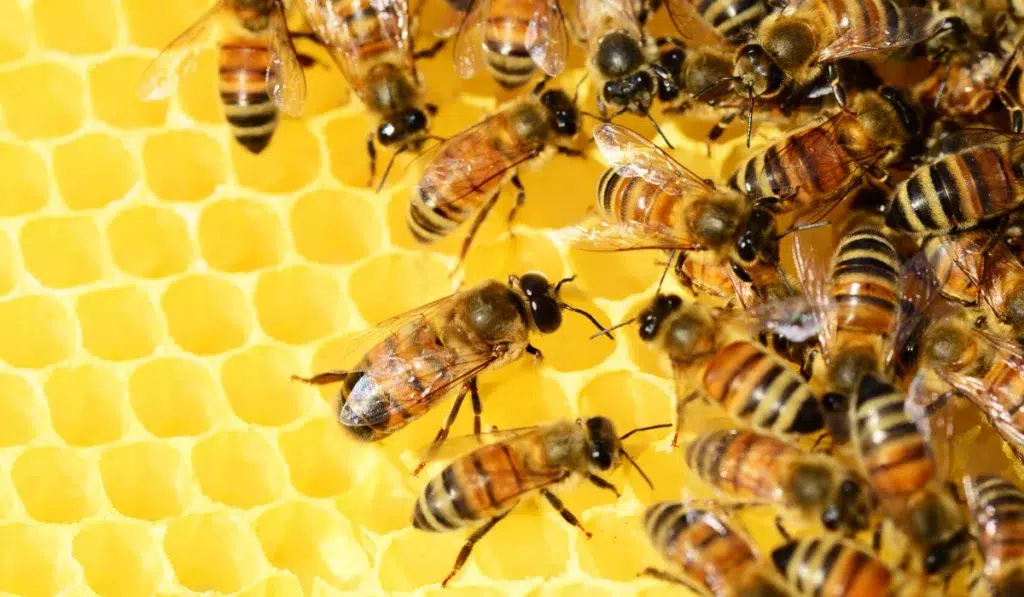
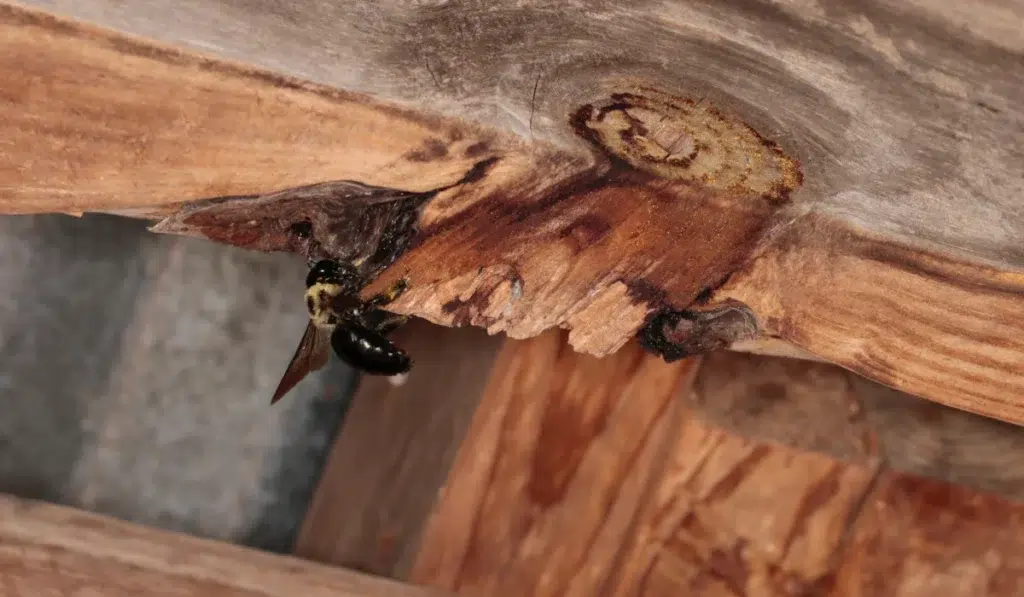
Honeybees and bumble bees are pollinators you want around. Neither is looking for conflict. If you have a honeybee swarm land on your property — a loose cluster hanging from a tree branch — contact a local beekeeper rather than an exterminator. They’ll relocate the swarm in most cases.
An established honeybee colony inside a wall void is a separate issue. That does need professional attention.
Why Alabama Summers Make Stinging Insects More Aggressive
By mid-June, wasp and hornet colonies have been building for two months. More workers means more defenders. At the same time, natural food sources are competitive, so foragers are ranging further and are quicker to defend territory near your home.
Sweet drinks and food scraps attract yellow jackets fast. If you’re eating outside, keep food covered and trash cans sealed.
What to Do if You Get Stung
Most stings are painful but not dangerous for people without allergies. Remove any stinger quickly, apply ice, and watch for localized swelling. If you experience hives, throat tightening, dizziness, or swelling beyond the immediate sting site, that’s anaphylaxis — call 911 and use an EpiPen if available.
How to Reduce Stinging Insect Problems Around Your Home
- Check before you grab. Grill covers, garden gloves, outdoor furniture cushions, and hose reels are all spots wasps love.
- Seal gaps. Yellow jackets and wasps get into wall voids through gaps in siding, fascia, and around utility penetrations.
- Manage food and drink outside. Covered trash cans and cleaning up spills quickly reduces yellow jacket pressure near outdoor living areas.
- Treat eaves early. Treating common nesting spots before queens establish in spring is the most effective approach.
Let Magic City Pest Control Handle the Nests You Shouldn’t Tackle Alone
If you’ve found an active yellow jacket colony, a large hornet nest, or wasps nesting inside your walls or soffits, that’s not a safe DIY job. The residential pest control team at Magic City Pest Control serves Birmingham and the surrounding metro — Hoover, Pelham, Helena, Alabaster, Vestavia Hills, and beyond. Reach out to our team or give us a call at (205) 538-1435.
Frequently Asked Questions
How Do I Tell the Difference Between a Yellow Jacket and a Wasp?
Yellow jackets are stockier and tend to be more brightly banded black and yellow with a shiny, hairless appearance. Paper wasps are slimmer with a narrower waist and often have some orange or brown coloring mixed in. Yellow jackets also tend to fly more aggressively and at a lower altitude.
Are Stinging Insects in Alabama Worse in Summer Than Other Times of Year?
Yes, noticeably so. Colony sizes peak in mid-to-late summer, which means more workers defending the nest. Combined with the fact that people are spending more time outside, encounters increase significantly from June through September. By fall, colonies begin to die off and pressure drops.
Should I Try to Remove a Wasp or Hornet Nest Myself?
It depends on the nest. A small paper wasp nest under an eave — fewer than 10 wasps — can often be knocked down at night with a jet-spray wasp killer. But any underground nest, any large aerial nest, or any nest near high-traffic areas should be handled by a professional.
Does Magic City Pest Control Treat Stinging Insects in Birmingham?
Yes. Stinging insect treatment — including wasp and hornet nests — is covered under our residential pest control plans. We serve Birmingham and surrounding communities including Hoover, Vestavia Hills, Mountain Brook, Pelham, Helena, and Alabaster. We’ve been voted Best Pest Control in Birmingham five years running. Call (205) 538-1435 or reach out to our team.