

An itchy bump after time outdoors may seem like an obvious mosquito bite. However, bite marks can be difficult to identify from appearance alone. Mosquitoes, fleas, bed bugs, ticks, fire ants, and other pests may leave marks that overlap in color, swelling, and itchiness. Skin reactions also vary from one person to another.
For Huntsville homeowners, the most useful approach is to look beyond the bite itself. Think about when the marks appeared, where you were before noticing them, which parts of the body are affected, whether pets are scratching, and whether you can find additional pest evidence around your yard or home.
This guide explains how mosquito bites can compare with other common bites and stings, which environmental clues may help narrow the source, how to reduce mosquito pressure around your property, and when a healthcare provider or pest-control professional should become part of the next step.
Key Takeaways
- Bite marks alone rarely confirm which pest caused the reaction. Mosquito bites may appear as puffy reddish bumps or itchy reddish-brown bumps, but individual reactions vary.
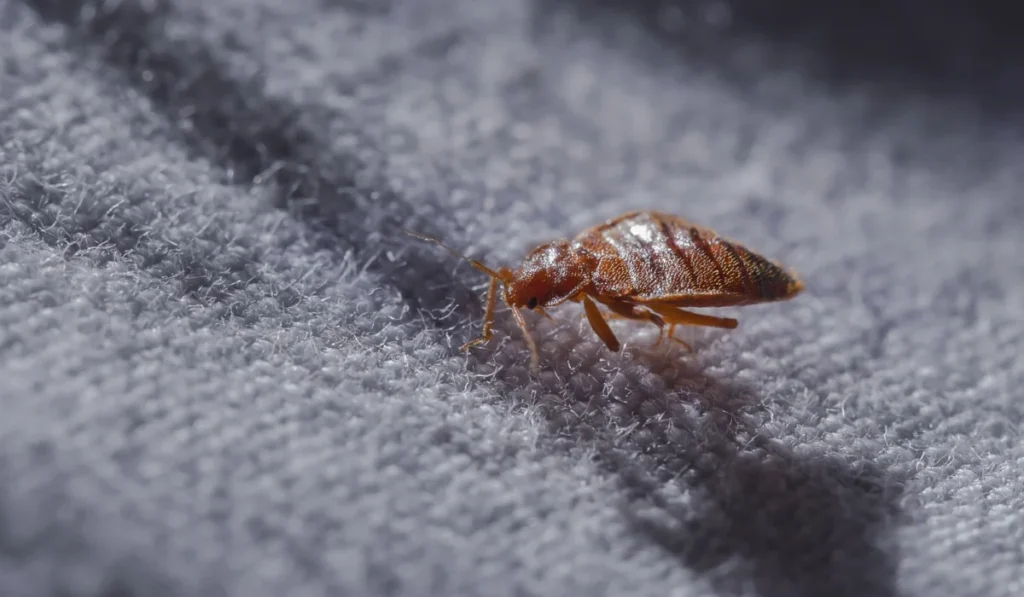
- Bed-bug bite reactions are not diagnostic. Look for insects, shed skins, dark spots, eggs, or other signs near sleeping and resting areas.
- Flea bites often affect the lower legs and feet, especially when pets or wildlife may be involved, but location alone does not confirm fleas.
- A suspected spider bite should not be assumed from the skin mark alone. Many reported spider bites are never linked to an observed spider.
- Standing water around the yard can support mosquito breeding. Empty and scrub water-holding containers regularly.
- Use EPA-registered insect repellents as directed, repair screens, and wear protective clothing when mosquito activity is high.
- Seek medical care for worsening symptoms and emergency help for signs of a severe allergic reaction.
Why Bite Marks Are Difficult to Identify
Skin can respond to bites and stings with redness, swelling, itching, or irritation. Those reactions can overlap across several pests. Timing and location may provide useful clues, but they do not replace physical evidence.
The CDC bed-bug identification guide notes that an inflammatory skin reaction is not specific enough to confirm bed bugs. Confirmation is better supported by finding adult bed bugs or nymphs near the affected sleeping area.
Different people can react differently
Two people exposed to the same pest may not develop the same reaction. One person may notice itching and swelling quickly, while another may develop a smaller mark or no obvious reaction.
The CDC guide to mosquito bites explains that some people experience mild reactions, while others develop a larger area of redness, swelling, or soreness.
Several pests can affect exposed skin
Mosquitoes, fleas, bed bugs, and some other pests can leave itchy marks on exposed skin. A pattern may help you decide where to inspect, but it should not be treated as a definite diagnosis.
Skin irritation may have another cause
Not every itchy or painful mark comes from a pest. Skin irritation, allergic reactions, infections, and other medical conditions can resemble bite reactions.
Contact a healthcare provider when the cause is unclear, the reaction is worsening, or symptoms continue.
What Mosquito Bites Can Look Like
Mosquitoes pierce the skin and inject saliva while feeding. The body reacts to that saliva, which can lead to itching and swelling.
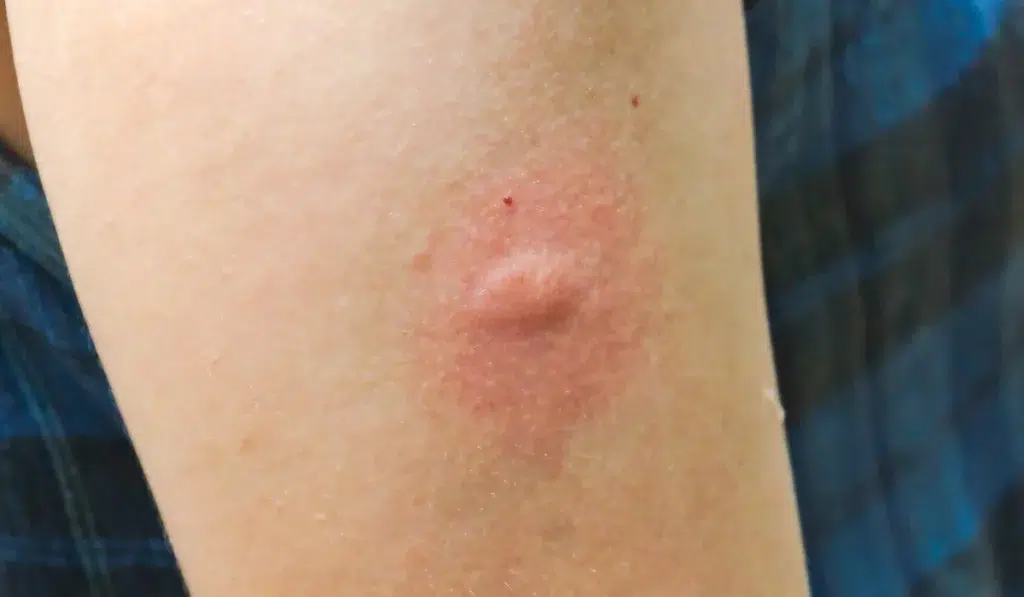
The CDC lists several possible mosquito-bite signs: a puffy reddish bump that appears within minutes, a hard itchy reddish-brown bump or multiple bumps that appear later, small blisters, or dark spots that resemble bruises.
Timing can provide context
Mosquito bites may become noticeable shortly after outdoor activity, but reactions do not always appear immediately. Consider whether you spent time in a shaded yard, near standing water, or outside when mosquitoes were active.
Outdoor exposure matters
Huntsville’s Vector Control guidance notes that mosquito activity is not limited to dawn and dusk. The Asian tiger mosquito is common in residential areas and can bite during the day.
A bite after daytime yard work, gardening, or time on a patio can still be consistent with mosquito exposure.
A mosquito bite does not automatically mean illness
Mosquitoes can spread germs, but not every mosquito is infected and not every bite leads to illness. Monitor your symptoms and contact a healthcare provider when you feel unwell or have concerns.
Mosquito Bites vs. Bed-Bug Bites
Bed bugs feed on people and animals while they sleep. Marks may be noticed after waking, but the skin reaction alone does not confirm bed bugs.
The CDC overview of bed bugs explains that bites can cause itching and, rarely, allergic reactions. It also emphasizes looking for signs of an infestation rather than relying only on skin symptoms.
Check sleeping and resting areas
Inspect mattress seams, box springs, bed frames, headboards, couch seams, cushion folds, and nearby cracks. Look for live insects, shed skins, eggs, reddish stains, or dark spots.
Do not assume a nighttime bite came from bed bugs
Mosquitoes can enter through open doors, windows, and damaged screens. A bite noticed in the morning may still require a broader inspection.
Request an inspection when signs appear
If unexplained bites continue and you find evidence near a bed or couch, request professional bed-bug support rather than treating the room based only on the bite pattern.
Mosquito Bites vs. Flea Bites
Fleas feed on animal or human blood. Their bites can cause discomfort, itching, and irritation.
The CDC flea-prevention guide notes that flea bites often occur on the lower legs and feet. That pattern can be useful when pets, wildlife, or animal resting areas may be involved.
Inspect pet-resting areas
Check pet bedding, rugs, upholstered furniture, and the areas where pets spend time. Ask your veterinarian for guidance when a pet is scratching or you suspect fleas.
Look for pest evidence, not only marks
A cluster of itchy marks near the ankles may suggest fleas, but it does not confirm them. Look for fleas, flea dirt, pet symptoms, or activity in pet-resting areas.
Consider outdoor exposure
Fleas can be associated with animals and wildlife. Yard conditions, stray animals, and pet access can all influence the inspection.
Mosquito Bites vs. Tick Bites
Ticks differ from mosquitoes because they attach to a host while feeding. The clearest clue is often the tick itself rather than the skin reaction left behind.
Check for attached ticks after outdoor activity
Inspect your skin, clothing, and pets after time in brushy, grassy, or wooded areas. Pay attention to hard-to-see areas and ask for help checking your back or scalp when needed.
Remove an attached tick promptly
Follow current CDC tick-removal guidance: use fine-tipped tweezers, grasp the tick close to the skin, and pull upward with steady pressure.
Contact a healthcare provider when symptoms develop
Seek medical advice when you develop concerning symptoms after a tick bite or have questions about an attached tick.
Mosquito Bites vs. Fire-Ant Stings
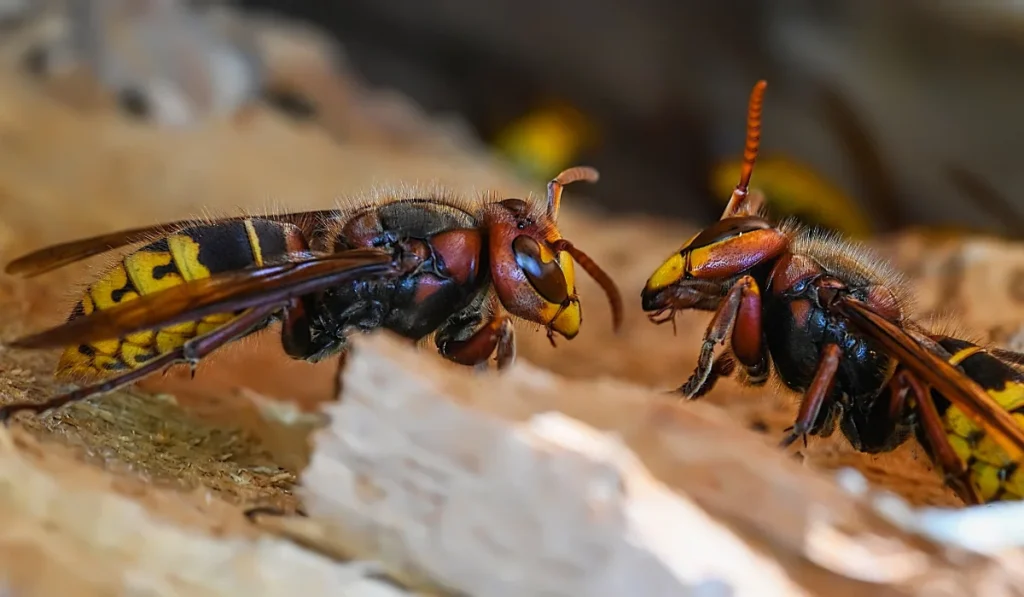
Fire ants are relevant in Alabama yards and can sting when a mound is disturbed. The reaction may feel more immediate than a mosquito bite.
The NIOSH guide to stinging insects explains that fire ants bite and sting aggressively when disturbed and that red bumps can develop into white fluid-filled pustules within a day or two.
Look for the outdoor source
Inspect sunny, disturbed areas of the lawn for possible mounds. Do not kick, poke, or mow over a suspected mound to test whether it is active.
Keep children and pets away
Use another route and block access until the mound has been assessed.
Request professional identification
Do not assume every small mound contains fire ants. A professional can identify the activity and recommend the appropriate response.
Mosquito Bites vs. Suspected Spider Bites
Spider bites are often blamed for skin lesions that may have another cause. A skin mark alone usually cannot prove that a spider was responsible.
The CDC Yellow Book guidance on skin conditions notes that many alleged spider bites are not linked to a spider observed biting the person or even found nearby.
Do not diagnose a spider bite from appearance alone
Redness, swelling, pain, or irritation can have several possible causes. Contact a healthcare provider for a medical evaluation rather than assuming a spider bite.
Inspect the surrounding area when spiders are present
Reduce clutter, remove webs carefully, and inspect storage areas, garages, sheds, and other protected spaces.
Seek medical care for concerning symptoms
Contact a healthcare provider for worsening pain, spreading redness, fever, or other symptoms that concern you.
Use the Environment to Narrow the Source
The location and timing of the bites can help you decide where to inspect first.
Bites after time outdoors
Check the yard for standing water, shaded resting areas, dense vegetation, and damaged screens. Mosquitoes become more likely when bites follow patio time, gardening, sports, or outdoor gatherings.
Bites after sleeping
Inspect mattresses, bed frames, headboards, couches, and nearby cracks for bed-bug signs. Do not rely on the bite pattern alone.
Bites around the ankles or lower legs
Inspect pets, pet bedding, rugs, and furniture for fleas. Ask your veterinarian for guidance when pets are involved.
A visible attached pest
An attached tick offers a clearer clue than the mark left afterward. Remove it promptly and follow CDC guidance.
Immediate stinging after stepping near a mound
Move away from the area and avoid disturbing the mound again. The source may be fire ants or another stinging pest.
How to Inspect Your Huntsville Yard for Mosquito Activity
Mosquito prevention starts with water. Mosquito larvae and pupae develop in water with little or no flow.
The EPA mosquito-prevention guide recommends eliminating standing water in rain gutters, tires, buckets, plastic covers, toys, and other containers where mosquitoes can breed. EPA also recommends emptying and changing water in birdbaths, fountains, wading pools, rain barrels, and potted-plant trays at least once a week.
Step 1: Empty water-holding containers
Check buckets, watering cans, toys, plant saucers, tarps, bins, and outdoor furniture. Empty water and scrub containers regularly.
Step 2: Inspect gutters and drainage
Clear clogged gutters and check low spots where water remains after rain or irrigation.
Step 3: Check birdbaths and pet bowls
Refresh water regularly and clean the container. Do not leave stagnant water in an unused dish.
Step 4: Look beneath decks and dense vegetation
Mosquitoes may rest in shaded, protected areas during the day. Trim overgrown vegetation and improve airflow where practical.
Step 5: Repair window and door screens
Use screens in good condition and repair holes that allow mosquitoes indoors.
Step 6: Contact local vector control for community concerns
Huntsville’s Vector Control program follows an integrated pest-management approach and surveys for breeding areas and concentrated adult mosquito populations during mosquito season.
Local support may be useful when mosquito pressure extends beyond one property or standing water appears in a public area.
How to Reduce Mosquito Bites Around Your Home
Use an EPA-registered repellent
The CDC mosquito-bite prevention guide recommends using an EPA-registered insect repellent and following the product label.
Wear protective clothing
Loose-fitting long sleeves and pants can help reduce exposed skin. CDC also recommends clothing and gear treated with permethrin while cautioning against applying permethrin products directly to the skin.
Use screens and air conditioning when possible
Repair damaged screens and keep doors closed when mosquitoes are active. The CDC vector-borne disease prevention guide recommends using screens and air conditioning to help keep mosquitoes outside.
Reduce standing water weekly
Small containers can support mosquito development. Add a weekly yard check to your routine, especially after rain.
Follow label directions for larvicides
When standing water cannot be dumped or covered, ask a mosquito-control professional whether a labeled larvicide is appropriate. Use any product only as directed.
What Not to Do When You Have Unexplained Bites
Do not diagnose the pest from the mark alone
Bite appearance can suggest where to inspect, but it does not confirm the pest. Look for environmental evidence and request professional help when the source remains unclear.
Do not treat every room with a broad spray
A broad pesticide response can miss the source and create unnecessary exposure. Treatment should match the pest and the location of the activity.
Do not ignore pets
Pets can be part of the flea and tick picture. Ask your veterinarian about prevention and treatment appropriate for your animal.
Do not scratch bites
The CDC advises against scratching mosquito bites because broken skin can become infected. Wash the area and monitor for worsening symptoms.
Do not delay medical care for concerning symptoms
Pest identification and medical diagnosis are different tasks. Contact a healthcare provider when symptoms worsen, you feel unwell, or the skin reaction concerns you.
When to Seek Medical Care
A pest-control professional can inspect your home or yard, but they cannot diagnose a skin condition. Contact a healthcare provider when symptoms are persistent, worsening, or difficult to explain.
Contact a healthcare provider for worsening symptoms
The CDC mosquito-bite guide advises seeking healthcare support when a bite becomes increasingly red, feels warm, develops a spreading red streak, or otherwise worsens.
Seek emergency help for a severe allergic reaction
The MedlinePlus guide to insect bites and stings advises calling 911 or the local emergency number for symptoms such as trouble breathing, wheezing, swelling of the face or mouth, throat tightness, difficulty swallowing, or weakness.
Contact a healthcare provider when illness develops
If fever, rash, unusual fatigue, or other symptoms develop after a bite, seek medical advice. Tell the provider about recent outdoor exposure, travel, visible pests, and the timing of the reaction.
When to Request Professional Pest-Control Support
An occasional mosquito bite after time outdoors may improve with routine prevention. Professional support becomes more useful when mosquito pressure remains high, unexplained bites continue, or evidence points toward another pest.
Consider requesting an inspection when:
- You notice heavy mosquito activity around your yard despite removing standing water.
- Low-lying water, dense vegetation, shaded areas, or hidden containers make the breeding sites difficult to locate.
- Unexplained bites continue after you inspect the yard and sleeping areas.
- You find bed-bug signs near mattresses, couches, or resting areas.
- Pets continue scratching or you suspect flea or tick activity.
- You notice a fire-ant mound near a walkway, patio, play area, or pet route.
- You need help distinguishing yard-level mosquito pressure from an indoor pest problem.
Magic City Pest Control provides mosquito-control services in Huntsville, AL. Its local process includes inspecting common breeding areas such as shaded spots, flowerpots, and low-lying water; targeting active mosquitoes; focusing on daytime resting areas such as dense vegetation and spaces beneath decks; and tailoring the plan to the yard.
What a professional inspection should cover
A professional mosquito inspection should evaluate standing water, low spots, gutters, plant saucers, shaded resting areas, vegetation, decks, screens, and the parts of the yard where bites occur most often.
If the bite pattern points away from mosquitoes, the inspection may need to shift toward pets, sleeping areas, furniture, baseboards, or other pest-specific evidence.
What a mosquito-control plan may include
The right plan depends on the property. Recommendations may include standing-water correction, vegetation maintenance, screen repairs, homeowner prevention steps, and targeted mosquito-control service during the warmer months.
Magic City Pest Control’s Huntsville page describes monthly mosquito treatments from March through October.
Look Beyond the Bite
Mosquito bites can cause itchy bumps, but the mark alone does not confirm what bit you. Use the timing, location, and surrounding evidence to decide where to inspect first.
For mosquito prevention, remove standing water, repair screens, wear protective clothing, and use EPA-registered repellent as directed. For recurring unexplained bites, look for other evidence and involve the right professional: a healthcare provider for the skin reaction and a pest-control professional for the home or yard.
If mosquito activity remains high around your Huntsville property, request a free quote from Magic City Pest Control to discuss your yard.
Frequently Asked Questions
Can I identify a mosquito bite by looking at it?
Not with certainty. Mosquito bites may appear as puffy reddish bumps or itchy reddish-brown bumps, but several other pests can cause similar reactions. Consider the exposure and look for additional evidence.
How can I tell mosquito bites from bed-bug bites?
Bite appearance alone cannot confirm bed bugs. Inspect sleeping and resting areas for live insects, shed skins, eggs, reddish stains, and dark spots.
Where do flea bites usually appear?
Flea bites often occur on the lower legs and feet. Inspect pets and pet-resting areas, but do not rely on the bite location alone.
Do mosquito bites always appear immediately?
No. Some reactions appear within minutes, while other bumps may develop later. Individual reactions vary.
Should I assume a painful skin mark is a spider bite?
No. Many suspected spider bites are not confirmed by an observed spider. Contact a healthcare provider for a medical evaluation when a painful or worsening skin reaction concerns you.
How can I reduce mosquito bites in my yard?
Empty standing water, scrub containers, clear gutters, refresh birdbath water, repair screens, trim dense vegetation, wear protective clothing, and use an EPA-registered repellent as directed.
When should I seek medical care for a bite?
Contact a healthcare provider for worsening symptoms, spreading redness, warmth, fever, or other concerns. Call 911 or the local emergency number for signs of a severe allergic reaction such as trouble breathing or swelling of the face or mouth.
When should I call a pest-control professional?
Request an inspection when mosquito pressure remains high after standing-water cleanup, unexplained bites continue, or you find evidence of bed bugs, fleas, ticks, or stinging pests around your home.