

Finding a strange bug near your mattress can turn bedtime into an inspection pretty quickly. Bed bugs are small, good at hiding, and easy to mistake for other insects. Bites can raise suspicion, but bites alone cannot tell you what is living in your bedroom.
For homeowners concerned about Alabama bed bugs, identification is the first useful step. Bed bugs can show up in clean homes, apartments, hotels, dorms, and other places where people sleep or spend long periods resting. They often arrive by hitching a ride on luggage, furniture, bags, clothing, or other belongings.
The good news is that bed bugs leave evidence behind. Once you know their appearance, preferred hiding places, and common signs, you can make a more informed decision about what to do next.
What Do Bed Bugs in Alabama Look Like?
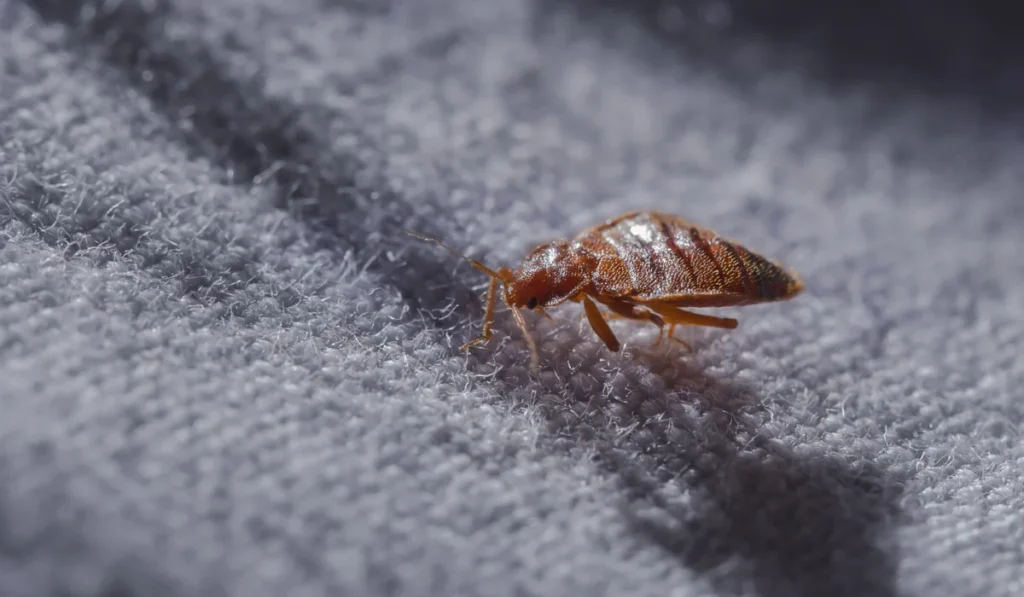
Adult bed bugs in Alabama look the same as bed bugs elsewhere in the country. They are small, wingless insects with flat, oval bodies. Their reddish-brown color becomes easier to recognize once you know what you are looking for, although recently fed bugs may appear more swollen and elongated.
Size is another useful clue. The U.S. Environmental Protection Agency describes adult bed bugs as roughly 5 to 7 millimeters long, which is about the size of an apple seed. Young bed bugs, called nymphs, are smaller and lighter in color. Their eggs are tiny and pale, making them much harder to spot during a casual inspection.
| Life stage | What it looks like | What to look for |
|---|---|---|
| Egg | Tiny and pearly white | Small pale eggs attached to protected surfaces |
| Young nymph | Very small and light-colored | Pale bugs that may be difficult to see |
| Older nymph | Increasingly similar to an adult | Small, flatter bugs around hiding areas |
| Adult | Reddish-brown, about 5 to 7 mm | Oval body that becomes more swollen after feeding |
If you find a suspected bed bug, try to save it in a sealed container rather than crushing or discarding it. A clear specimen makes identification much easier. A pest professional can then determine whether you have a bed bug or another small household insect before treatment begins.
What Are the Most Reliable Signs of Bed Bugs?
Bites tend to get people’s attention first, but physical evidence around the room is more useful for confirming a bed bug infestation. Some people develop itchy marks after being bitten. Others have little visible reaction, so the absence of obvious bites does not rule out bed bugs.
Check mattress seams, the box spring, headboard, bed frame, and furniture close to the bed. You may find live bugs, shed skins, eggs, or dark spotting. Small reddish stains can also appear on bedding. Magic City’s technicians pay particular attention to beds, headboards, box springs, furniture joints, molding, cracks, and nearby furniture during an inspection and treatment.
A single unexplained spot on a sheet does not confirm an infestation. Mosquitoes, fleas, skin irritation, and other problems can produce symptoms that look similar at first. Finding an actual insect or several forms of bed bug evidence gives you a much stronger reason to act.
Where Should You Look for Bed Bugs?
Bed bugs are built for hiding. Their flat bodies let them squeeze into tight spaces around the places where people sleep and rest. That means an inspection should go well beyond pulling back the sheets and looking at the top of the mattress.
Start with mattress seams and labels, then check the box spring, frame joints, screw holes, and the back of the headboard. Nightstands, upholstered chairs, dressers, and other furniture near the bed deserve attention too. Magic City’s service guidance also calls for checking areas such as built-in bed drawers, picture frames, nearby electrical outlets, and windows when the extent of an infestation warrants it.
| Area | Where to inspect | Evidence you may find |
|---|---|---|
| Mattress | Seams, piping, labels, folds | Live bugs, eggs, dark spotting |
| Box spring | Corners, edges, underside, interior | Bugs, shed skins, spotting |
| Bed frame | Joints, holes, cracks | Hidden adults or nymphs |
| Headboard | Back, joints, wall-facing side | Bugs clustered in narrow gaps |
| Nightstands and dressers | Drawer joints, undersides, cracks | Bugs or signs away from the mattress |
| Upholstered furniture | Seams, folds, cushion edges | Activity where people regularly rest |
Try not to move suspected infested furniture into another bedroom while you inspect. A bed bug hidden inside a frame, mattress, or nightstand can travel with that item. Keeping suspect belongings contained makes it easier to understand where the infestation is located.
Are Bed Bug Bites Dangerous?
Bed bug bites can itch, swell, and become uncomfortable, but reactions vary considerably between people. One person may wake with obvious marks while someone sleeping nearby has little visible reaction. That difference is another reason you should not diagnose a bed bug infestation from skin symptoms alone.
Bed bugs also differ from disease-carrying pests such as mosquitoes and ticks. The Centers for Disease Control and Prevention states that bed bugs are not known to spread disease to people. Bites can still cause itching, and repeated scratching can damage the skin and contribute to a secondary infection. Some people can also experience allergic reactions.
If a skin reaction is severe, widespread, or accompanied by symptoms that concern you, contact a medical professional. Pest professionals can identify and treat an infestation, but questions about an individual’s reaction to a bite belong with a healthcare provider.
How Do Bed Bugs Get Into Alabama Homes?
Bed bugs are hitchhikers. They do not need to crawl across your yard or enter through a crack in the foundation. They can travel between locations on luggage, bags, clothing, furniture, and other belongings, then settle near a place where people regularly sleep or rest.
Travel gets a lot of attention, but it is only one route. Bed bugs can be moved through hotels, apartments, dorms, workplaces, and homes. Used mattresses and upholstered furniture also deserve a careful inspection before they come inside. A sofa can look spotless on the outside while bugs remain hidden around seams or frame joints.
When staying away from home, a quick inspection around the bed can help you notice obvious evidence before unpacking. Back at home, check luggage before putting it on the bed. These habits cannot prevent every introduction, but they reduce the chance of giving a hidden hitchhiker an easy route from a suitcase to your sleeping area.
How Fast Can a Bed Bug Infestation Grow?
A small bed bug problem can remain easy to overlook because the insects spend so much time hidden. Reproduction changes that picture over time. Once an established population includes reproducing females, waiting for bugs to become obvious can give the infestation more time to spread around the room.
According to the EPA, a female bed bug can lay about one to three eggs per day and roughly 200 to 500 eggs during her lifetime. Young bed bugs also need blood meals as they move through their developmental stages. Those biological facts help explain why finding and addressing the infestation matters more than simply killing the few insects you happen to see.
| Bed bug fact | What research tells us | Why it matters at home |
|---|---|---|
| Adult size | About 5 to 7 mm | Small enough to hide in narrow furniture gaps |
| Egg production | About 1 to 3 eggs per day | A confirmed infestation can grow over time |
| Lifetime egg production | Roughly 200 to 500 eggs per female | Waiting can make control more complicated |
| Feeding and development | Nymphs need blood meals to develop | Sleeping areas provide reliable access to a host |
| Disease transmission | Not known to spread disease to people | Bites and infestation still require attention |
This does not mean every bug you find signals hundreds more behind the wall. It means confirmed activity deserves a proper inspection. The size and distribution of the infestation should determine the response rather than assumptions based on a single bug.
What Should You Do When You Find a Bed Bug?
Your first instinct may be to strip the room, drag the mattress outside, and start moving furniture. That can make matters harder. A bug or egg hidden in an item can be carried through the house while you are trying to clean up.
Instead, keep suspected items in the room until you have a plan. Save any specimen you find and inspect the bed and nearby furniture for other evidence. If bed bugs are confirmed, follow the preparation instructions provided for the treatment rather than clearing the room at random.
Magic City provides customers with preparation instructions after confirming the problem. Depending on the treatment plan, preparation can include laundering bedding and keeping cleaned items contained. The company’s service guidance also warns against casually removing mattresses or box springs because moving infested furniture can spread bugs to other areas of the home.
Vacuuming can physically remove some visible bugs, but it should not be confused with complete bed bug control. Hidden insects and eggs may remain inside furniture or narrow cracks. What you can see is only part of the area that needs to be inspected.
Why Can Bed Bug Treatment Take More Than One Visit?
Bed bugs do not gather in one exposed nest that can simply be removed. Adults, nymphs, and eggs may be tucked into different parts of a bed, furniture, or room. Successful control depends on finding those hiding places and addressing the infestation beyond the insects visible on inspection day.
Magic City’s process begins by confirming that bed bugs are the source of the problem and explaining how the customer should prepare. Treatment can cover the mattress, box spring, headboard, bed frame, furniture, molding, cracks, and other affected areas. Technicians work outward based on where activity is found rather than treating every home as if the infestation were identical.
Follow-up is part of that process. Magic City’s service information states that technicians can return at seven-day intervals until the bed bugs have been eliminated, and some infestations require more than one treatment. That makes follow-up evidence especially useful because it shows whether activity remains after the initial service.
Getting Professional Help With Bed Bugs in Alabama
Bed bugs can be frustrating because the first signs do not always reveal how far an infestation has spread. A careful inspection answers the questions that matter: whether the pest is actually a bed bug, where activity is concentrated, and which parts of the room need attention.
If you find bed bugs in Alabama, Magic City Pest Control can inspect the problem and build the treatment around what is actually happening in your home. Our team serves Birmingham, Huntsville, and surrounding Alabama communities. Contact Magic City Pest Control to schedule an inspection and get a clear treatment plan based on the extent of the infestation.