

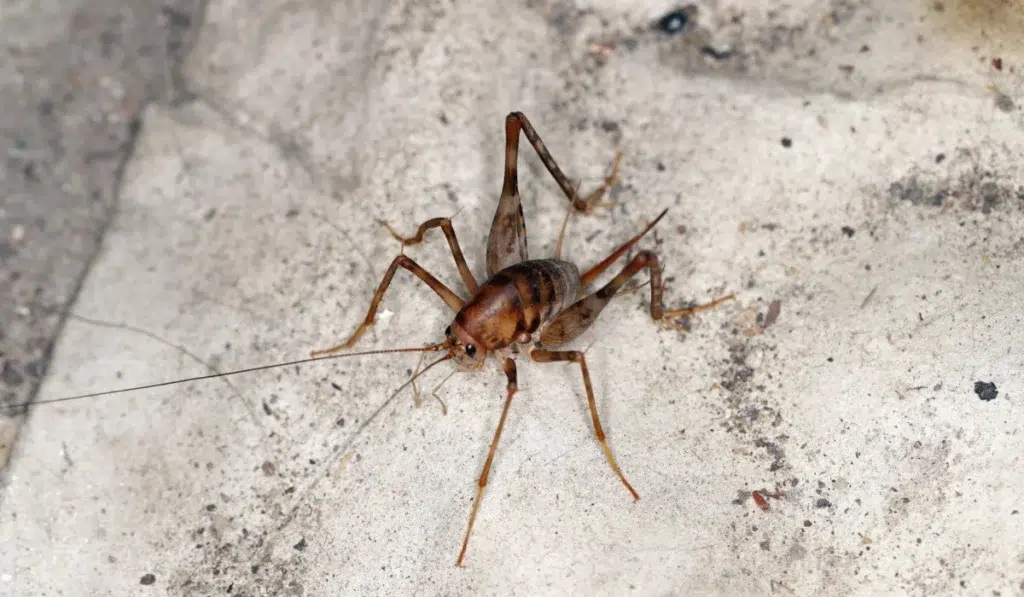
Finding sprickets in the basement can make an ordinary trip downstairs feel unsettling. These long-legged insects often jump as soon as a light turns on, and their curved bodies can look like a cross between a cricket and a spider. Despite the nickname, a spricket is not a spider. It is a camel cricket.
Camel crickets are not aggressive, and they are not trying to jump at people. Their sudden movement is a defensive response when they feel threatened. The more useful question is why they are in the basement at all.
In Alabama homes, recurring spricket activity often points to moisture, shelter, and access around the foundation. A single insect may have wandered through an open door or small gap. Regular sightings can signal a damp basement, humid crawl space, cluttered storage area, or outdoor hiding place close to the house.
Are Sprickets in the Basement Dangerous?
Sprickets in the basement may look alarming, but they are not considered dangerous household pests. They do not sting, and they are not known for biting people. Their oversized hind legs are designed to help them escape threats, not pursue anything nearby.
A startled camel cricket may leap in an unpredictable direction. In a confined basement or utility room, that movement can make it seem as though the insect is jumping toward you. It is reacting to light, vibration, or nearby movement and trying to reach cover.
Sprickets are mainly a nuisance. They do not spread disease like some household pests, and they do not damage structural wood. Their presence matters because it can reveal damp conditions or openings that may also attract other basement pests.
What Are Sprickets?
Spricket, spider cricket, cave cricket, and camel cricket are common names for insects in the family Rhaphidophoridae. They prefer protected environments where light is limited and moisture remains available.
According to University of Kentucky entomology guidance on camel crickets, these insects commonly live in cool, damp places such as basements, crawl spaces, caves, and sheltered outdoor areas beneath logs or stones. Their appearance separates them from the familiar house crickets that homeowners often hear chirping indoors.
Camel crickets are wingless, so they do not fly. They also do not produce the typical chirping sound associated with many other crickets. A basement can have several sprickets without the noise that usually gives away a house cricket.
How to Identify a Camel Cricket
Camel crickets have a rounded, arched back that creates a humpbacked appearance. Their coloring ranges from tan to dark brown, helping them blend into soil, wood, cardboard, and dim basement corners. Their antennae are very long and may extend well beyond the body.
The enlarged hind legs are their most noticeable feature. Sprickets have six legs, while spiders have eight. That difference can help homeowners identify the insect without getting close enough to handle it.
You may find camel crickets along foundation walls, behind stored boxes, beneath shelving, near floor drains, or close to crawl space doors. They are most active at night, so many homeowners discover them after moving storage or turning on a light.
| Feature | Camel Cricket | House Cricket | Spider |
|---|---|---|---|
| Number of legs | Six | Six | Eight |
| Body shape | Humpbacked with long hind legs | Flatter cricket shape | Two main body sections |
| Wings | Wingless | Adults often have wings | No wings |
| Sound | Does not chirp like a house cricket | Often chirps | Silent |
| Common indoor location | Basements and crawl spaces | Warm rooms and utility areas | Varies by species |
Why Sprickets Gather in Basements and Crawl Spaces
A camel cricket infestation usually begins because the home offers the same conditions these insects use outdoors. They seek darkness, moisture, shelter, and access to organic material. Basements and crawl spaces can provide all four, especially when airflow is limited.
The insects are not attracted to people or normal household activity. They are responding to an environment that feels protected. Once inside, they may remain hidden during the day and move along walls or floors after dark.
Moisture Makes the Space More Suitable
Basement moisture is one of the main reasons camel crickets move indoors. Plumbing leaks, condensation, damp masonry, poor drainage, and humid crawl spaces can create favorable conditions.
A slow leak beneath a utility sink, washing machine connection, or water heater may support activity even when the rest of the basement seems dry. Condensation around pipes can have a similar effect. In a crawl space, damp soil and limited ventilation may keep the entire area humid.
Damp indoor areas and nearby organic material are common factors in camel cricket activity. Reducing moisture makes the space less suitable for sprickets while helping protect stored belongings from mold and dampness.
Outdoor Shelter Brings Them Close to the House
Camel crickets often live beneath leaf litter, firewood, stacked boards, stones, dense ground cover, and other materials that hold shade and moisture. When these hiding places sit against the foundation, the insects have only a short distance to travel before finding an opening.
Common access points include gaps beneath exterior doors, damaged crawl space screens, foundation cracks, vents, and openings around pipes or utility lines. Worn garage door seals and loose basement window frames may also provide entry.
Homes in Birmingham, Huntsville, Madison, Athens, and Decatur can experience recurring activity when shaded landscaping and humid lower levels create suitable conditions. The issue is not limited to older houses. Even a newer home can attract crickets in the basement if moisture and access points are present.
What Do Sprickets Eat?
Camel crickets are scavengers. Outdoors, they feed on fungi, decaying vegetation, and other organic material. This diet explains why they are often found beneath damp leaves, logs, boards, and other objects that trap moisture.
Indoors, sprickets may feed on mold, paper products, cardboard, fabrics, and organic debris. One or two insects rarely cause meaningful damage. A larger population, however, may affect stored items if the basement provides moisture and easy access to these materials.
Sprickets do not eat structural wood the way termites do. Their presence does not mean the home’s framing is being consumed. It is more useful to treat recurring sightings as a sign that the basement or crawl space offers favorable living conditions.
Cardboard storage can add to the problem because boxes absorb moisture and create dark hiding spaces along floors and walls. Moving valuable belongings into sealed plastic containers can reduce shelter while protecting the contents from damp conditions.
How to Get Rid of Sprickets in the Basement
Effective spricket control starts with changing the environment that brought them inside. Removing the insects you can see offers immediate relief, but the problem may return if moisture, outdoor shelter, and entry points remain.
Reduce Basement and Crawl Space Moisture
Check for leaking pipes, condensation, damp foundation walls, and standing water. Repair plumbing problems and make sure gutters and downspouts direct water away from the foundation. Poor exterior drainage can contribute to damp conditions below ground level.
A dehumidifier can help manage a humid basement. Crawl spaces may require better ventilation or other moisture-control work based on their condition. The goal is to make the area less attractive to damp basement insects rather than reacting to each new sighting.
Remove Indoor and Outdoor Hiding Places
Clear cardboard, loose papers, unused fabrics, and clutter from basement floors. Keep stored items off the ground when practical and use sealed containers for materials that could absorb moisture.
Outside, move firewood, boards, stones, and yard debris away from the foundation. Rake heavy leaf litter and trim dense vegetation that keeps the soil shaded. Reducing these protected areas limits the number of camel crickets living directly beside the house.
Seal Common Entry Points
Inspect basement doors, windows, vents, crawl space openings, and utility penetrations. Replace worn door sweeps, repair damaged screens, and seal appropriate gaps around pipes, cables, and exterior trim.
The NC State publications program supports habitat management and exclusion as key parts of camel cricket control. These steps work best together. Sealing the structure is more effective when fewer insects are sheltering near the foundation.
Remove and Monitor Indoor Activity
Use a vacuum to remove individual sprickets without chasing or crushing them. Empty the vacuum contents into a sealed bag and place it in an outdoor trash container.
Sticky traps can help identify where camel crickets are traveling. Place them along walls, behind stored items, and near suspected entry points where children and pets cannot reach them. Traps can show where activity is concentrated, but they will not fix a moisture problem or close an exterior gap.
When Professional Camel Cricket Control Makes Sense
Professional camel cricket control can help when sprickets keep returning after basic moisture and exclusion work. Large numbers in several rooms may point to an active crawl space, a hidden damp area, or multiple access points around the foundation.
A pest professional can inspect the basement, crawl space, vents, doors, exterior walls, and nearby landscaping. Proper identification also matters because several long-legged insects may be mistaken for sprickets.
Magic City Pest Control includes cricket treatment in its standard service plans. A complete approach should still account for the conditions supporting the activity, since removing visible insects without correcting moisture and access may lead to more sightings.
Keep Sprickets Out of Your Alabama Basement
Sprickets look intimidating because of their long legs and sudden jumps, but they are not aggressive household pests. Their presence usually points to a cool, damp area where camel crickets can hide, feed, and move indoors.
Reducing moisture, clearing clutter, moving outdoor debris away from the foundation, and sealing entry points can make a basement or crawl space less suitable. When the insects continue to appear, a professional inspection can help uncover the source.
Magic City Pest Control helps homeowners and businesses throughout the Birmingham and Huntsville areas manage camel crickets and other seasonal pests with clear communication and property-specific service. If sprickets keep showing up in your basement or crawl space, contact our local pest control team to schedule an inspection.