


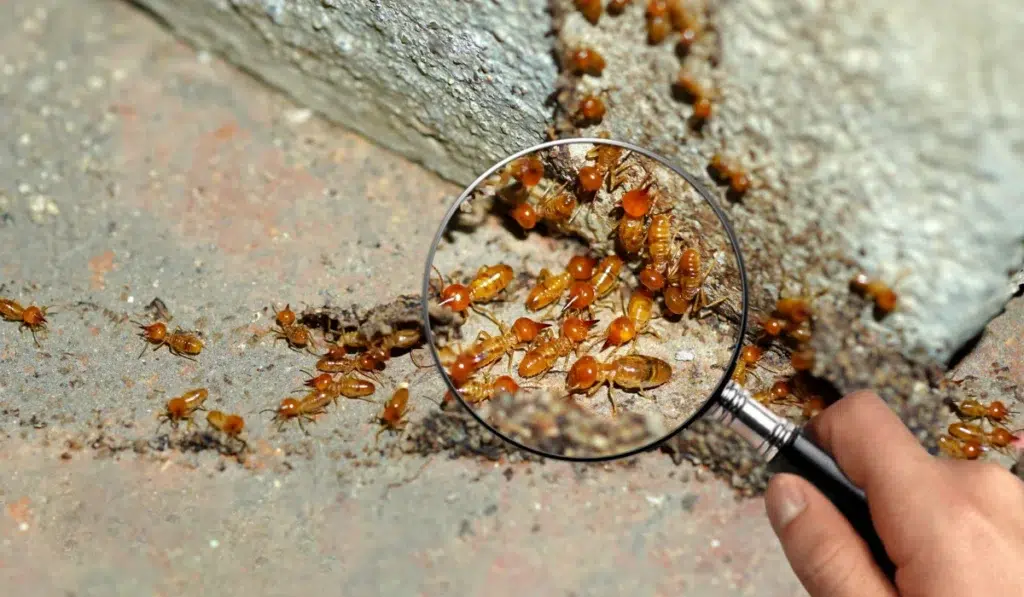
Termites in Alabama can be difficult to spot because subterranean termites spend much of their time out of sight. Homeowners are more likely to notice signs such as mud tubes, winged swarmers, discarded wings, or suspicious wood damage than the termites themselves. Knowing what those signs mean, when swarming occurs, which conditions around your property deserve attention, and how preventive termite protection works can help you respond sooner and more confidently.
What Termites Are Common in Alabama?
Magic City Pest Control’s termite program focuses on Eastern subterranean termites. These termites live in colonies associated with the soil and can travel from the ground toward wood in a structure, which is why foundations, crawl spaces, and other ground-level areas deserve close attention during an inspection.
For Alabama-specific homeowner information about termites and other structural pests, the Alabama Cooperative Extension System is a useful educational resource.
How an Eastern Subterranean Termite Colony Works
A termite colony contains several types of termites with different roles. Workers gather food and help maintain the colony, soldiers defend it, and reproductive termites leave established colonies during swarming events.
Those roles affect what you are likely to see around your house. Workers and soldiers usually remain concealed, while swarmers are much easier to notice because they have wings and may suddenly appear indoors or near windows and doors.
What Do Termites in Alabama Look Like?
Termites in Alabama can be confused with ants, especially when winged insects appear during swarming season. Worker termites are pale and have broad bodies without the pinched waist associated with ants. Soldiers have larger heads and more noticeable jaws, while swarmers have wings and are typically darker than workers.
If you find a cluster of winged insects indoors, save a sample or take a clear photo before cleaning the area. Identification from a quick glance can be difficult, and knowing whether you found termites or flying ants changes what you should do next.
Termites vs. Flying Ants
| Feature | Termite Swarmers | Flying Ants |
|---|---|---|
| Waist | Broad and fairly uniform | Narrow and pinched |
| Wings | Similar in length | Front wings larger than rear wings |
| Antennae | Straighter | Bent or elbowed |
| What You May Notice | Reproductive termites leaving a colony | Reproductive ants leaving an ant colony |
The U.S. Environmental Protection Agency also provides homeowner guidance on termite identification and control.
When Do Termites Swarm in Alabama?
Swarming is one of the most noticeable signs of termite activity. The timing varies by species, and some termite swarms in Alabama occur during spring, including from March through May.
A swarm happens when reproductive termites leave an established colony. You may see the insects themselves or find discarded wings afterward around windows, baseboards, countertops, or other indoor surfaces.
What a Termite Swarm Means
Seeing swarmers does not mean the whole colony has come out into the open. The visible insects are only the reproductive members that have left the colony, while the rest may remain concealed.
If swarmers appear indoors, note where you found them and look nearby for mud tubes, damaged wood, or piles of discarded wings. An outdoor swarm does not prove that termites are feeding on your home, but it does confirm termite activity in the surrounding area.
Signs of Termites in Alabama Homes
Eastern subterranean termites often leave evidence of their movement before homeowners see workers or soldiers. Mud tubes are among the clearest signs and may appear along foundation walls or other hard surfaces.
Other signs can include discarded wings, visible swarmers, splintering wood, and damage that resembles a moisture problem. These signs deserve a closer look, but appearance alone may not reveal exactly what caused the damage.
Common Signs and Where to Look
| Sign | What It May Indicate | Where to Look |
|---|---|---|
| Mud tubes | Subterranean termite travel between soil and wood | Foundation walls and other hard surfaces |
| Discarded wings | Recent swarming activity | Windows, baseboards, and countertops |
| Winged termites indoors | Reproductive termites emerging or entering the home | Windows, doors, and interior rooms |
| Damaged or splintering wood | Possible termite feeding or another wood-related issue | Trim, beams, and other accessible wood |
Areas Around the Home Worth Checking
Start with visible areas near the foundation, including crawl-space access points, exterior wood close to the ground, porch supports, and other locations where soil and structural materials come close together.
Pay attention to spots where water tends to collect as well. Standing water and leaks do not prove termites are present, but they are conditions worth correcting as part of routine property maintenance.
If you find a suspicious mud tube, avoid removing every trace before an inspection. Leaving some evidence in place can help a technician evaluate the location and type of activity.
Why Moisture and Wood Around the Home Deserve Attention
Termite prevention includes keeping the area around your home easier to inspect and reducing conditions that stay damp. Leaking pipes, dripping fixtures, clogged gutters, and drainage issues can all leave water near the foundation.
Dense landscaping can make regular checks more difficult, too. Keeping the foundation visible helps you notice mud tubes, moisture issues, or other changes sooner.
Wood and Yard Debris Near the Foundation
Damp or rotting wood around the property is worth addressing when practical. Fallen branches, old tree stumps, leaf piles, and other decaying wood debris can remain in contact with the soil close to the structure.
Magic City Pest Control recommends maintaining separation between the foundation and soil or mulch where possible. A visible strip along the foundation makes it easier to monitor for mud tubes, excess moisture, and other signs of termite activity.
Inside the house, repair persistent leaks and other moisture problems rather than allowing them to continue. These steps cannot guarantee that termites will never appear, but they can make the property easier to maintain and inspect.
How Professional Termite Protection Works
Professional termite protection starts with understanding the property. Magic City Pest Control’s process includes asking about crawl spaces and previous termite damage, inspecting accessible surfaces for signs of activity, and documenting conditions around the structure.
Technicians may also record bait-station locations, exterior measurements, downspouts, water sources, and other property details that can affect termite monitoring.
What Happens Before Bait Stations Are Installed
Before installation, utility lines are marked. The technician then places the termite bait stations around the structure and documents their locations for future inspections.
Magic City’s program is designed as preventive protection for Eastern subterranean termites. If you already see active termites or visible structural damage, explain what you found when you call so the company can determine the right next step for your property.
How Termite Bait Stations Work
Magic City Pest Control uses the Trelona Advanced Termite Bait System from BASF Pest Control Solutions. The stations are installed in the soil around the outside of the structure so foraging subterranean termites can encounter the bait.
Magic City’s service information identifies novaluron as the active ingredient. After worker termites consume the bait, it interferes with their ability to molt. Because workers share food within the colony, a baiting system is designed to affect more than the individual termites that first find a station.
Magic City inspects installed stations annually as part of its preventive termite program.
Why a Termite Inspection Matters
Subterranean termite activity can be difficult to understand from a single sign. A mud tube may point to a travel route, discarded wings may indicate a recent swarm, and damaged wood may have more than one possible cause.
A professional inspection brings those clues together. A technician can evaluate accessible areas, look for signs of current activity, note previous damage, and identify conditions around the property that deserve closer attention.
Why Visible Termites Do Not Tell the Whole Story
A few termites in plain sight may represent only a small part of what is happening around the structure. Workers and other colony members can remain concealed in soil, wood, or protected travel routes.
That is why treating only the insects you can see may give you an incomplete picture. If you find evidence of active termites or structural damage, proper identification and inspection are more useful than relying on a surface-level household remedy.
How to Reduce Termite-Friendly Conditions
You can make your property easier to monitor by keeping the foundation dry, visible, and well maintained. The goal is not to create a termite-proof home, but to reduce conditions that can make activity harder to notice.
Useful steps include:
- Repair leaking pipes, fixtures, and other sources of standing water.
- Keep gutters and downspouts clear so water drains away from the structure.
- Correct drainage that leaves water near the foundation.
- Trim dense landscaping so the foundation remains visible.
- Remove damp, rotting, or fallen wood near the house where practical.
- Repair damaged areas of the foundation, exterior walls, or roof.
- Address persistent indoor moisture problems in bathrooms, kitchens, and crawl spaces.
These steps support termite prevention, but they do not replace an inspection when you already have mud tubes, swarmers, discarded wings, or suspicious wood damage.
Protecting Your Alabama Home From Termites
The best way to approach termites in Alabama is to pay attention to the signs homeowners are most likely to encounter. Mud tubes, swarmers, discarded wings, and unusual wood damage can all signal that a closer inspection is warranted, while moisture control and a visible foundation make routine monitoring easier.
For homeowners looking for preventive protection against Eastern subterranean termites, Magic City Pest Control uses the Trelona Advanced Termite Bait System with annual station inspections. If you have found suspicious activity or want to discuss preventive termite coverage, you can contact Magic City Pest Control to schedule service.


