

Scratching behind a wall, droppings near stored food, or unexplained holes in food packaging can point to rodent activity inside your home. When Alabama rodents become a household concern, Magic City Pest Control focuses on rats and mice, including where they are active, how they may be getting inside, and what conditions need correction. This guide covers common entry points, signs to watch for, practical rodent prevention, and what to expect from professional rodent control in Alabama.
Which Alabama Rodents Does Magic City Pest Control Treat?
Magic City Pest Control provides control services for rats and mice. The company also lists rodents among the pests covered through its general pest control program, making rodent monitoring part of its broader approach to protecting Alabama homes.
You do not have to see a rat or mouse to have a reason to inspect your home. Rodent activity often becomes noticeable through sounds inside walls, droppings, damaged food bags, nesting material, or repeated travel paths. Those clues can help determine whether the likely source is near the roof, foundation, garage, doors, windows, or another part of the structure.
Rats in Alabama Homes
According to Magic City Pest Control’s customer guidance, rats in Alabama homes are often associated with exterior access points such as poorly sealed air-conditioning penetrations, deteriorated wood beneath raised homes, cracks and crevices, roof ridges, and openings along fascia boards.
Roof rats can also make upper portions of a home relevant during an inspection. Magic City’s service questionnaire notes that roof rats can climb trees and move along power lines to reach roofs, where vents and other exterior openings can provide access.
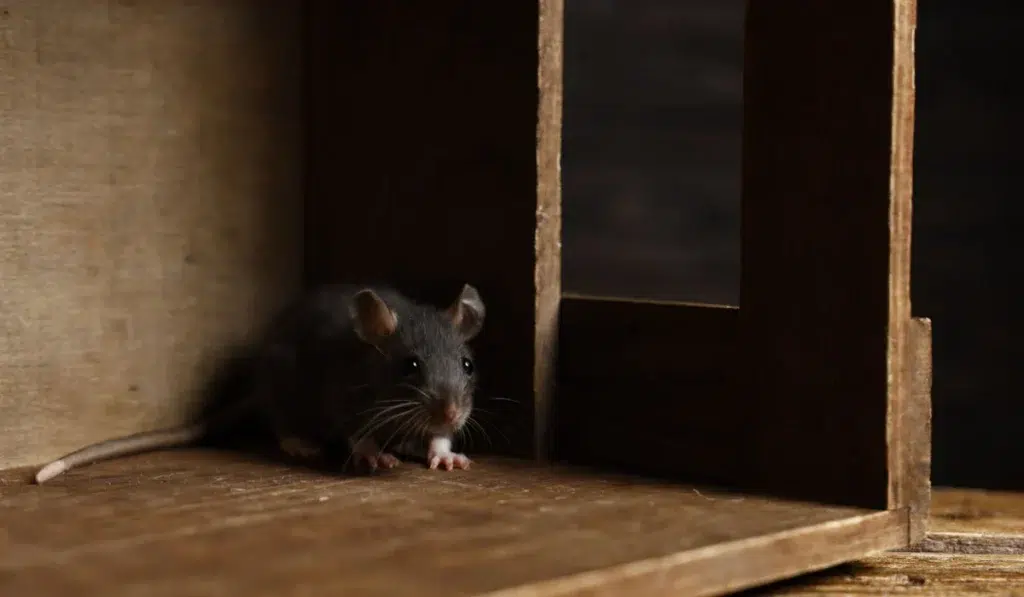
Mice in Alabama Homes
Magic City identifies garages, holes in siding, foundation cracks, and gaps around doors and windows as common mouse entry points. Its customer guidance also notes that mice may seek indoor shelter when outdoor temperatures turn colder.
Mouse activity can be easy to overlook because the animal itself may remain hidden. Instead, you might notice repeated marks along a travel path, scratching or scurrying inside walls or beneath floors, small holes in food bags, droppings, or nests made from available materials such as cardboard or fabric.
How Rats and Mice Get Into Alabama Homes
Rodent entry often comes down to access points around the structure. Magic City’s field information identifies several areas that deserve attention when rats or mice are active, including rooflines, utility penetrations, deteriorated wood, garages, siding, foundations, doors, and windows.
The location of the signs inside your home can help narrow down where to inspect outside. Scratching near upper walls may point your attention toward the roofline, while evidence around a garage or pantry may make lower-level access points more relevant.
Common Rat Entry Areas
For rats, Magic City reports seeing entry around poorly sealed air-conditioning penetrations, deteriorated wood beneath raised homes, roof ridges, fascia openings, and other cracks or crevices. Roof rats may also reach upper areas from trees or power lines before investigating vents or roof-level openings.
Because these access points can be above eye level or beneath parts of the home, a quick visual check may miss them. Upper-wall or ceiling activity is one reason to include roof vents, fascia, and nearby exterior access in the inspection.
Common Mouse Entry Areas
For mice, Magic City identifies garages, siding holes, foundation cracks, and gaps around doors and windows as common entry routes.
These areas often overlap with parts of the home that experience regular wear. Garage-door edges, exterior trim, siding, and openings around doors and windows are useful places to check when mouse signs appear indoors.
| What You Notice | Areas Worth Inspecting | Why the Area Matters |
|---|---|---|
| Scratching near upper walls or ceilings | Roofline, fascia, vents, upper exterior openings | Rats can reach elevated entry areas |
| Activity around a garage | Door edges, seals, siding, nearby wall openings | Garages are one of Magic City’s listed mouse entry routes |
| Small holes in food bags | Cabinets, pantry areas, nearby travel paths | Magic City lists damaged food bags as a sign of mouse activity |
| Droppings in the same area | Wall edges, cabinets, furniture, nearby openings | Repeated evidence can help identify a travel route |
| Nesting material | Closets, cabinets, beneath furniture | Magic City lists these as common sheltered nesting locations for mice |
An entry-point inspection matters because rodent control is not limited to dealing with the animal already inside. Magic City’s reactive service specifically includes looking for areas that need sealing, caulking, replacement, or sanitation.
Signs of a Rodent Infestation
Rodent signs become more meaningful when several appear in the same part of the home. A single unexplained sound can have several causes, but repeated scratching combined with droppings, damaged food packaging, or nesting material gives you stronger evidence that rats or mice may be active.
Looking at the pattern of evidence also helps guide an inspection. Rather than treating every clue separately, pay attention to where signs appear and whether they repeat along the same walls, cabinets, storage areas, or concealed spaces.
Scratching and Scurrying Sounds
Magic City lists scratching and scurrying in walls and beneath floorboards among the signs customers report with mice. Pay attention to where the sound seems strongest, but keep in mind that concealed spaces can make the source difficult to pinpoint without an inspection.
Droppings and Travel Signs
The company’s guidance describes mouse droppings as small and dark and notes that repeated mouse travel can leave visible runs or marks on drywall, furniture, or countertops. The location of that evidence can help identify areas where rodents are repeatedly moving.
Avoid identifying the pest solely from a dropping description. Location, surrounding evidence, and the condition of the property should all be considered together.
Damaged Food Packaging and Nesting Material
Small holes in food bags are another sign included in Magic City’s mouse guidance. The company also notes that mice can use clothing or cardboard as nesting material, with nests found in places such as closets, cabinets, and beneath furniture.
If these signs appear together, inspect the surrounding area rather than focusing only on the damaged item. Nearby wall edges, cabinets, storage spaces, and exterior access points may provide more useful evidence.
Unusual Pet Attention
Magic City also lists unusual pet behavior as a clue homeowners sometimes notice. A pet repeatedly focusing on furniture, an appliance, or another concealed space can draw attention to an area worth checking.
Pet behavior alone does not confirm rodents are present. It is more useful when it lines up with physical evidence such as droppings, noises, damaged packaging, or nesting material.
Why Rodent Activity Deserves Attention
A rat or mouse problem can extend beyond seeing an unwanted animal indoors. Rodents can reach stored food, establish nesting areas in sheltered spaces, and leave waste along travel routes. Those signs can also indicate that an exterior opening is allowing repeated access.
The goal is not to make assumptions based on a single clue. Instead, homeowners should use the evidence to identify where activity is concentrated and whether cleanup, structural corrections, or professional rodent control is needed.
Rodent Waste and Cleanup
If you find rodent waste or other contaminated material, cleanup deserves care. The Centers for Disease Control and Prevention maintains public guidance for cleaning areas where rodents have been present. Following current CDC instructions is a better approach than treating rodent waste like ordinary household dirt.
If a specific exposure raises health concerns, contact an appropriate healthcare professional rather than trying to judge health risk from the appearance of the rodent or its droppings alone.
Continued Access From Outside
If signs keep returning after cleanup, there may still be an entry route or another condition that has not been corrected. Removing evidence inside does not address the opening that allowed the rodent to enter.
Magic City’s reactive process therefore combines indoor and outdoor inspection. The company looks for areas that may need sealing, caulking, replacement, or sanitation before deciding what equipment is appropriate for the active issue.
How to Prevent Rodents in Alabama Homes
Rodent prevention is most useful when it starts outside. The goal is to make it harder for rats and mice to move from the exterior into sheltered areas of the home.
That means paying attention to the same areas Magic City identifies during rodent calls, then matching any repair to the condition you find. Food storage and cleanup inside also help make new activity easier to recognize.
Inspect Likely Entry Areas
Based on Magic City’s service information, useful inspection points include roof vents, roof ridges, fascia, air-conditioning penetrations, deteriorated wood beneath raised homes, garages, siding, foundations, doors, and windows.
The Alabama Cooperative Extension System is also a useful resource for Alabama homeowners seeking university-based information about household pests and property management.
Match the Repair to the Opening
Not every access point calls for the same correction. Magic City’s reactive inspection is designed to determine whether an area needs sealing, caulking, replacement, or sanitation.
A damaged section of wood or siding should not be treated like a simple seam around a penetration. Correcting the actual building condition helps address the route rodents are using rather than covering up the evidence they leave behind.
Reduce Accessible Food and Nesting Material
Damaged food packaging, cardboard, and fabric are all part of Magic City’s customer guidance on mouse activity. Keeping storage areas orderly makes new evidence easier to see and reduces access to loose materials once rodents get inside.
If you use retail rodent-control products, follow the product label and storage directions. The U.S. Environmental Protection Agency provides public information on using rodent-control products and bait stations, including safe handling and storage considerations.
How Magic City Pest Control Handles Alabama Rodents
Magic City separates rodent service into preventative and reactive situations. That distinction helps determine whether the goal is ongoing exterior monitoring or addressing activity that is already occurring inside.
Both approaches begin with the conditions on the property rather than assuming every rodent problem needs the same response. Evidence such as droppings, tracks, nests, indoor activity, and exterior openings helps guide placement and next steps.
Preventative Rodent Control
For preventative service, Magic City’s protocol calls for placing two rodent bait boxes on the exterior of the home. Its Bronze Plan states that two rodent bait stations are strategically placed using evidence such as droppings, tracks, or nests to help determine appropriate locations.
The company’s questionnaire also states that rodent control is included in its general pest control quarterly plan. That gives customers an option for ongoing rodent monitoring as part of a broader pest service.
Reactive Rodent Control
When a customer already has an active rodent issue, Magic City’s protocol calls for a detailed inspection of the interior and exterior. The technician determines which locations may need to be sealed, caulked, replaced, or sanitized, then places bait or other needed equipment indoors based on the current issue.
Magic City also states that it offers free re-services when customers experience continuing rodent problems.
What the Service Does Not Include
Magic City Pest Control does not provide rodent removal services, including removal when a customer smells a dead rat or other dead animal in the home.
If the problem is active rats or mice and their access into the home, Magic City’s service addresses rodent control and entry conditions. If the only need is dead-animal removal, a provider that offers that specific service is required.
When to Call for Rodent Control
Consider professional rodent control when evidence keeps returning, the source of the activity is difficult to locate, or you suspect rodents are entering through parts of the home that are difficult to inspect. Repeated droppings, ongoing scratching, damaged food bags, fresh nesting material, or signs appearing in several areas all provide useful information for an inspection.
Professional help can also be useful when you have cleaned up the obvious evidence but cannot determine how rats or mice are entering. Magic City’s reactive process is designed to connect signs inside the home with exterior conditions, then identify what may need sealing, caulking, replacement, sanitation, or other rodent-control measures.
Keep Alabama Rodents Out of Your Home
Managing Alabama rodents starts with identifying the signs, determining where rats or mice are traveling, inspecting likely exterior entry points, and correcting the conditions that allow continued access. Magic City’s service information points to rooflines, fascia, air-conditioning penetrations, deteriorated wood, garages, siding, foundations, doors, and windows as areas worth checking depending on the type and location of the activity.
If you are dealing with recurring rodent signs in Birmingham, Huntsville, Decatur, Madison, or another area served by the company, Magic City Pest Control can evaluate whether the situation calls for preventative or reactive rodent control. When you are ready to have the property assessed, you can contact Magic City Pest Control to discuss the activity you have noticed and arrange the next step.