


A few itchy bumps around your sock line may seem like a minor irritation. When flea bites on your ankles keep appearing, though, the problem may extend beyond your skin. Fleas often stay close to floors, carpets, pet bedding, furniture, and shaded outdoor areas, which puts your feet and lower legs within easy reach.
Bites alone cannot confirm that fleas are present. Mosquitoes, bed bugs, and other skin irritants can cause similar marks, and people react differently to bites. Still, repeated bites around the ankles and lower legs give you a practical place to start: inspect your pets, the rooms where they rest, and the areas of your yard they use most.
In Alabama, flea activity can move between pets, indoor living spaces, and outdoor resting spots. Treating only the bites, or only the pet, may leave much of the infestation untouched. Understanding where fleas develop and how they reach you can help you address the source instead of waiting for the next round of bites.
Why Flea Bites on Your Ankles Can Signal an Infestation
Flea bites on your ankles often occur because adult fleas are active near floor level. Carpets, area rugs, floor gaps, pet beds, and upholstered furniture can all place fleas close to your feet. When you walk through an affected room or sit beside a pet’s favorite resting place, your ankles may be the closest exposed skin.
According to Cleveland Clinic’s guidance on flea bites, these bites commonly appear on the feet, ankles, and lower legs. They may look like small, itchy red bumps, but the reaction varies from person to person. One family member may develop obvious irritation while another shows little visible response.
That difference can make a flea problem easy to overlook. If only one person in the home reacts strongly, it may seem like an isolated skin issue. The more useful question is whether the bites appear alongside other signs, such as pet scratching, dark specks in bedding, or adult fleas moving through fur or carpet.
Flea Bites Compared With Bed Bug and Mosquito Bites
Bite location can narrow the possibilities, but it cannot identify the pest by itself. Flea bites often affect the lower legs, while bed bug bites may occur on skin exposed during sleep or rest. Mosquito bites can appear on almost any uncovered area.
| Clue | Fleas | Bed Bugs | Mosquitoes |
|---|---|---|---|
| Common bite area | Ankles, feet, and lower legs | Exposed skin after sleeping or resting | Any exposed skin |
| Common setting | Carpets, pet areas, floors, and furniture | Beds, headboards, and upholstered furniture | Indoor or outdoor areas |
| Pattern | Clusters may occur | Lines or groups may occur | Often scattered |
| Does the pattern confirm the pest? | No | No | No |
Environmental evidence matters more than bite arrangement. Look for signs near pets, sleeping areas, furniture, and flooring rather than relying on the shape or number of bumps.
Seek medical care if the skin becomes increasingly painful, warm, swollen, or shows signs of infection. A severe reaction or symptoms beyond ordinary itching also deserve prompt medical attention.
The Flea Life Cycle Explains the Bigger Problem
The flea life cycle includes four stages: egg, larva, pupa, and adult. Adult fleas feed on a host, but the developing population can remain scattered throughout the environment. That is why removing a visible flea from a pet does not mean the infestation is gone.
The Centers for Disease Control and Prevention’s flea information explains that fleas are parasites that feed on blood and can bite both people and animals. Once adult fleas begin feeding and reproducing, eggs can fall into the areas where the host walks, sleeps, or rests. In a home, those areas may include pet bedding, rugs, carpet fibers, furniture gaps, and the edges of rooms.
Larvae develop away from the host in protected locations. They can remain beneath furniture, deep in carpeting, along baseboards, or in other low-light spaces where routine cleaning may not reach. Because these immature fleas stay hidden, the adult fleas you notice are only the visible part of the problem.
The pupal stage makes control more complicated. A developing flea remains protected inside a cocoon until conditions encourage the adult to emerge. Movement, warmth, and activity in the room can trigger that emergence. As a result, you may see new adult fleas after cleaning or service even though the overall infestation is declining.
This life cycle explains why a coordinated response matters. Treating a pet without cleaning the surrounding areas leaves developing fleas in place. Cleaning the home without addressing the pet can allow adult fleas to keep feeding and reproducing. In many Alabama homes, outdoor areas also need attention because pets can pick up fleas in shaded resting spots and carry them inside.
How to Confirm Fleas in Your Home, on Pets, and Outdoors
Finding the source requires more than checking one room. Start with the places your pets use most, then move outward to nearby flooring, furniture, and outdoor resting areas. The goal is to connect the bites with physical evidence of flea activity.
Check Dogs, Cats, and Pet Bedding
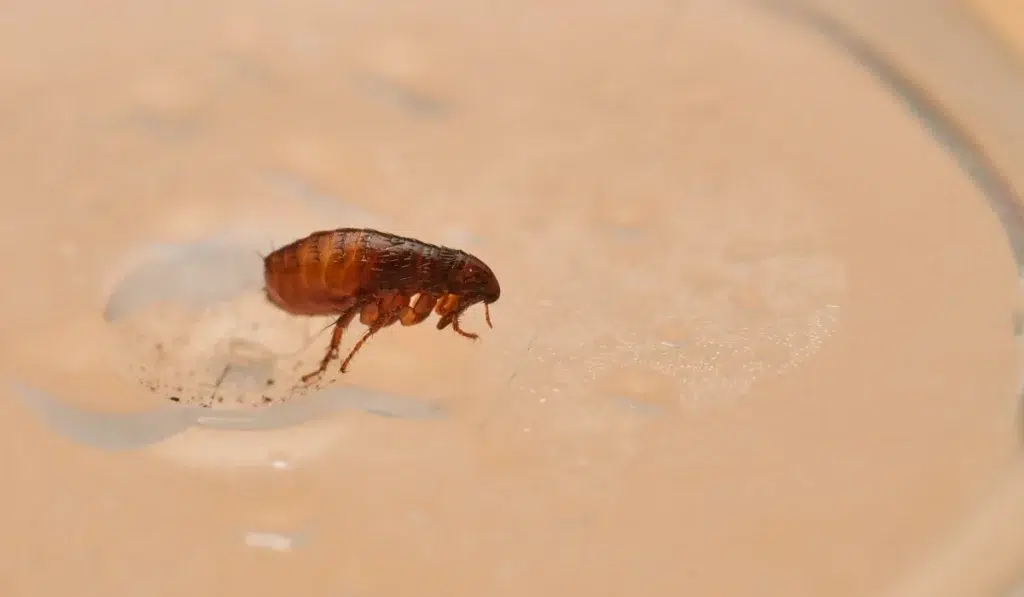
Pets with fleas may scratch, lick, chew, or groom more often than usual, especially near the tail and hindquarters. You may also notice small, fast-moving adult fleas or dark specks commonly called flea dirt. A flea comb can help separate the fur and make the skin easier to inspect.
The Companion Animal Parasite Council’s flea guidelines note that the cat flea commonly affects both cats and dogs and that flea eggs can fall from the animal into the surrounding environment. This is why pet care and home service need to support each other. Every pet in the household should receive guidance from a veterinarian, even if only one animal appears uncomfortable.
Inspect pet beds, blankets, crates, cat trees, and the floor beneath each resting area. Wash removable bedding according to its care instructions, and keep pets away from untreated areas that may continue exposing them to fleas.
Inspect Carpets, Furniture, and Floor Edges
Signs of fleas in the house are not always obvious. Check carpets, rugs, couch cushions, upholstered chairs, baseboards, closets, and the spaces beneath beds. Focus on rooms where pets sleep or where family members spend long periods sitting.
You may notice bites after entering a room that has been quiet for several days. Activity in space can encourage adult fleas to emerge from cocoons and move toward a host. This can also happen after someone moves into a previously vacant home.
A home can have fleas even without a current pet. Previous occupants, visiting animals, rodents, wildlife, or flea-bearing belongings may introduce them. Protected pupae can also remain in the environment until people begin using the room again.
Check Shaded Outdoor Areas
Outdoor flea activity often concentrates in sheltered places rather than spreading evenly across the lawn. Inspect porches, crawlspace entrances, kennels, leaf buildup, shaded soil, and areas beneath decks or shrubs. Pay close attention to spots where pets lie down or where stray animals and wildlife pass through.
These outdoor sources can keep restarting the indoor problem. A dog that rests in an affected area may carry adult fleas back into the home, even after the floors and bedding have been cleaned.
How to Stop Flea Bites and Address the Infestation
Stopping flea bites on your ankles requires a plan that covers pets, floors, fabrics, furniture, and outdoor hotspots. Each part plays a different role in the flea life cycle, so skipping one area can slow the results.
Begin with veterinary care for every pet in the household. A veterinarian can recommend an option based on the animal’s species, age, weight, and health. Never assume that a product intended for a dog is suitable for a cat, and never apply a household treatment directly to a pet unless the label clearly allows it.
Vacuum carpets, rugs, upholstered furniture, closets, floor edges, and the spaces beneath beds. Dispose of the vacuum contents outside the home. Wash pet bedding and other washable fabrics according to the manufacturer’s directions, then continue cleaning as directed during the control process.
Do not assume that seeing an adult flea after the first service means the work failed. Fleas can continue emerging from protected cocoons after the initial treatment. Ongoing vacuuming and follow-up care help remove newly emerged adults before they can continue the cycle.
Professional flea control is a practical next step when bites continue, fleas appear in several rooms, or the activity involves both the home and yard. It is also helpful when multiple pets live in the household or the source is difficult to locate.
Magic City Pest Control begins by determining whether flea activity is indoors, outdoors, or present in both areas. The service process can include inspecting likely hotspots, addressing floor-level cracks and resting areas, and coordinating the work with veterinary flea care. This approach targets the places that keep exposing people and pets instead of focusing only on the bites.
Protecting Your Alabama Home From Recurring Flea Bites
Flea bites on your ankles are a warning sign, not a complete diagnosis. The source may be a pet bed, carpeted room, upholstered chair, shaded yard area, or several connected locations. A careful inspection helps you identify where fleas are living and which parts of the property need attention.
Regular pet care, thorough vacuuming, fabric cleaning, and inspection of outdoor resting spots can reduce the conditions that support flea activity. When bites continue or fleas keep appearing, professional service can help locate hidden hotspots and coordinate indoor and outdoor control.
Magic City Pest Control serves homeowners in Birmingham, Huntsville, and surrounding Alabama communities. If flea bites on your ankles keep returning or you find signs of fleas around your home, contact Magic City Pest Control to schedule an inspection and discuss a treatment plan based on where the activity is occurring.