

Flea season in Alabama is most noticeable during warm, humid weather, but a flea problem can continue indoors after outdoor activity drops. Flea eggs, larvae, and pupae develop away from the animal host, so removing the adults you see does not necessarily remove the rest of an infestation. Knowing when activity tends to rise, where to look, and why fleas may appear after treatment can help you deal with the problem more effectively.
When Is Flea Season in Alabama?
Flea problems in Alabama are more common during warmer months because the state’s warm, humid conditions favor flea activity. For homeowners, though, the season does not function like a hard deadline. Once fleas are established inside, changing outdoor weather does not remove the immature stages already developing in the home.
Pets can also connect indoor and outdoor flea activity. A dog or cat may encounter fleas outside and then carry adult fleas into the rooms, bedding, and furniture it uses regularly. From there, the flea life cycle continues beyond what you can see on the animal.
Instead of relying on a particular month, pay attention to your pet and its surroundings. Scratching, visible fleas, flea dirt, or activity around resting areas are more useful signals that you have a current problem.
What Changes as the Weather Cools?
Cooler weather can mean less noticeable flea activity outside, but it does not guarantee that an indoor infestation is gone. Eggs, larvae, and pupae develop in the environment rather than staying on the pet, which lets an established household problem continue after outdoor conditions change.
Periods of wet weather can also coincide with changing flea activity after heavy rain in Alabama. If activity rises after a rainy stretch, look at what is happening around pets and the parts of the property they use regularly rather than assuming the weather change alone explains the problem.
| Situation | What It Means |
|---|---|
| Warm, humid weather | Flea problems are more common during warmer months |
| Pets moving between the yard and home | Adult fleas can enter the house on an animal host |
| Cooler weather outside | Indoor flea activity may continue |
| Existing indoor infestation | Immature stages can keep developing away from the pet |
Why Flea Problems Can Build During Warmer Months
Alabama’s climate supports flea activity during warmer parts of the year. If a pet picks up adult fleas, those fleas do not remain isolated to the animal. Eggs can enter the surrounding environment as the pet moves through the house.
That is why repeated activity around pet beds, carpeting, furniture, or other regular resting areas deserves attention. The visible adults are only one stage of the infestation, and removing them from the pet does not address eggs, larvae, or pupae already developing elsewhere.
The timing can also catch homeowners off guard. Fleas can get worse in late summer while several life stages are present at once, so a problem may still be active even when you expect seasonal activity to be winding down.
The Flea Life Cycle Explains Why Fleas Keep Showing Up
Fleas develop through four stages: egg, larva, pupa, and adult. According to the University of California Statewide Integrated Pest Management Program’s flea guidance, adult fleas live on animal hosts, while immature stages develop in the surrounding environment.
This is the main reason a flea infestation cannot be judged only by the adults you find on a dog or cat. The pet may be where you notice the problem, but the rest of the life cycle can be taking place around the home.
Eggs and Larvae Develop Away From the Pet
Flea eggs can fall from an animal into areas where it spends time. Larvae then develop in the surrounding environment rather than remaining on the host.
During an indoor infestation, pay particular attention to places such as:
- Pet bedding
- Carpeted rooms
- Areas beneath furniture
- Floor edges
- Upholstered furniture used by pets
Finding fleas without pets also does not rule out an established indoor problem. Flea stages already present in the environment can remain after an animal host is no longer in the home.
The Pupal Stage Can Delay What You See
After the larval stage, a flea develops inside a cocoon before becoming an adult. This stage helps explain why new adults may appear after the fleas that were initially visible have been addressed.
Magic City Pest Control advises customers that some adult fleas may still be seen for up to three weeks after treatment because pupae can remain protected inside their cocoons. As those fleas emerge, activity should decline as the treatment process continues.
A new flea sighting shortly after service therefore does not automatically mean the service failed. What matters is whether activity is decreasing over time while you follow the preparation, pet-care, and aftercare instructions provided for the treatment.
| Flea Stage | Where It Develops | Why It Matters |
|---|---|---|
| Egg | In areas used by the animal host | Eggs can fall away from the pet |
| Larva | In the surrounding environment | Larvae develop off the host |
| Pupa | Inside a cocoon | Adults can appear after initial service |
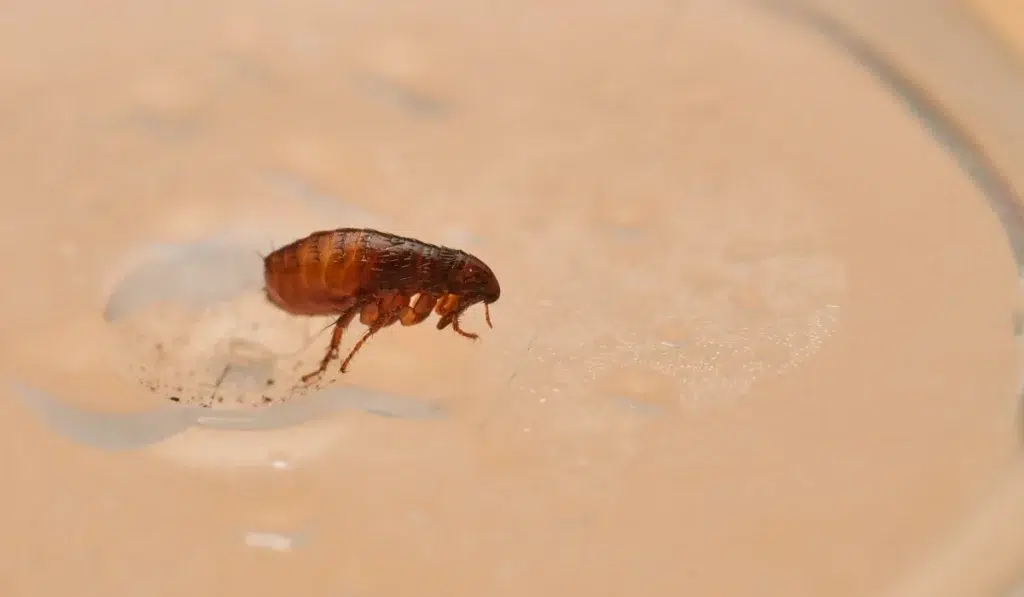
| Adult | On an animal host | This is usually the stage people notice |
Signs Fleas Have Reached Your Home
Your pet may show signs before you see an adult flea. Magic City Pest Control identifies frequent scratching, biting, or licking, especially around the tail and hindquarters, as possible signs of flea activity. You may also find live fleas moving through the fur or dark debris known as flea dirt.
People can be bitten as well. The Centers for Disease Control and Prevention’s information on fleas describes fleas as blood-feeding parasites and notes that some fleas can transmit pathogens. A household flea problem should be addressed, but a bite alone is not enough to identify the pest.
Do Not Rely on Bites Alone
Bite appearance can overlap with other pest problems, and people can react differently. If you are seeing flea bites around the ankles, look for supporting evidence on pets and in the areas where they spend time instead of relying on skin marks by themselves.
Useful signs to check together include:
- More scratching, biting, or licking than usual
- Live fleas in the fur
- Flea dirt on the animal
- Flea activity around bedding or resting areas
- Continued activity after the pet has received appropriate care
Identification matters before treatment begins. If the pest you find is attached to the skin rather than moving through fur or jumping, comparing fleas and ticks can help distinguish two problems that require different responses.
How to Reduce Flea Problems During Alabama Flea Season
Successful flea control needs to account for both the animal and the places where immature fleas are developing. Treating only the adults you can see leaves the rest of the life cycle untouched.
Magic City Pest Control’s flea preparation process reflects that. Customers are instructed to clear floors, vacuum and clean floor surfaces, wash bedding, and arrange separate flea treatment for pets.
Clean the Areas Your Pet Uses Most
Start with the places your pet returns to every day. Bedding, rugs, furniture, and nearby flooring deserve close attention because flea eggs can leave the host and enter the surrounding environment.
Before flea service, Magic City instructs customers to vacuum carpets, including areas under beds and at the bottoms of closets, and to wash and dry bedding, including pet bedding, on high heat. Vacuum contents should be removed from the home.
These cleaning steps support the treatment process. They are not a substitute for professional service when a flea infestation has become established.
Coordinate Pet Treatment With Your Veterinarian
Home treatment and pet treatment handle different parts of the same problem. Magic City’s preparation instructions call for pets to receive their own flea treatment, while the pest-control service addresses activity in the home, yard, or both.
Your veterinarian can recommend an appropriate option for your dog or cat. Household flea-control products should not be applied directly to an animal unless they are specifically intended for that use and you are following the applicable directions.
Coordinating both sides of the problem matters because an untreated pet can continue carrying fleas through areas that have already been serviced.
Follow the Aftercare Instructions
Magic City’s aftercare instructions call for continued vacuuming after flea treatment. The company specifically advises vacuuming carpets, areas beneath beds, and closet floors after service and disposing of the vacuum contents outside.
Seeing an adult flea during the first part of the follow-up period does not tell you whether the infestation is improving. Look for a reduction in activity rather than judging the result from one sighting.
If flea numbers are not falling, activity is spreading to new rooms, or the problem remains heavy, contact the company handling the service so the source and affected areas can be reassessed.
When the Yard Is Part of the Problem
Magic City Pest Control begins by determining whether flea activity is indoors, outdoors, or present in both areas. That distinction matters because treating the wrong area leaves another part of the infestation unaddressed.
For a pet that spends time outside, the yard can continue to be part of the exposure. If the home improves but the pet keeps returning with fleas, outdoor activity needs to be considered along with indoor conditions.
The reverse is also true. Treating the yard does not remove eggs, larvae, or pupae that are already developing inside. A useful flea-control plan matches the service to the places where activity is actually occurring.
Why You May Still See Fleas After Treatment
Magic City advises that adult fleas can still be observed for up to three weeks after treatment because flea pupae may remain protected inside their cocoons. Those adults can appear after the initial service even though the treatment process is already underway.
During that period, follow the cleaning and vacuuming instructions provided for your home and keep your pet’s flea care on schedule with your veterinarian. The expected direction is fewer fleas as the remaining life stages progress and are addressed.
If activity stays heavy, increases, or spreads to areas that were not previously affected, contact your pest-control provider. Persistent activity may mean the source or treatment area needs another inspection.
Stay Ahead of Flea Season in Alabama
Flea season in Alabama is most noticeable during warm, humid months, but an established indoor infestation can outlast the weather that started it. The flea life cycle is the reason: adults live on animal hosts, while eggs, larvae, and pupae develop in the surrounding environment.
The most useful response is to address the whole problem. Watch pets for signs of activity, clean the areas they use most, coordinate pet treatment with your veterinarian, and follow preparation and aftercare instructions when professional service is needed.
Magic City Pest Control helps Alabama homeowners determine whether flea activity is inside, outside, or affecting both areas. If fleas keep showing up in your home or yard, contact Magic City Pest Control to schedule service or get help identifying the next step.