

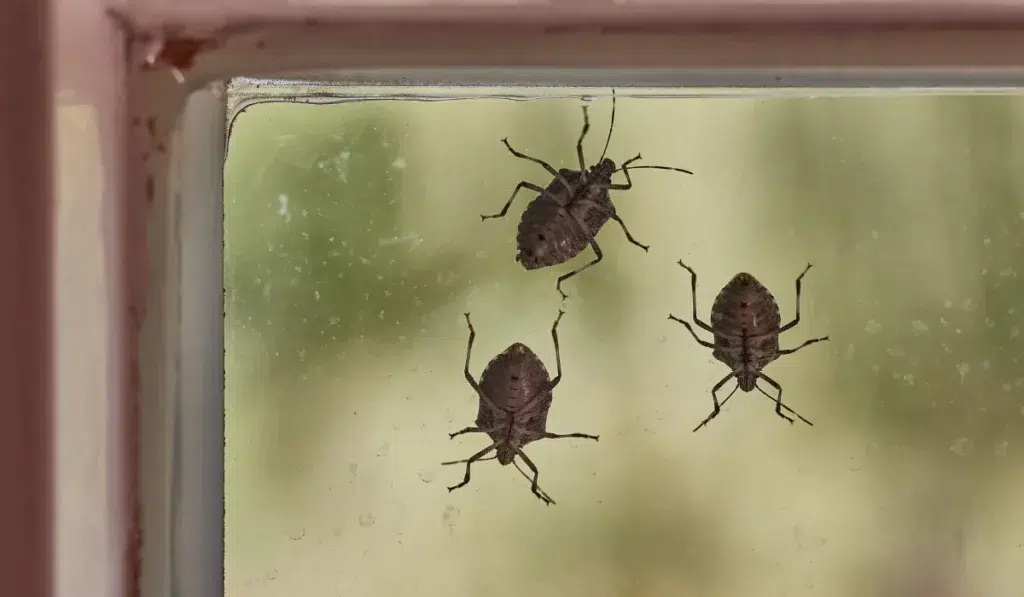
Stink bugs often seem to appear overnight on Alabama homes as summer winds down. You may notice them resting on siding, gathering around windows, or crawling near soffits and rooflines during September. This sudden activity is tied to a seasonal change in behavior, not to poor housekeeping or food inside your home.
The brown marmorated stink bug, one of the species most often associated with fall home invasions, spends the warmer months outdoors feeding on plants. As conditions begin to change, adults start searching for protected places where they can remain through colder weather. Homes offer plenty of small openings that lead to attics, wall voids, and other sheltered spaces.
The best way to address stink bugs in Alabama is to act before they get inside. Once they settle into hidden areas, removing every insect becomes difficult. Early identification, a careful exterior inspection, and timely repairs can reduce the number that enter your home during stink bug season.
Why Stink Bugs Gather on Alabama Homes in September
Stink bug season in Alabama
Brown marmorated stink bugs spend the warmer months outdoors feeding on plants. September’s cooler nights paired with warm afternoons push adults toward Alabama siding, sunny walls, and rooflines as they search for winter shelter. This is a regional pattern for Alabama, so your yard may run a little ahead or behind. Hotter cells mean heavier activity.
Stink bugs become more noticeable in September because adults begin shifting from outdoor feeding to winter shelter-seeking. They are not gathering on houses because they want to eat wood, insulation, furniture, or stored food. They are using the building as a possible route into a protected space.
This seasonal movement does not begin on the same date every year. Weather patterns, nighttime temperatures, sunlight, and local conditions can affect when activity starts. September is a common period for Alabama homeowners to notice fall stink bugs because cooler nights often arrive while afternoons remain warm.
That combination creates a staging period. Stink bugs may rest on exterior walls during the day, then move toward cracks and gaps as temperatures fall. Some stay outside temporarily, while others slip behind siding, around window frames, or into openings near the roofline.
The Penn State guide to brown marmorated stink bugs explains that adults seek protected locations during fall and may gather on buildings before entering. This behavior is part of overwintering, which allows the insects to remain sheltered until warmer conditions return.
Why Stink Bugs Cover Sunny Walls and Windows
Stink bugs often collect on exterior surfaces that receive strong afternoon sun. South-facing and west-facing walls can remain warmer later in the day as overnight temperatures begin to drop. That warmth can make certain sides of a home more active than others.
This pattern explains why one wall may have dozens of insects while another side of the same home has very little activity. Surface temperature, sun exposure, nearby vegetation, and access to small openings all influence where stink bugs gather.
Windows are another common hotspot. Frames, trim, siding joints, and damaged screens can provide narrow openings that lead to protected spaces. Stink bugs may remain visible on the glass or surrounding wall while searching for a route inside.
Activity around upper windows, soffits, and roof edges deserves close attention. Many homeowners inspect doors and ground-level windows but overlook openings higher on the structure. Those gaps may lead directly into attics and wall voids where the insects can remain hidden for months.
How to Identify the Brown Marmorated Stink Bug
The brown marmorated stink bug is scientifically known as Halyomorpha halys. Adults have a broad, shield-shaped body with mottled brown coloring that helps them blend into bark, siding, and other outdoor surfaces.
Several markings help distinguish this species from similar insects. The antennae have alternating light and dark bands, and the exposed edges of the abdomen show contrasting markings. The overall appearance is marbled rather than a single solid shade of brown.
The Penn State provides identification and seasonal behavior information for the brown marmorated stink bug. Its guidance is useful when comparing this species with other insects that may gather on Alabama homes.
Similar Insects You May See
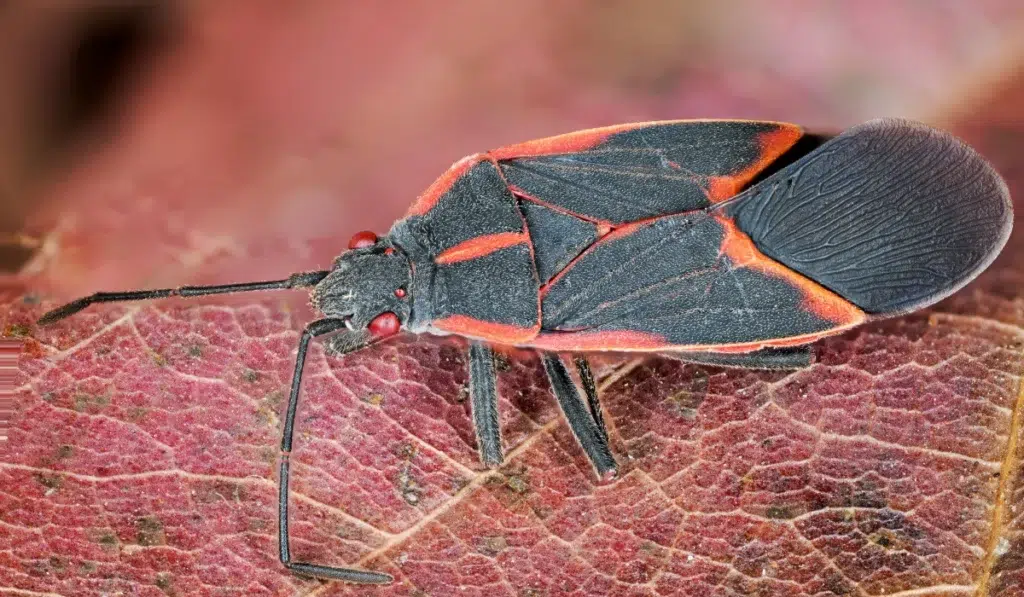
Not every shield-shaped insect on your siding is a brown marmorated stink bug. Kudzu bugs, leaf-footed bugs, and native stink bug species can look similar from a distance, but their body shape and markings differ.
| Insect | Main Identification Clue | Common Behavior Around Homes |
|---|---|---|
| Brown marmorated stink bug | Mottled brown, shield-shaped body with banded antennae | Gathers on buildings and enters gaps for winter shelter |
| Kudzu bug | Smaller, rounded body | May collect on light-colored exterior surfaces |
| Leaf-footed bug | Longer body with widened sections on the hind legs | Often associated with gardens and outdoor plants |
| Native stink bug | Shield-shaped body with species-specific coloring | Usually remains outdoors near plants |
Accurate identification matters because each insect has different habits. A pest that feeds in the garden may not be trying to enter your home, while a true fall invader may continue searching for openings until colder weather settles in.
Do Stink Bugs Damage Alabama Homes?
Stink bugs can become a persistent indoor nuisance, but they do not eat structural wood, clothing, furniture, or insulation. They do not chew through walls or build social nests in attics. Their presence indoors is related to shelter rather than structural damage.
The smell is usually the main concern. Stink bugs can release a noticeable odor when they are disturbed, handled roughly, or crushed. This defense helps discourage predators outdoors, but it can make indoor removal unpleasant.
Repeated sightings can also make homeowners think the insects are breeding inside. Brown marmorated stink bugs generally enter structures to overwinter rather than to establish an indoor population. They may remain hidden for long periods, then become active when sunlight or indoor heat warms the space around them.
That is why a stink bug may suddenly appear near a window in the middle of winter. The insect may have entered weeks earlier and moved into the room after becoming active inside a wall void, attic, or window frame.
How Stink Bugs Get Inside
Stink bugs do not need a large opening to enter a home. They can move through narrow gaps around windows, door frames, damaged screens, loose siding, and worn weather stripping.
They may also enter around soffits, fascia, attic vents, foundation vents, chimney flashing, and utility penetrations. Openings where pipes, cables, or exterior fixtures pass through a wall are easy to miss during a quick inspection.
Hidden Openings Near the Roofline
Upper exterior areas deserve close attention because they often connect to sheltered spaces. Gaps behind fascia boards, loose soffit panels, unscreened vents, and roof transitions can allow stink bugs into attics or wall cavities.
A home may look tightly sealed from ground level while still having several openings above the first floor. Binoculars can help you spot visible gaps, damaged materials, or clusters of insects around hard-to-reach areas. Leave repairs near the roof to a qualified professional when access is unsafe.
Gaps Around Doors and Windows
Check door sweeps for daylight, cracks, or worn edges. Inspect caulk around window trim, door frames, and utility openings. Torn screens should be repaired before fall activity increases.
Sliding doors and garage entrances often have several moving parts where gaps can develop. Pay attention to bottom corners, tracks, and seals. A small opening can become a regular entry route when many stink bugs are searching for shelter at the same time.
How to Keep Stink Bugs Out Before Fall
The most effective time to prevent a stink bug infestation is before the insects move into concealed spaces. Once they settle behind siding or inside wall voids, reaching every hidden bug becomes difficult.
Inspect and Seal Exterior Openings
Walk around the home and look for cracks near windows, doors, siding, vents, and utility lines. Seal appropriate gaps with materials suited to the surface, replace damaged weather stripping, and make sure exterior doors close tightly.
Repair torn screens and add screening to vents where building codes and airflow requirements allow. Loose siding, cracked trim, and gaps around pipes should be corrected before stink bugs in September become a regular problem.
The EPA guidance on brown marmorated stink bugs identifies physical exclusion as a main part of prevention. Sealing entry points addresses the route the insects use instead of focusing only on bugs already visible outside.
Check the Upper Exterior
An inspection should not stop at eye level. Look at soffits, fascia, attic vents, upper siding joints, roof transitions, and areas around chimneys. These locations are easy to overlook and may connect directly to protected areas inside the home.
When stink bugs repeatedly gather on one wall or near a particular window, study that area closely. The gathering point may be near the opening they are using. Repairing one active route can reduce the number that appear indoors later.
Focus on Access, Not General Cleanliness
Stink bugs gather on houses because they are looking for winter shelter. A clean kitchen or tidy yard will not stop them if the building has accessible gaps.
Outdoor plants may affect where the insects are active because brown marmorated stink bugs feed on plants during warmer months. For the home itself, though, exclusion is the main priority. A well-maintained yard cannot compensate for an open vent, damaged screen, or loose section of siding.
What to Do When Stink Bugs Are Already Indoors
When you find one or two stink bugs inside, avoid crushing them. Place a container over the insect, slide a piece of stiff paper underneath, and carry it outside.
A vacuum can also remove indoor bugs, especially when several appear near a window. The odor may remain in the vacuum afterward, so emptying the collection container promptly can help limit the smell.
Repeated indoor sightings suggest that stink bugs may already be hiding in wall voids, attics, or other concealed spaces. Removing visible insects handles the immediate nuisance, but it does not close the opening they used.
Broad indoor treatment alone does not correct an exterior entry problem. The better next step is to inspect the building envelope and determine where the insects are getting inside. Professional help may be useful when activity continues, entry points are near the roofline, or large numbers keep appearing in occupied rooms.
Protecting Your Alabama Home Before Stink Bug Season
Stink bugs show up on Alabama homes every September because adults begin searching for protected winter shelter as seasonal conditions change. Sunny walls give them a place to gather, while gaps around siding, windows, doors, vents, and rooflines provide routes indoors.
Early exclusion offers the best defense. Seal openings, repair screens, replace worn door sweeps, and inspect upper exterior areas before stink bugs settle into hidden spaces. If they continue appearing, Magic City Pest Control can help identify the insect and inspect likely entry points. To schedule service or ask about recurring stink bug activity, contact Magic City Pest Control before the problem follows you into colder weather.